

Michaelmas, or the Feast of St. Michael the Archangel, is the 29th of September. It is celebrated on this day because in the 5th Century a church was dedicated to St. Michael on (or around) the 29th of September.
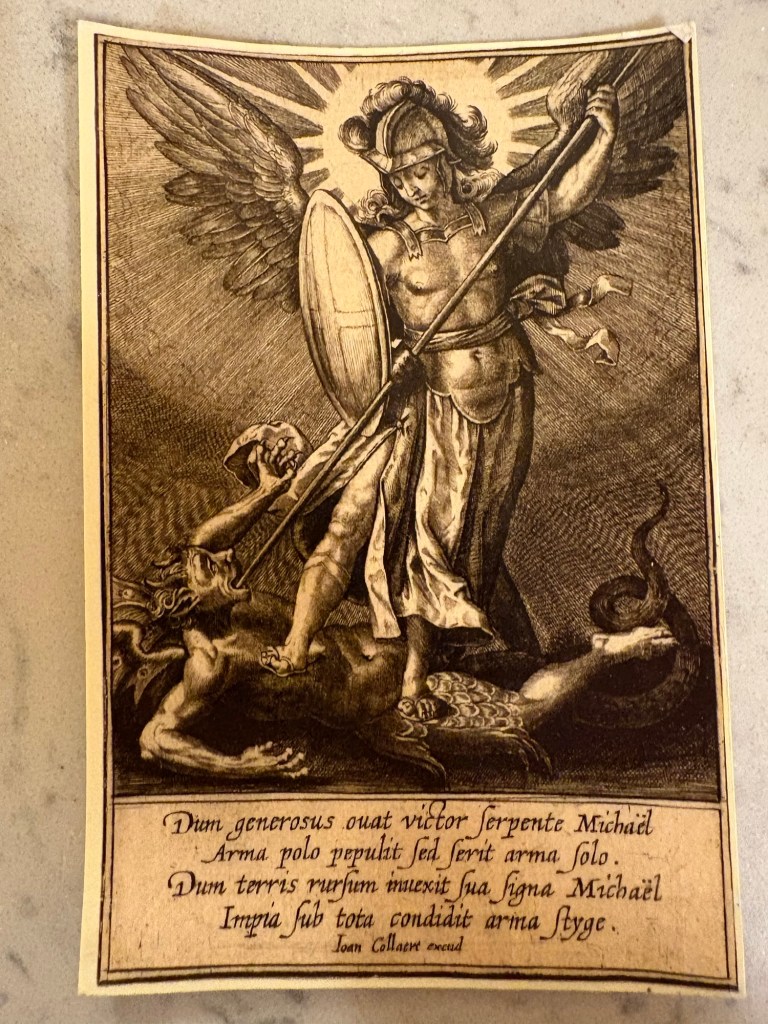
Because this falls near the Autmnal Equinox (Sept 21) and marks the beginning of the dark days of the year, it became associated with then end of the harvest season and was one of the quarter days marking the quarters of the year in Western Europe throughout the Middle Ages. It was even a holy day of obligation into the 18th
It is currently making a comeback in online and local Catholic practices.
In the old calendar St. Gabriel’s day was March 24 (the day before the Annunciation, or Lady Day) and St. Raphael’s day was October 24, though this wasn’t added until the 20th Century. Since the 1969 calendar, all three share a feast on Sept 29.
St. Francis of Assisi had a great devotion to the angels, and he would pray and fast for 40 days leading up to St. Michael’s day, in a practice known as St. Michael’s Lent. This is also currently undergoing something of a revival in Catholic circles, thanks mainly to the Exodus 90 program. Ryan has been practicing this annually for a few years now.
For those not doing St. Michael’s lent, Michaelmas still followed hard on the fall Ember days (16, 17, and 19 of September) and also in part because of its association with harvest, became a major celebration (a.k.a. excuse to feast) in Western Europe.
Traditional foods on Michaelmas reflect the earthy reality of Catholicism in Europe. In the English speaking world (England, Ireland, Scotland, Wales and Cornwall) there was a legend that St. Michael kicked Lucifer out of heaven on St. Michael’s Day, and when he fell to earth he landed in a blackberry patch. In his petulant rage he spat on the berries (other versions have him trampling them or pissing on them) and so Catholics ate them for St. Michael’s day, and did not pick them after Michaelmas.
Goose is another traditional St. Michael’s day food, possibly because geese can be pastured in the newly reaped fields where they will glean every last little left-behind kernel of grain, and so fatten themselves while fertilizing the field. Then they could be slaughtered with all that glorious fat still on them. Often, geese were a fall quarter rent that tenants would pay to landlords or the local squire.
We did not raise any geese this year (maybe next year) but we did prep with some serious blackberrying.
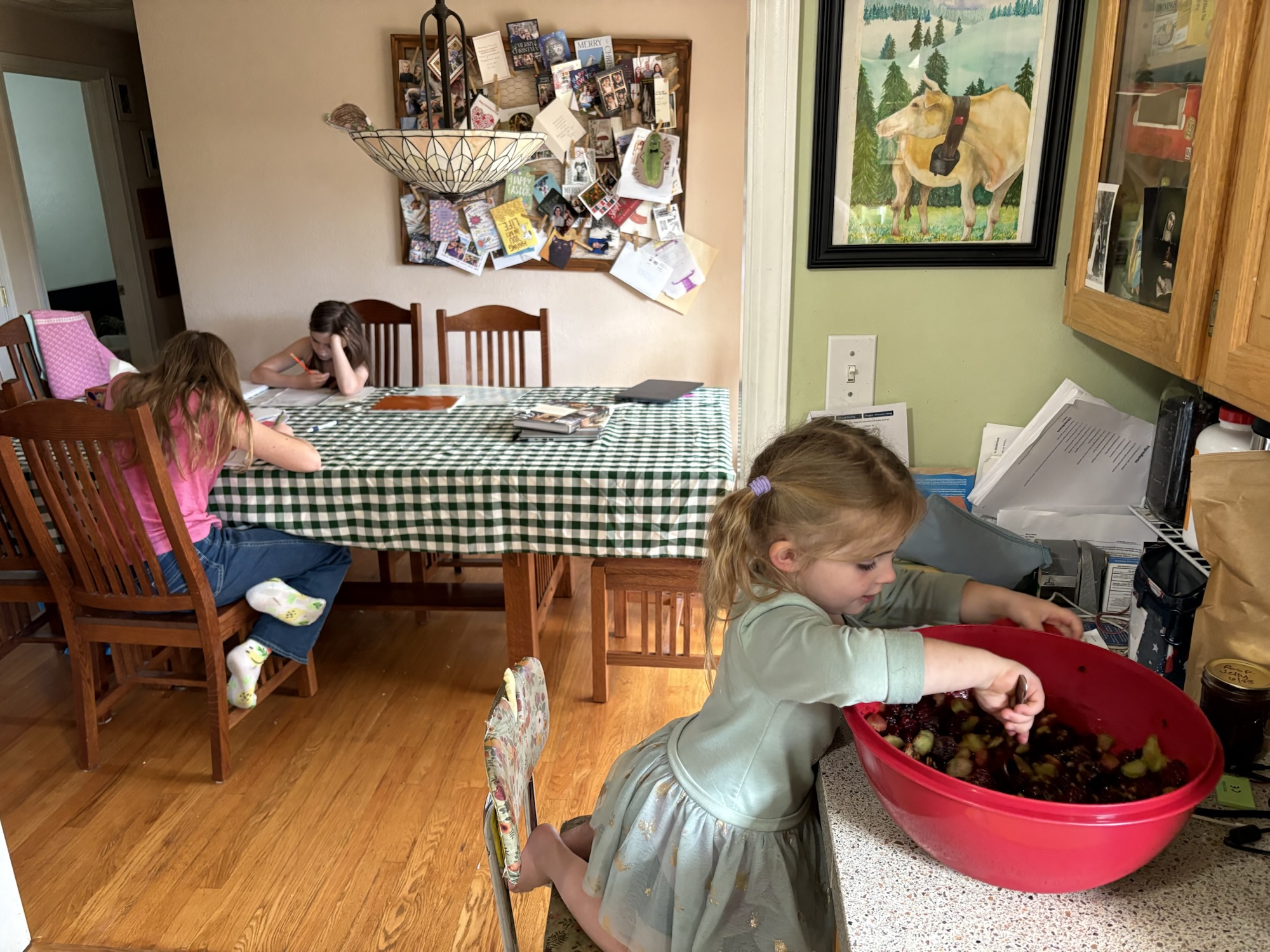
Winnie mixing up blackberries and rhubarb for a crumble. 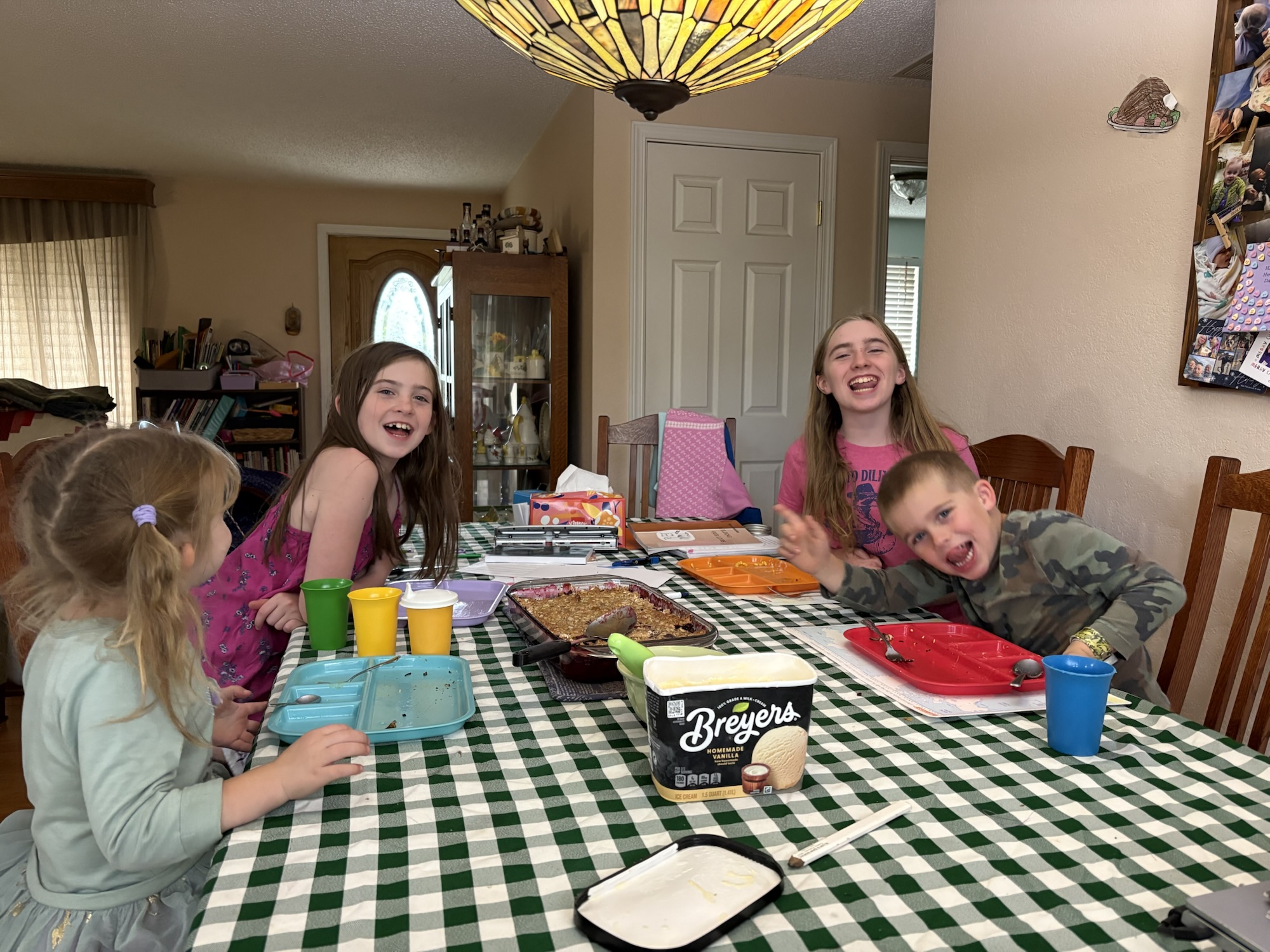
Which we had for supper with vanilla ice cream. 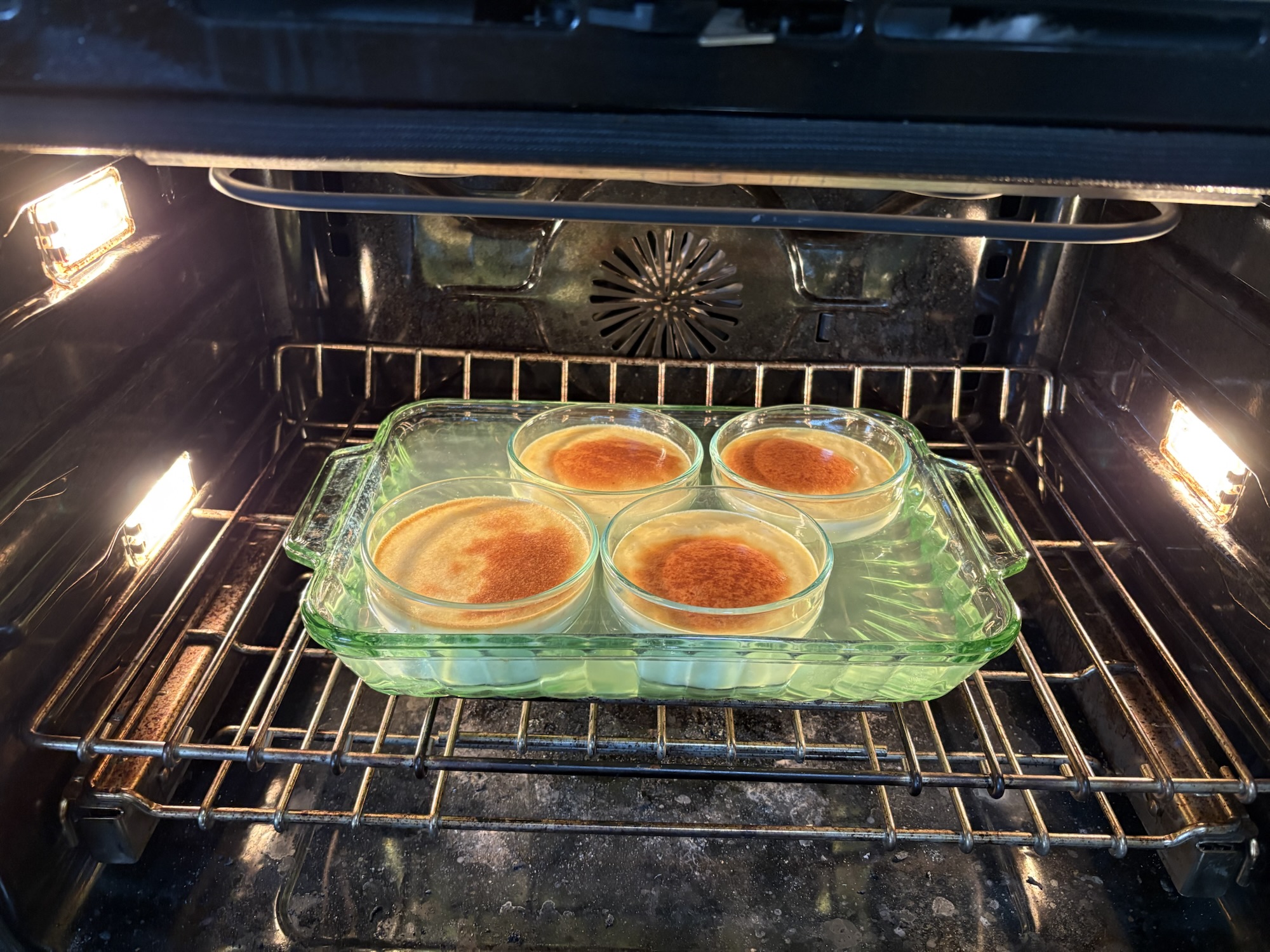
Mommy was at work so we made her some custard. 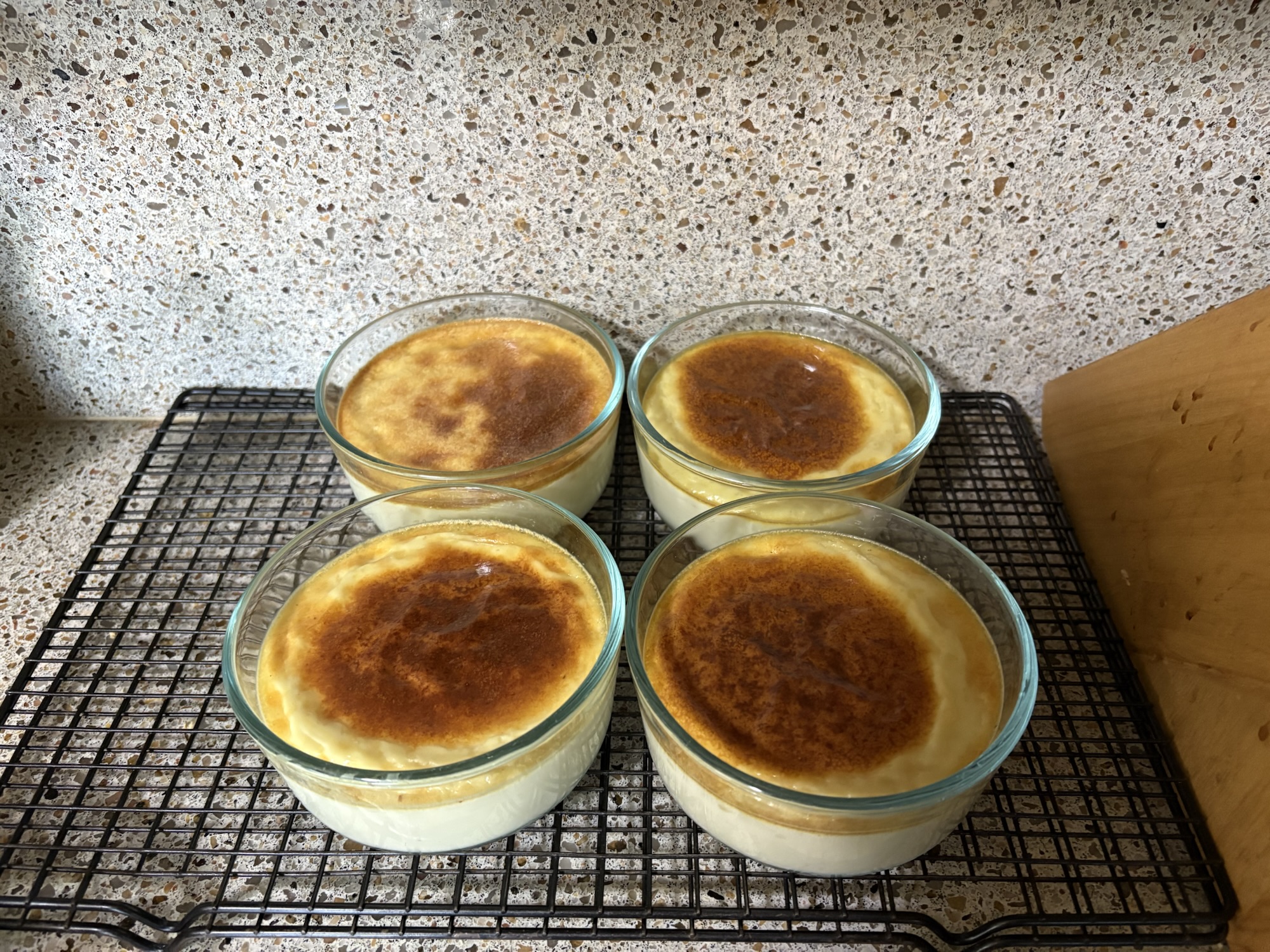
This is not a traditional Michaelmas food (yet) but we can always top it with spiced blackberry syrup. 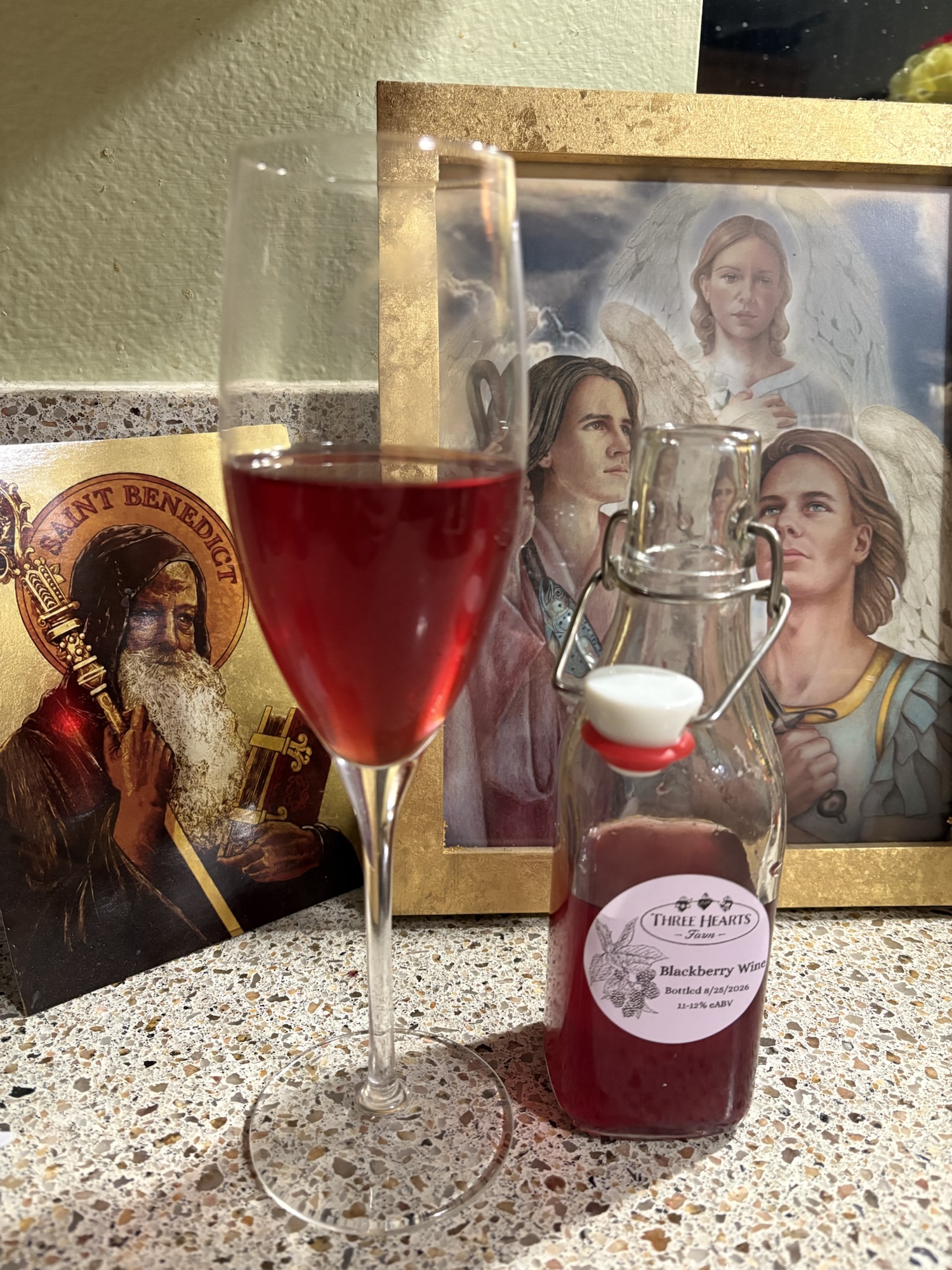
To close out the day, some of this year’s blackberry wine.
We are all for keeping the momentum going on this practice in the next few years.


1 thought on “Michaelmas”