

From a talk given at a confirmation retreat a few weeks ago. I have been trying to write it out ever since, but haven’t been able to get to it until today. I suppose, since yesterday was Good Shepherd Sunday, that is quite fitting.
10 “Truly, truly, I say to you, he who does not enter the sheepfold by the door but climbs in by another way, that man is a thief and a robber; 2 but he who enters by the door is the shepherd of the sheep. 3 To him the gatekeeper opens; the sheep hear his voice, and he calls his own sheep by name and leads them out. 4 When he has brought out all his own, he goes before them, and the sheep follow him, for they know his voice. 5 A stranger they will not follow, but they will flee from him, for they do not know the voice of strangers.” 6 This figure Jesus used with them, but they did not understand what he was saying to them.
7 So Jesus again said to them, “Truly, truly, I say to you, I am the door of the sheep. 8 All who came before me are thieves and robbers; but the sheep did not heed them. 9 I am the door; if any one enters by me, he will be saved, and will go in and out and find pasture. 10 The thief comes only to steal and kill and destroy; I came that they may have life, and have it abundantly. 11 I am the good shepherd. The good shepherd lays down his life for the sheep. 12 He who is a hireling and not a shepherd, whose own the sheep are not, sees the wolf coming and leaves the sheep and flees; and the wolf snatches them and scatters them. 13 He flees because he is a hireling and cares nothing for the sheep. 14 I am the good shepherd; I know my own and my own know me, 15 as the Father knows me and I know the Father; and I lay down my life for the sheep.
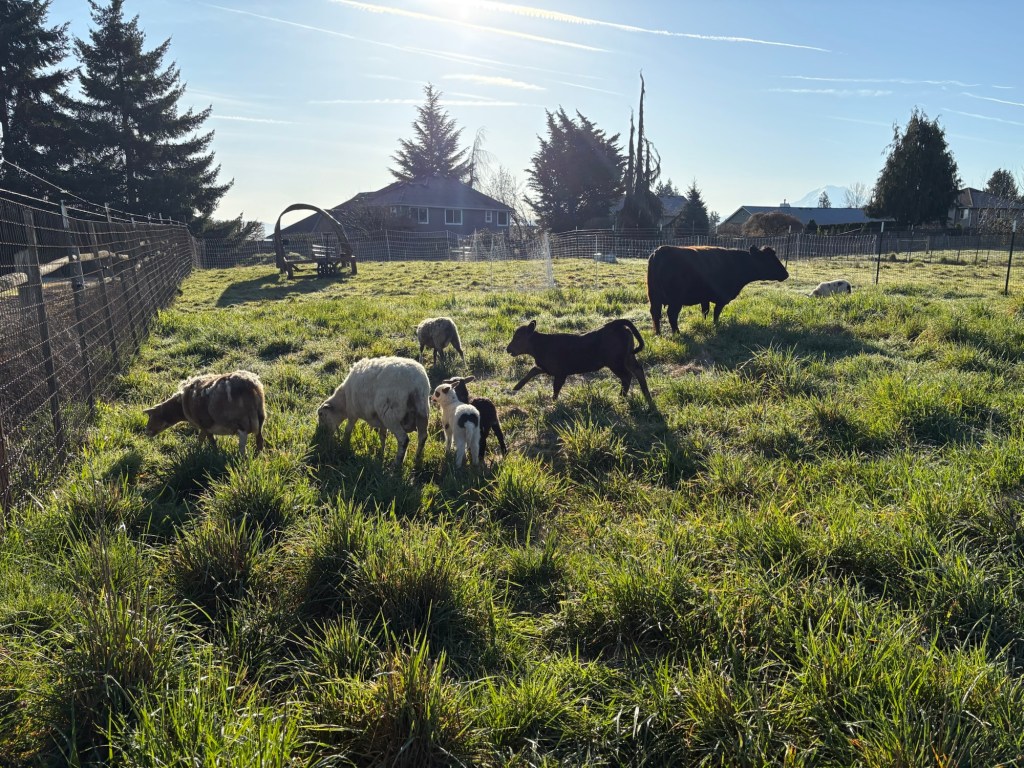
As a general rule, if you ever want to understand one of the parables of Jesus, do the thing that the parable is about. So, if you want to understand His parable about the leaven in the dough, bake some bread. If you want to understand His parables about vine and the branches, grow a grapevine for a few years.
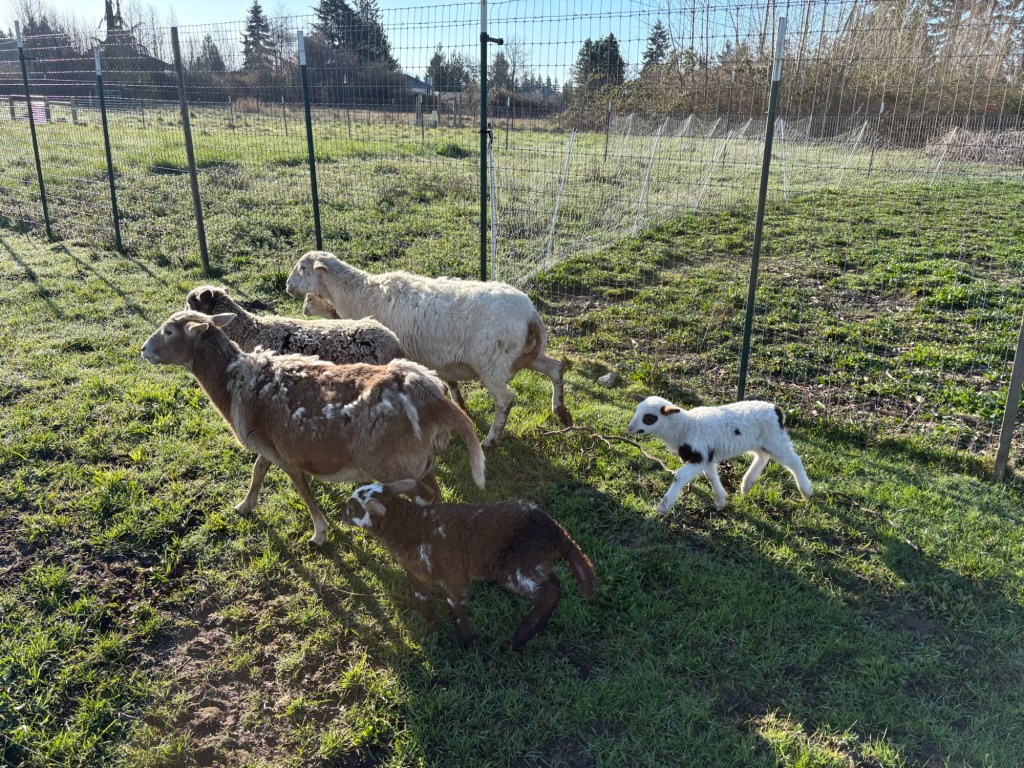
And if you want to understand His parables about sheep, go home and start raising sheep. It’s okay. Tell your parents I said it was cool.
If you do this you will soon begin to understand why Jesus used this metaphor. It was not a compliment to us.
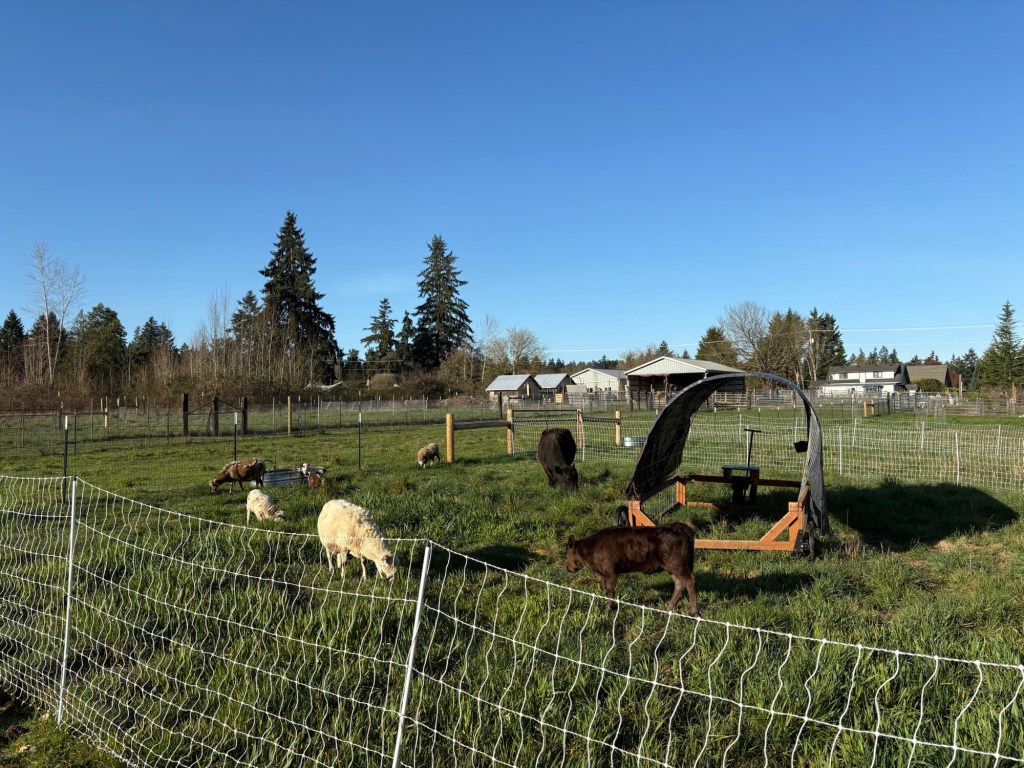
Sheep are weak. They are absolutely defenseless. You may think of a wild fellow like this:

And say, “Surely, you could defend yourself with those big ol’ horns!”
And he would reply, “These horns are for butting the bros, and wowing the ladies.

They have nothing to do with wolves.”

“And don’t call me shirley.”
Even wild sheep don’t fight predators. They run from them as fast as they can, and they leave the slow ones behind to get torn apart and eaten. A flock of domestic sheep doesn’t stand a chance against even as relatively inconsequential a predator as a coyote. That’s why, right now, we are bringing our sheep into the barn every night. There are coyotes about in the area, and we don’t want to lose any lambs to the coyotes.
In Jesus’s day, shepherds would often move their sheep into a big, communal sheepfold at night. This would often be a hedge of thorns, or a fence of some kind in the open. The shepherds would bring their sheep to the fold at evening, and they would mingle overnight, while the shepherds would lie down to sleep in the entryway to prevent the sheep from leaving… or anything else from entering. This is why Jesus refers to Himself as “the door of the sheep.”
In a spiritual sense, we are as helpless and as weak as sheep. Some Christians these days talk a lot about “spiritual warfare,” in ways that are frankly silly. Human souls are puny weaklings, not even in the same category as a demon. For a human to speak about going toe to toe with the devil is simply stupid. That’s like a mouse going toe-to-toe with a lion.
We do engage in spiritual warfare, primarily by remaining close to our Shepherd. Jesus does call some select members of His flock to engage directly in fighting the devil, but this is not because of the strength or resolves of these individuals. It is simply and solely because of the power of Jesus.
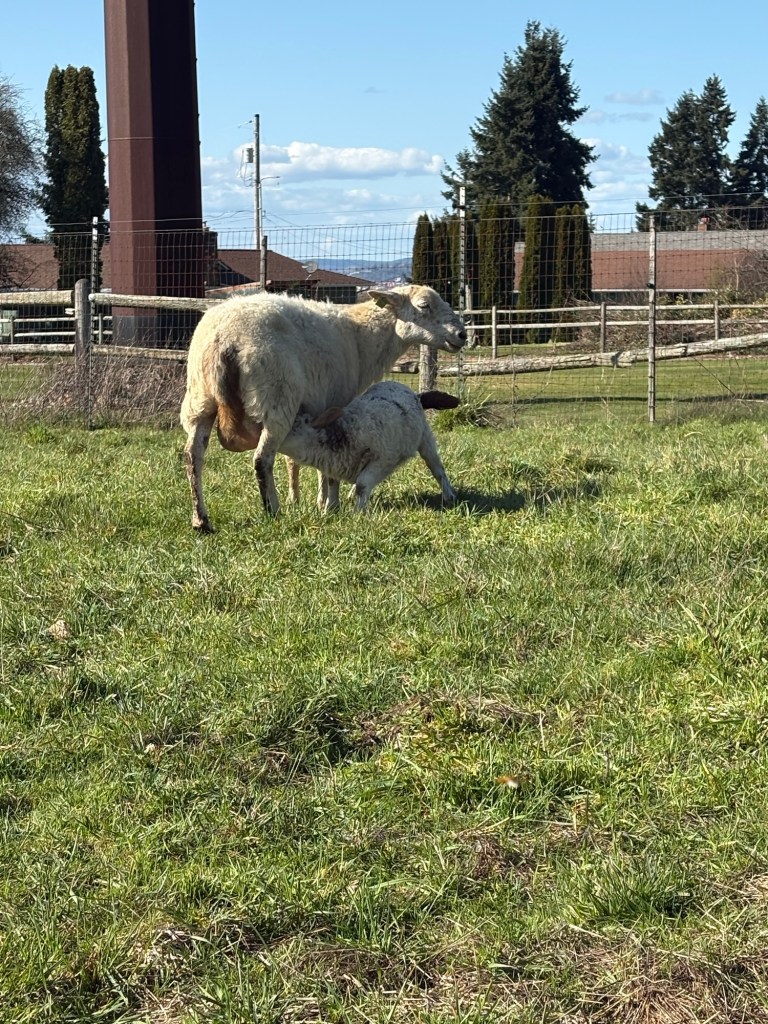
Sheep are also short sighted. Especially these two.
Edna is blind as a bat in the dark, and Cookie is not much better. It does not even have to be really dark. As soon as the sun goes down, or in the gray, rainy half dusk that dominates what passes for morning and evening nine months out of the year here, she is absolutely helpless. She walks right into fences because she can’t seem them until they are smacking her in the face.
Moving them at night, which is 90% of the year because of having to do chores at 4:30 in the morning, is not fun, because she can get lost in a straight laneway.
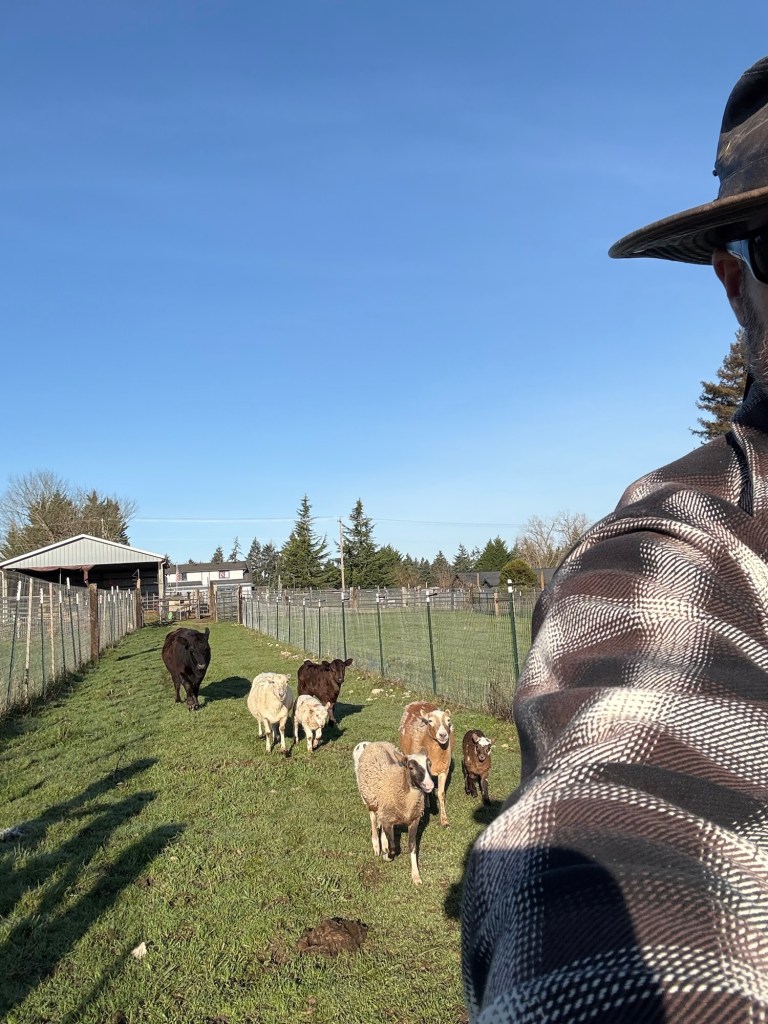
Moving the sheep is as much a matter of voice as it is of sight. When I show up in the morning and call out “Here, Sheepie-sheep! Here Moo Cows!” (What?! I have kids, it’s just how we talk to the critters around here.) They prick up their ears and move to the sound of my voice, because they know that it is the sound of tasty garden snacks, alfalfa pellets and fresh green paddocks.
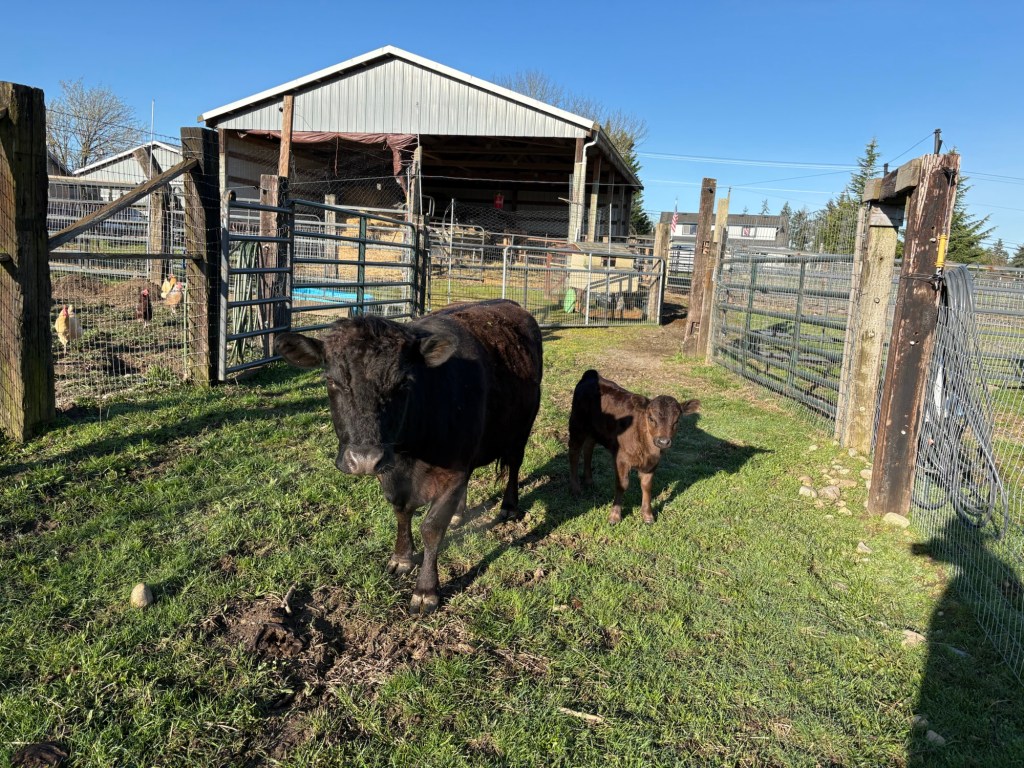
Even this dour lassie comes to the sound of snacks.
In a similar way we need to hear the sound of Jesus’ voice every day, at least morning and evening. Just like the sheep need to hear a human voice every day, twice a day so they learn to trust the humans, we need to make time to listen to Jesus, every day, morning and evening. Then, while we are going about our business, no matter what we are doing, we need to keep one ear open for the sound of His call in our lives. We never know when He might come with snacks, or to move us from one place to another for some reason known only to Himself.
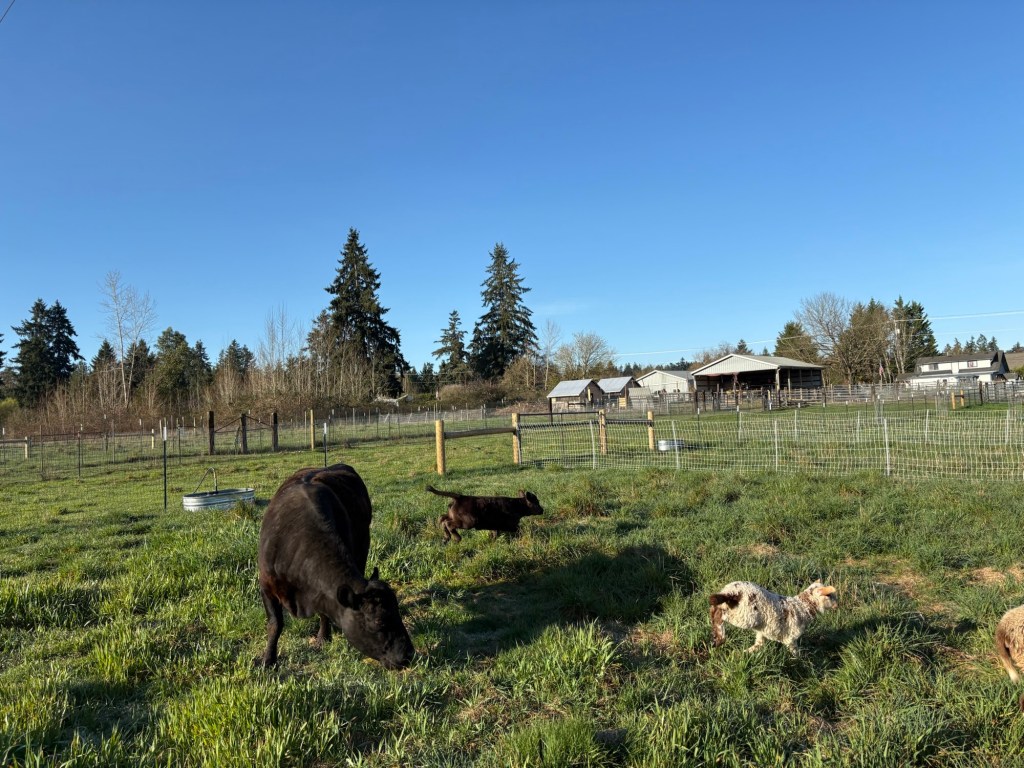
Which brings me to my third point.
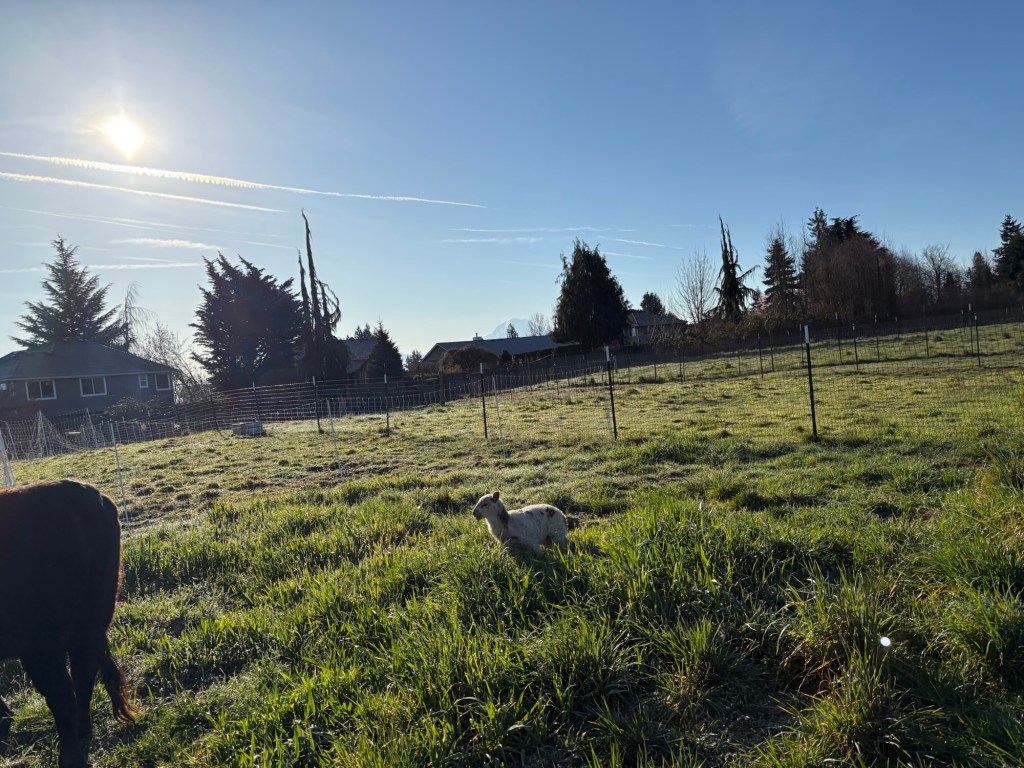
Sheep are also dumb. That does not mean they are stupid.
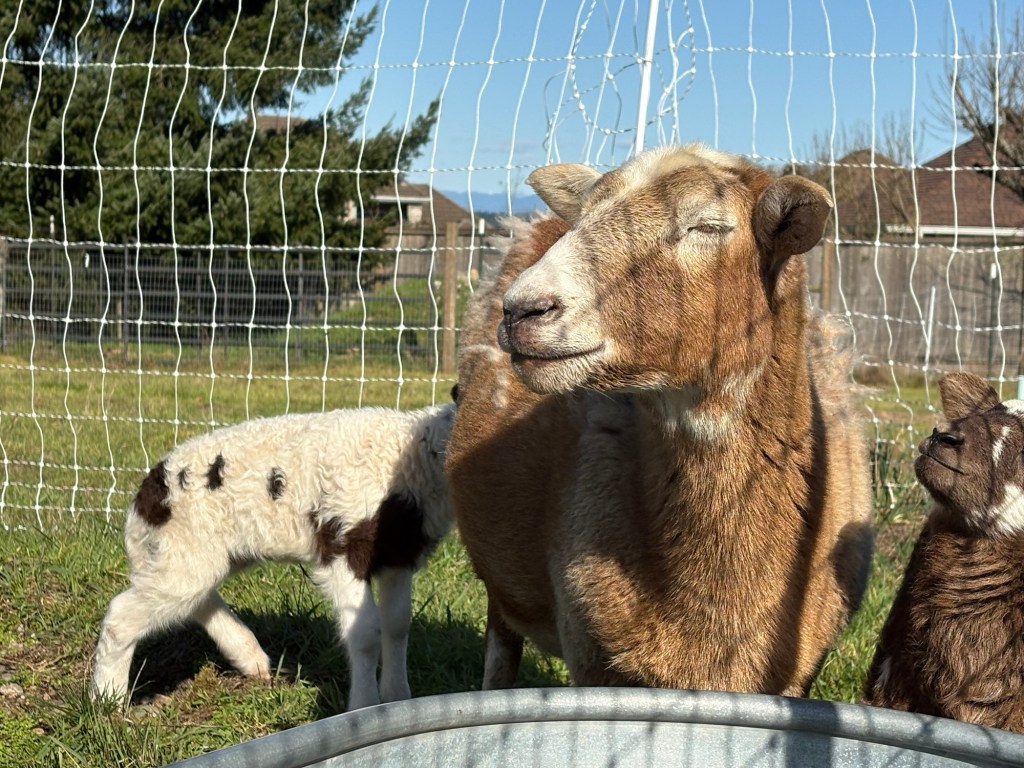
They may not know how to human, but they are very good at sheeping. They know very well how to find food, how to taste the plants and determine whether they are good or bad. They know how to eat the food they like, and turn their noses up at stuff they don’t like. They know how to make baby sheep and keep them alive to become grown-up sheep. Really this is all they can be expected to know.
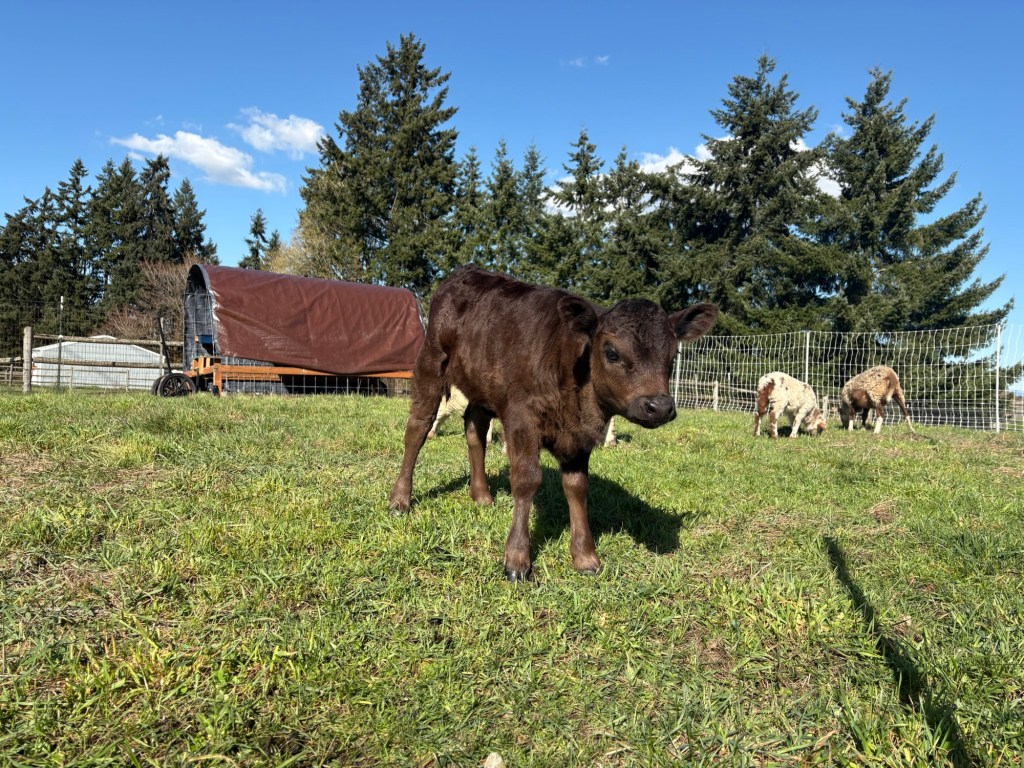
You cannot expect them to know how to optimize their grazing patterns for total pasture productivity. That is not a sheep’s job. That is the human’s job. So, if you leave the sheep alone with the whole pasture to roam around in, they will roam around the whole pasture, searching out their favorite foods, and eating them into the ground, without giving them a chance to recover. Meanwhile, the non-tasty plants will grow up, becoming tougher and yuckier, and then putting out seeds that will find bare soil to receive them because the grass has been stripped away.
Sheep left in one place will absolutely ruin that pasture in a single season. In nature the role of moving the sheep daily falls to predators.
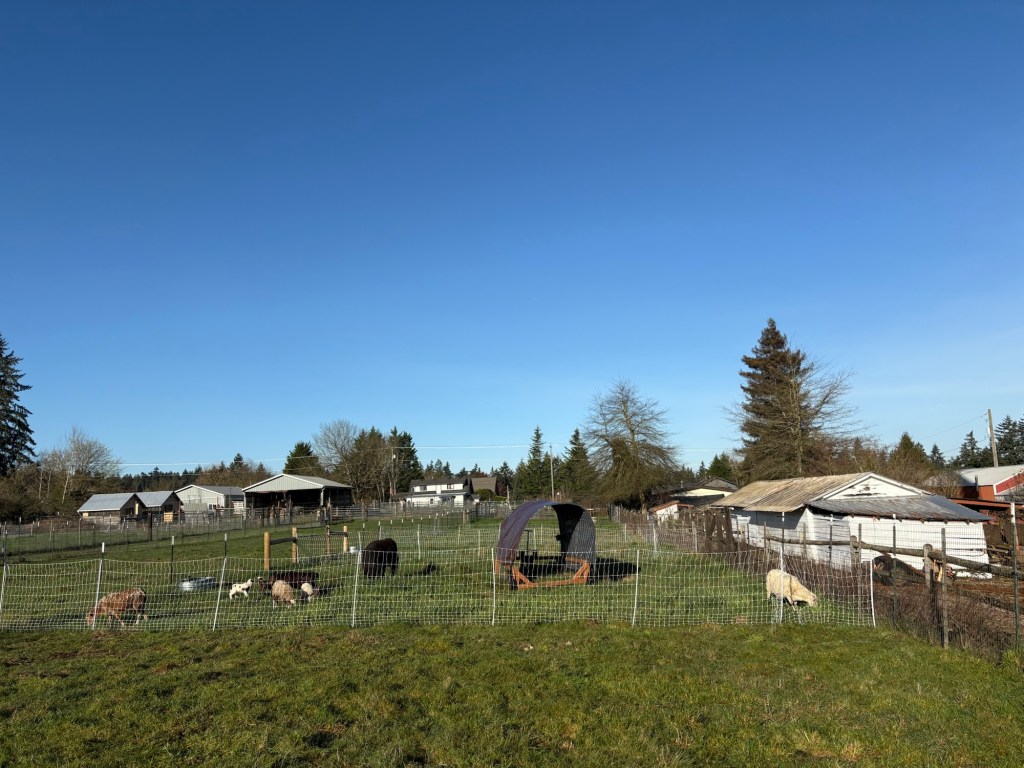
In modern life, we keep the predators out with electric netting and hard fences, and the job of moving the sheep, so that they graze enough to stimulate, but not enough to suppress pasture growth, falls on the humans. The sheep don’t understand any of it. They have no idea why they aren’t allowed to eat that morsel of grass over there. They just know they get shocked on the nose if they try.
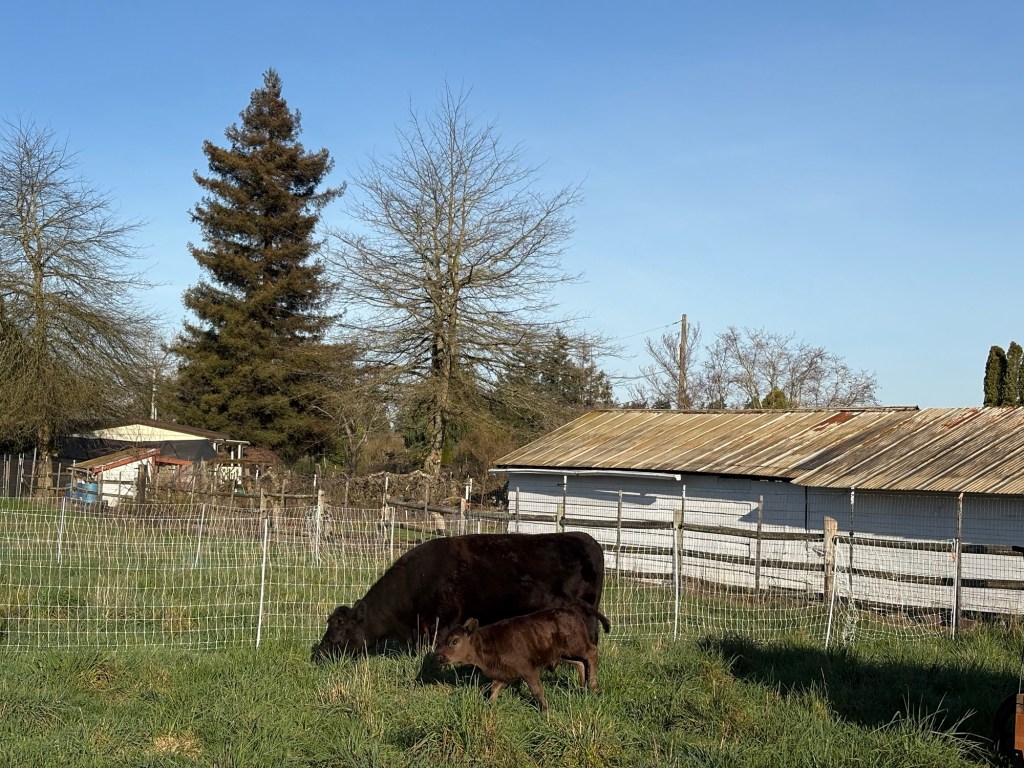
In a similar way, we know well enough how to be human (most of the time) but we don’t know how to be God. Only God does.
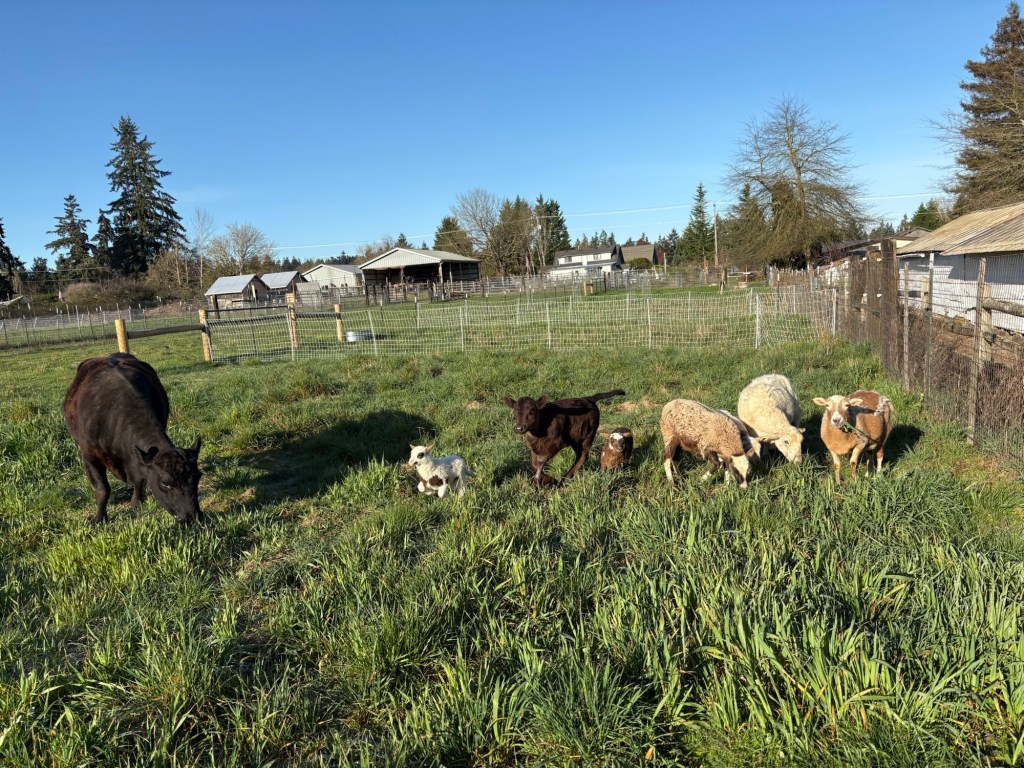
Jesus is all-wise, all-knowing. He foresees every danger to preserve us through it, and prepares every blessing to increase us with. We do not. Usually we don’t see anything more than the little piece of grass or the dandelion immediately under our nose. Usually we are not thinking of anything more than how to get the next piece of grass or another helping of dandelion (Yes, Please!).
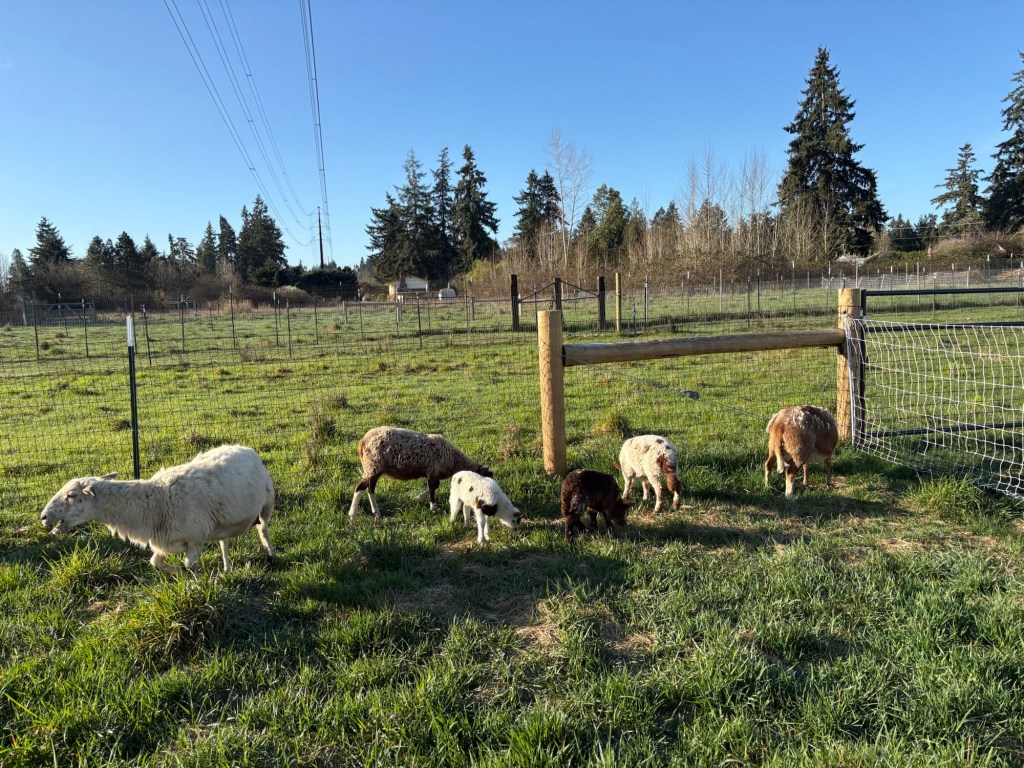
Jesus is the one who thinks from the point of view of eternity, to make sure that we have enough not just for now, not just for the rest of our lives, but for all eternity with Him in heaven.
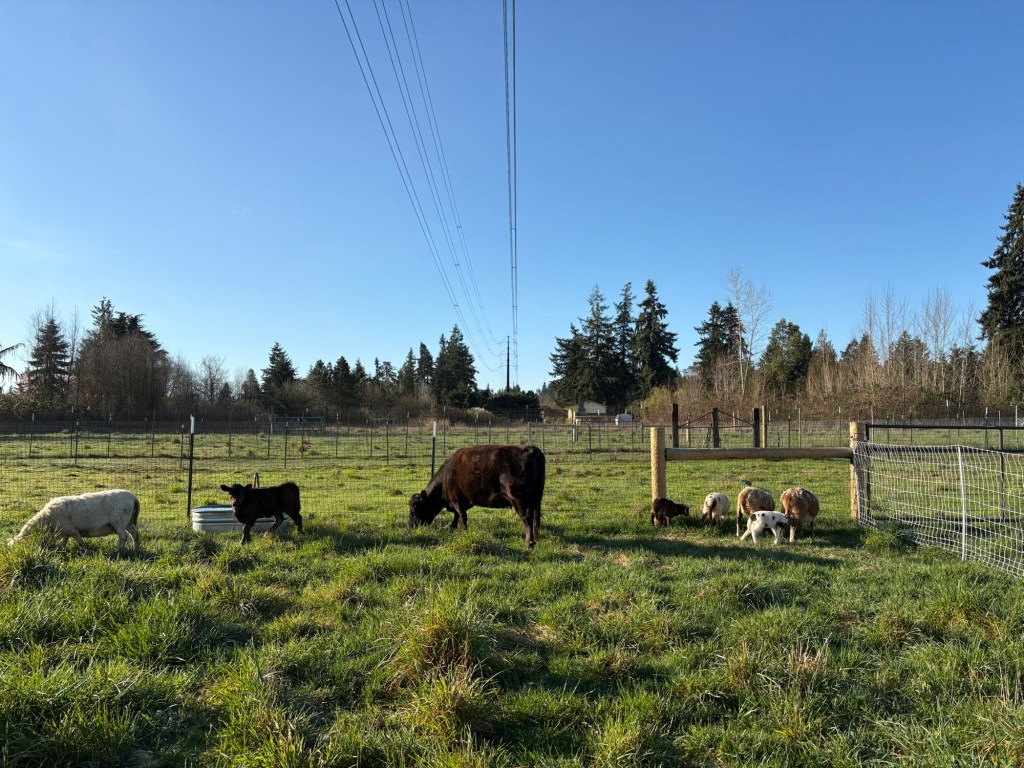
And that brings me to the fourth and final point. “maior dissimulitudo in tanta similitudine“:
For between creator and creature there can be noted no similarity so great that a greater dissimilarity cannot be seen between them.
— Fourth Lateran Council, 1215.
I said at the beginning that if you want to understand the parables of Jesus, lean into the physical reality that He told the parable about. This is, indeed, the fastest way to understand, especially at a level deeper than thought, the metaphor that He wove into the story; and not only into the story. For He ordered creation from all eternity to prepare a parable for us. When He created sheep and called men to be shepherds He did so knowing that He was preparing the parable of the Good Shepherd.
But there is more. By leaning into the reality of the parable, you will soonest come to the “maior dissimulitudo”, the even greater dissimilitude. In the similarity, Jesus speaks to us as humans. In the dissimilarity, He calls us higher, into His life as God.
We must keep in mind why it is that we raise sheep in the first place, and that is for food. We draw the sheep up from their lowly animal life into our higher human life… by eating them. We care for the sheep it is true, and give them a life that is safer, healthier, more peaceful, and longer (for breeding stock) than they could ever hope to enjoy in the wild. It has less suffering, and is even, in a sense proper to a sheep, a happier life. This is part of the covenant we make with a creature when we domesticate it. We take away some of the wild traits that are inconvenient to use, but which kept it alive in the wild, and we replace them with our own care over them. Part of that covenant is an obligation to provide, as best we can, a dignified and humane death, and to use the whole animal as far as we are able.
This is at best a clumsy, postlapsarian arrangement. Jesus turns this arrangement on its head, by being not only the good shepherd, but the Lamb of God! He cares for us, not so that we may benefit Him, but so that He may benefit us. He does not take our lives to suit His needs, He gives is life to fulfill ours.
And most astounding of all, He does not eat us. He feeds us:

With His own Body and Blood.
And thus draws up from our puny, limited human lives, into the fullness and glory of His Divine life.


