

I have so many pictures backed up, waiting for get put into a blog. I have given up on a detailed update on all of it, but as this blog is our primary record keeping mechanism (for big picture stuff, anyway) they still need to get updated.
Good Friday (April 3rd) planted two new apple trees, 5 plum trees, and a fig, with the help of ICU Mike from men’s group.
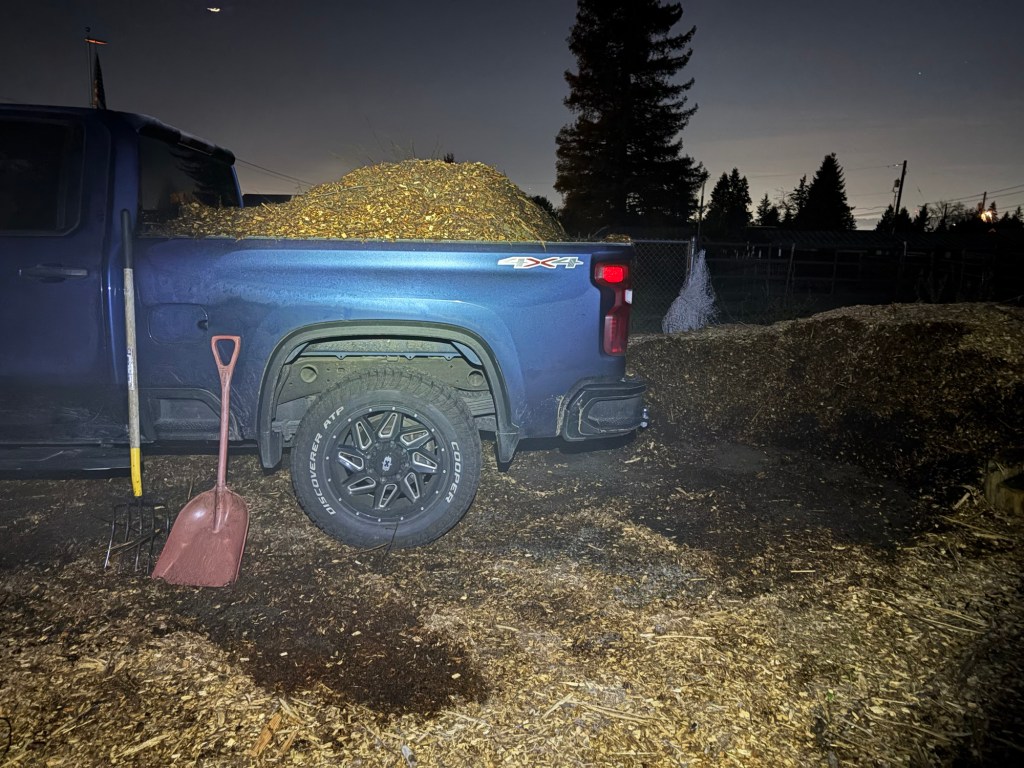
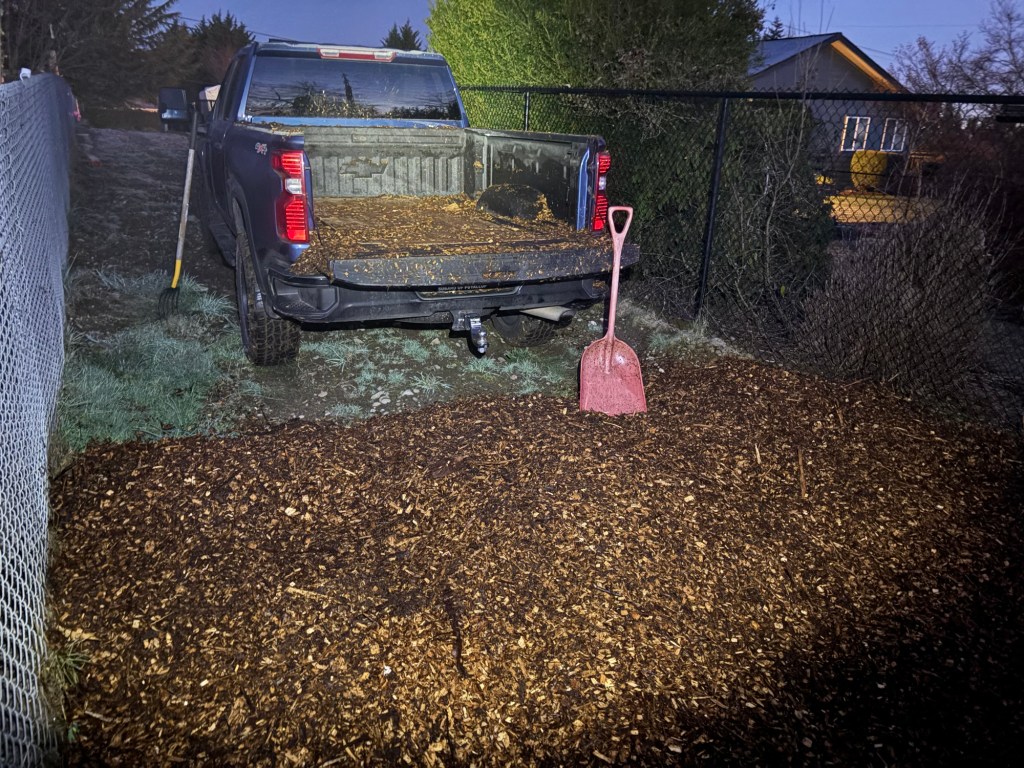
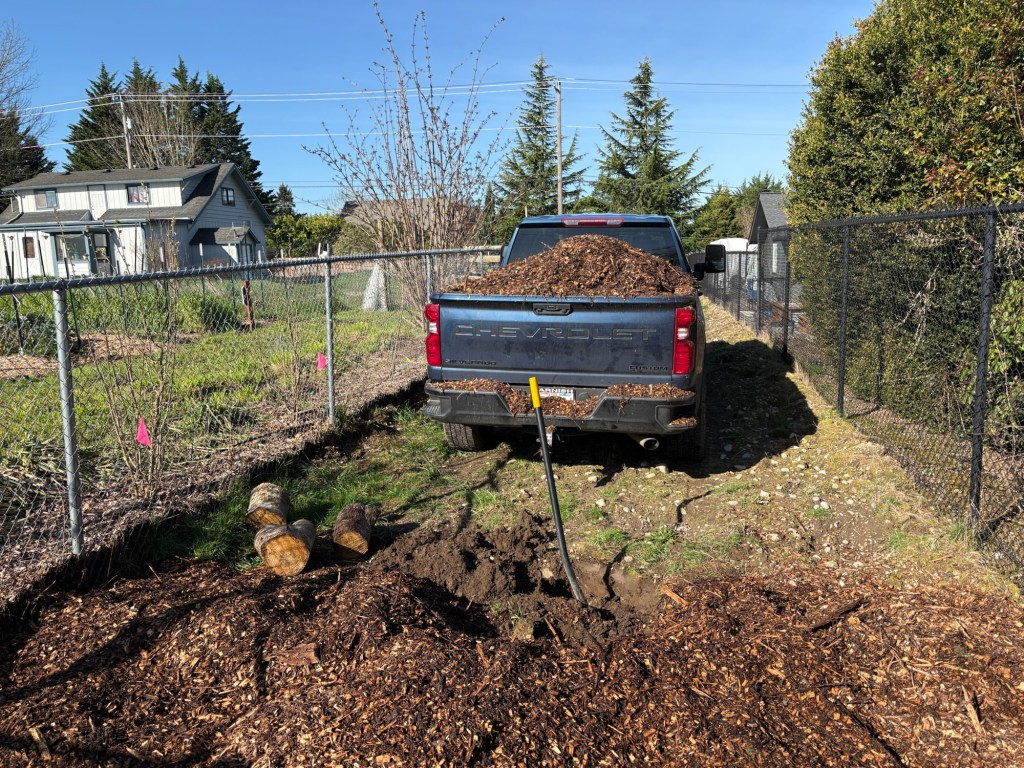
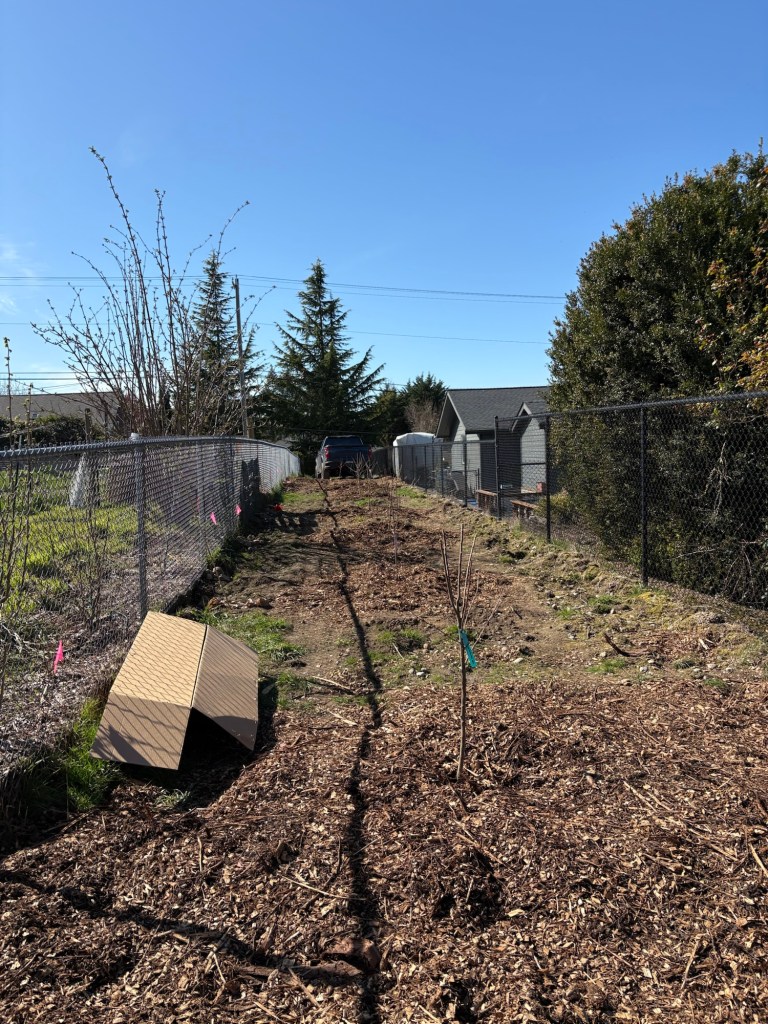
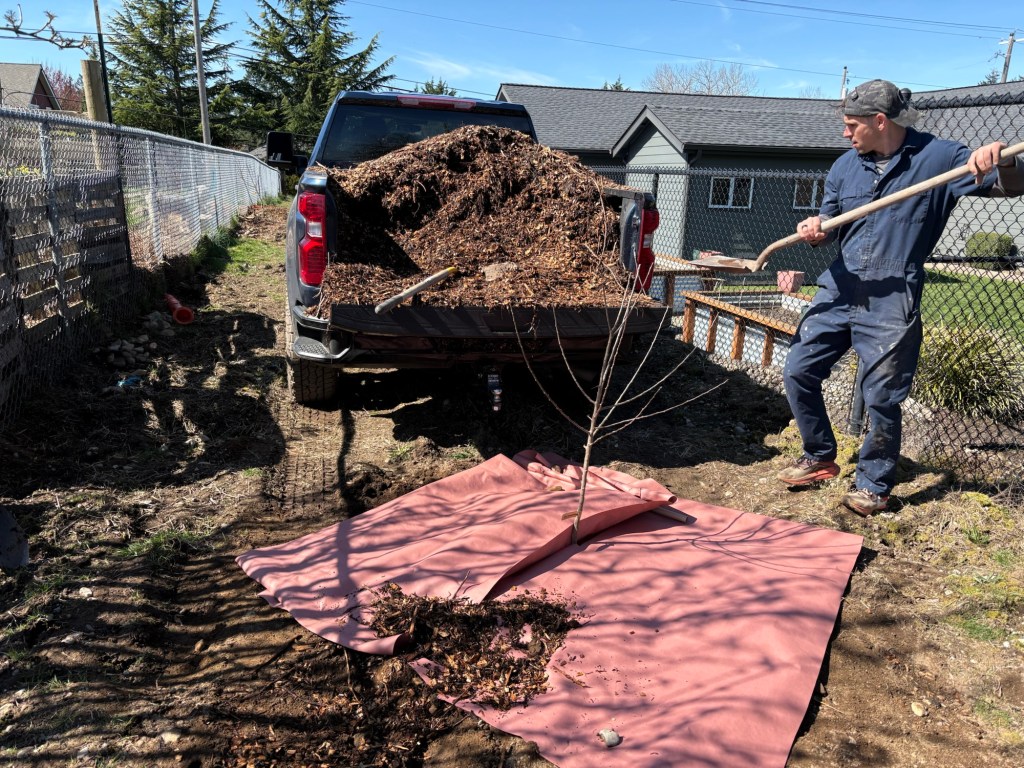
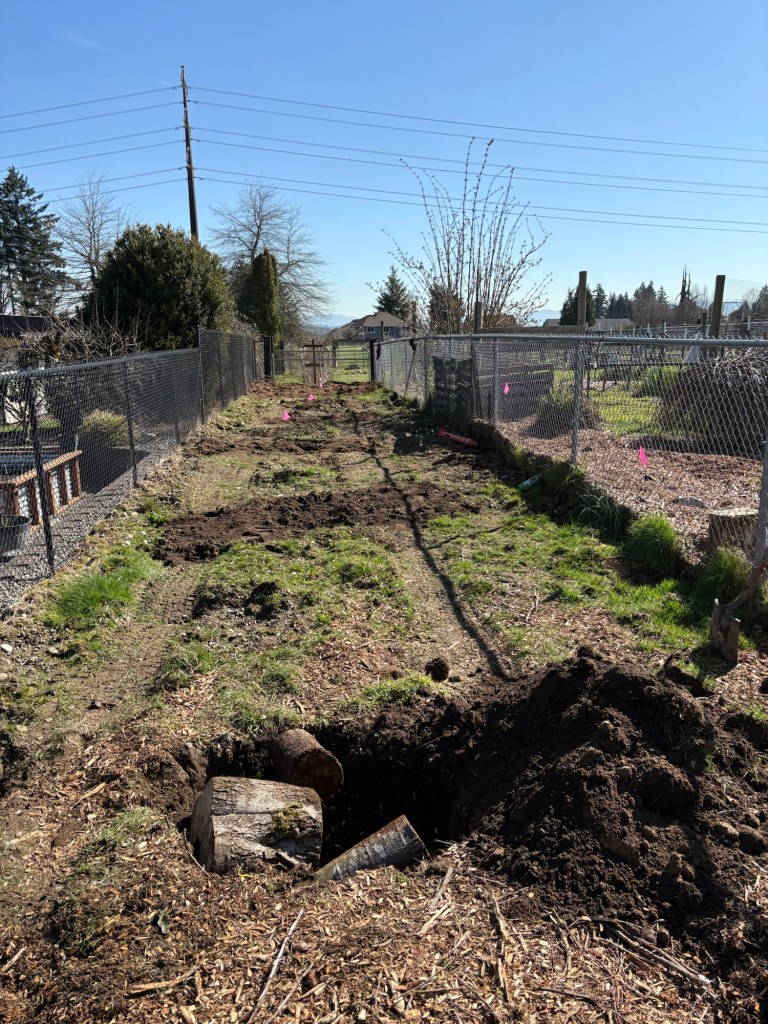
Did something a little different than I have ever done before. In each of the holes I dropped three log sections, which we buried below the root zone all around the tree. My hope is these will turn into little mini hugelkulturs over the next 5-10 years, acting as water sponges, sources of organic matter, and little microbe hotels to help feed the trees.
Cultivars planted were:
- Arkansas Black Apple. This is a keeping apple that ripens late and mellows over several months in storage to reach its full mature flavor profile.
- Kingston Black Cider Apple. Another sharp apple high in tannins, hopefully for making interesting hard ciders.
- Geneva Mirabelle plum: This is a very sweet, high sugar, juicy plum for eating, juicing, and making wine. It is reputedly very tasty, but does not produce much pollen, so needs another plum for pollinizing. Hence…
- Purple Gage Damson Plum: This is one of the few almost freestone plums, with thicker, chunkier meat for canning applications. This one is a good pollen producer, and should pollinize the Mirabelle, being another European with similar bloom time, but needs a pollinizer in order to produce, which the Mirabelle won’t do. So…
- Reine Claude Doree, a cross with one of the oldest greengage plums in France, known for high sugar content. However, because this is a European plum with a later bloom time it will not pollinize an Asian plum, and Mommy’s favorite canning plum is the Hollywood Asian plum, so…
- Hollywood Asian plum, known for prolific production and its beautiful red flesh. Kathleen processes them into jam with the stones in which provides a natural source of pectin, to make a beautiful, dark red, silky smooth jelly. Of course, it does not cross pollinate with European plums (much earlier bloom times) so…
- Methley Asian Plum. This is a cold hardy, vigorous, and low chill hour (less than 150 hours), and self fertile plum. This is a good pollinizer for the Hollywood, but also a plum of last resort. It will bloom and set after even the mildest winter when nothing else will.
Seriously, when we bought plum trees for the current house, I knew nothing about plum pollination requirements. So we have two plums that cross, one of which is self fertile, but a third tree has a different bloom time and we get no plums off of it. This selection was the result of a half hour phone conversation with Laura from Raintree Nursery, who was incredibly friendly, knowledgeable and helpful. If you are local and need help selecting trees, give her a call!
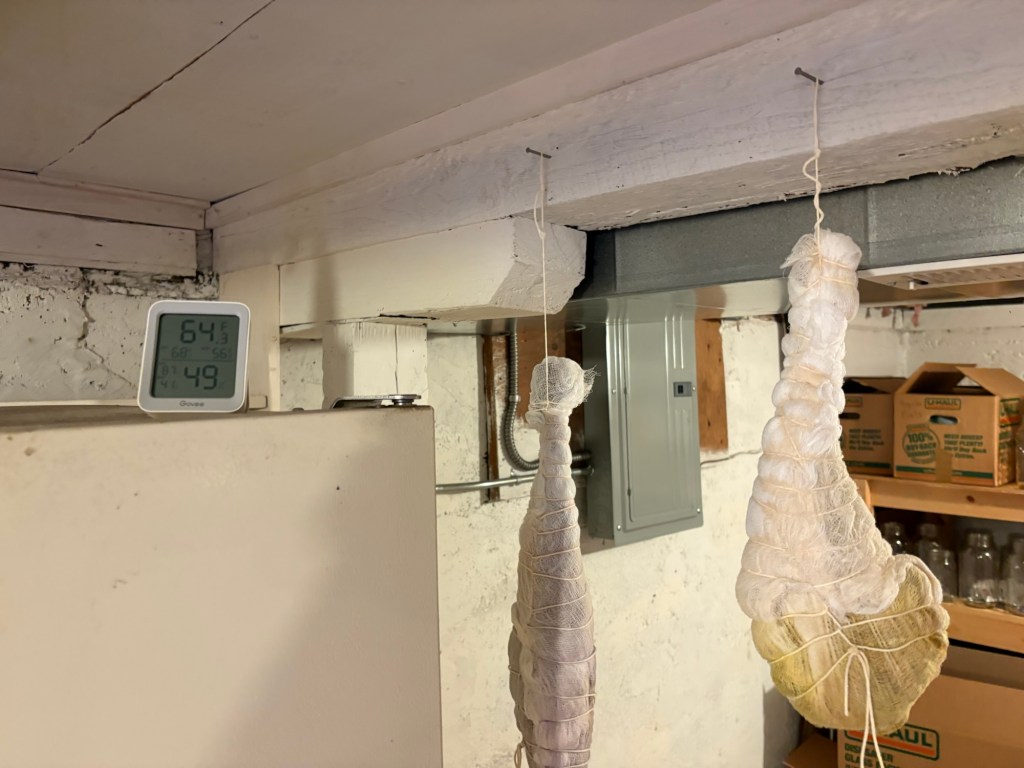
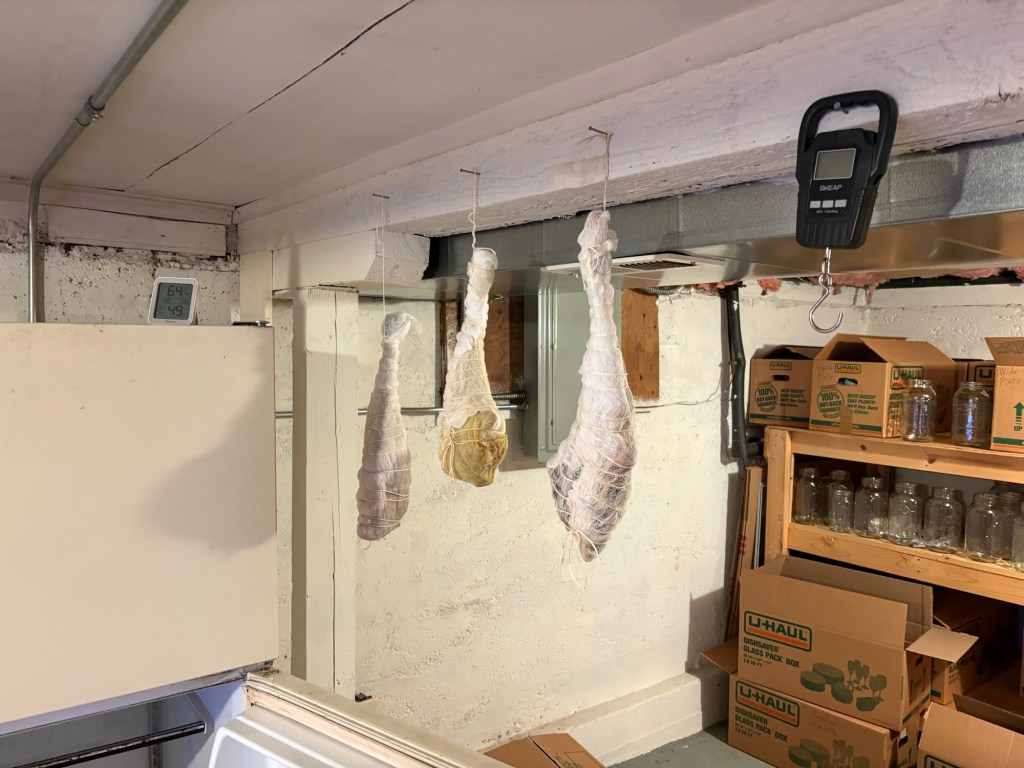
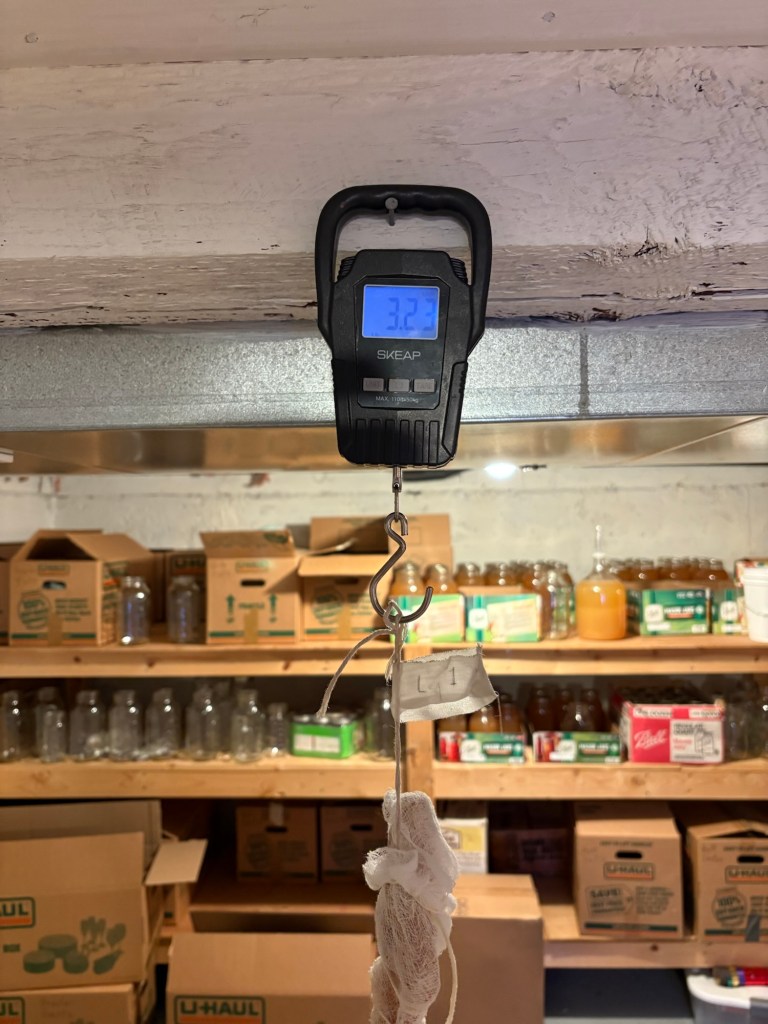
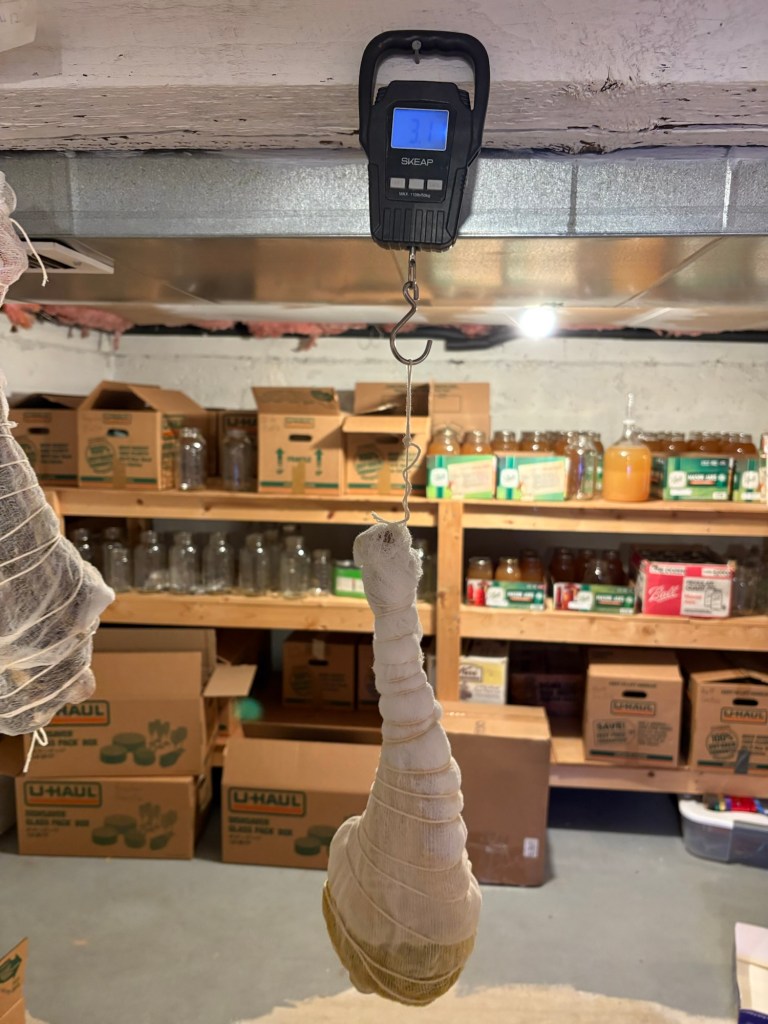
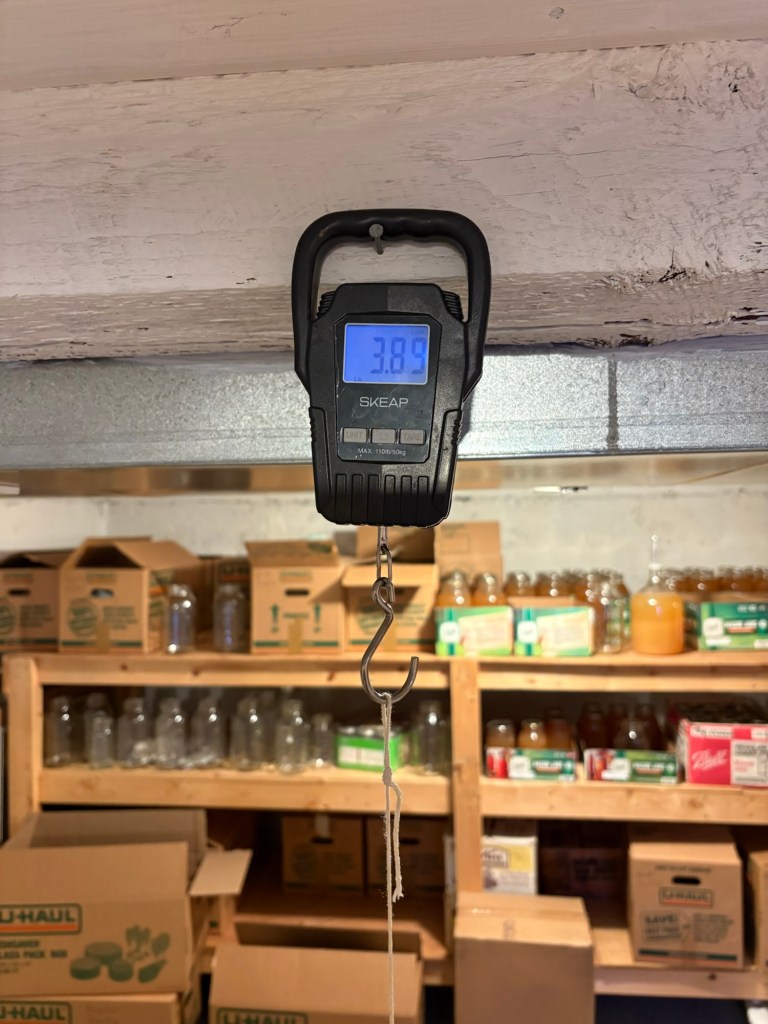
On to the meat saga. Salt cured lamb is coming on well. I need a whiteboard in the basement to make tracking weights easier.
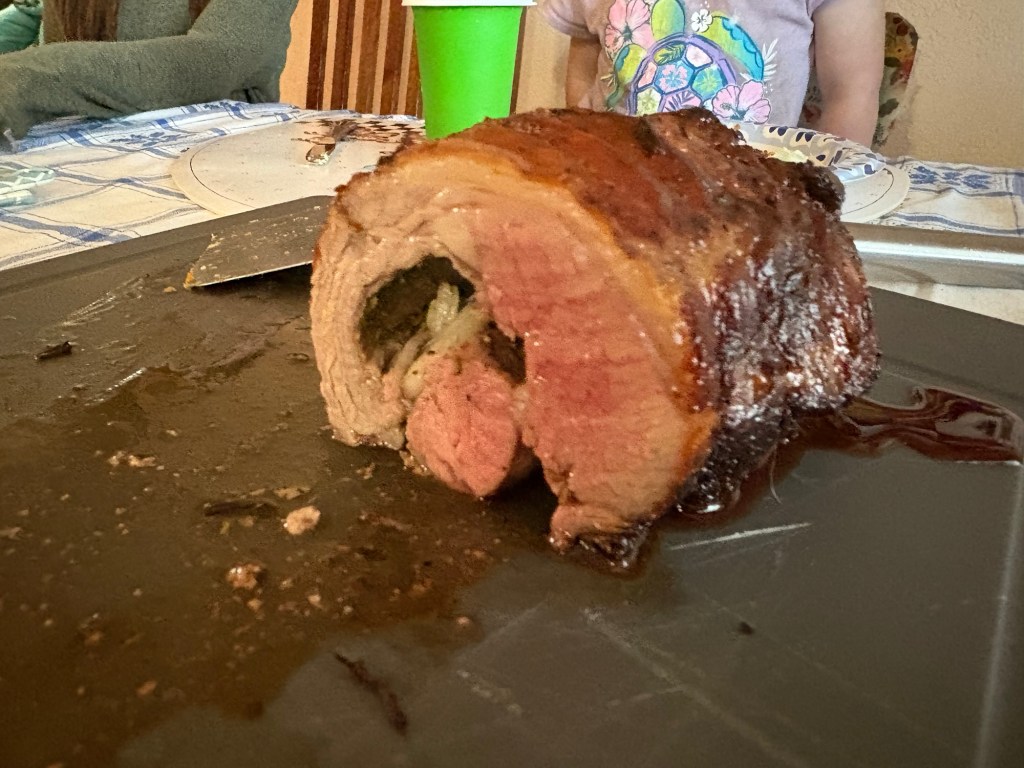
We had three pigs slaughtered on the 31st, one for us, two for customers. Summit View Meats has turned out to be a much more user friendly shop than any of the butchers we have worked with so far, so we will probably be coming back to them in future, especially for customer animals.
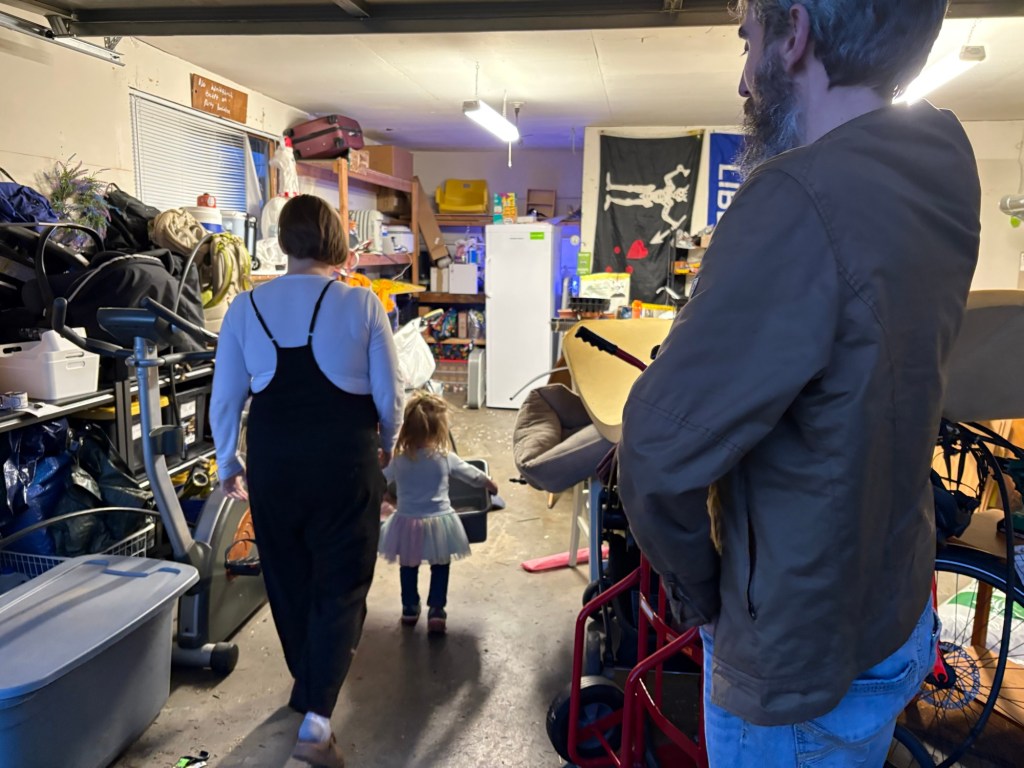

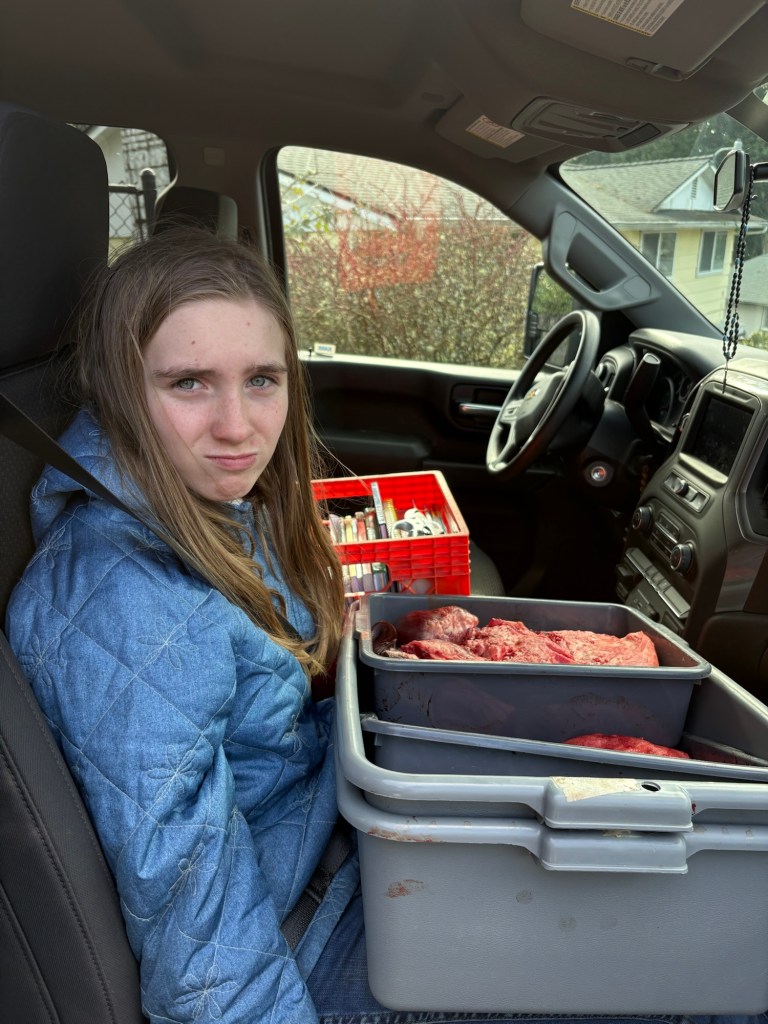
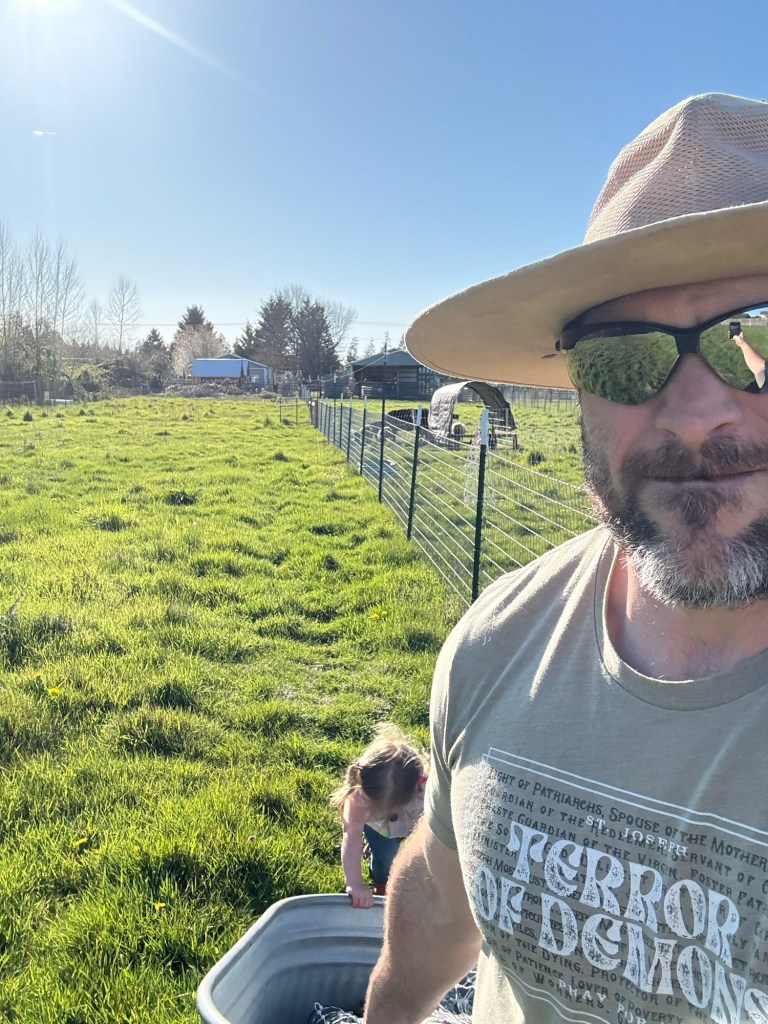
We delivered the offal to two of our customers that night. Winnie carried the tub all by herself at Corbin and Rachel’s because “I am so strong!” She had me help carry it to Fr. Lou because “I am so strong, but I am a little weak.”
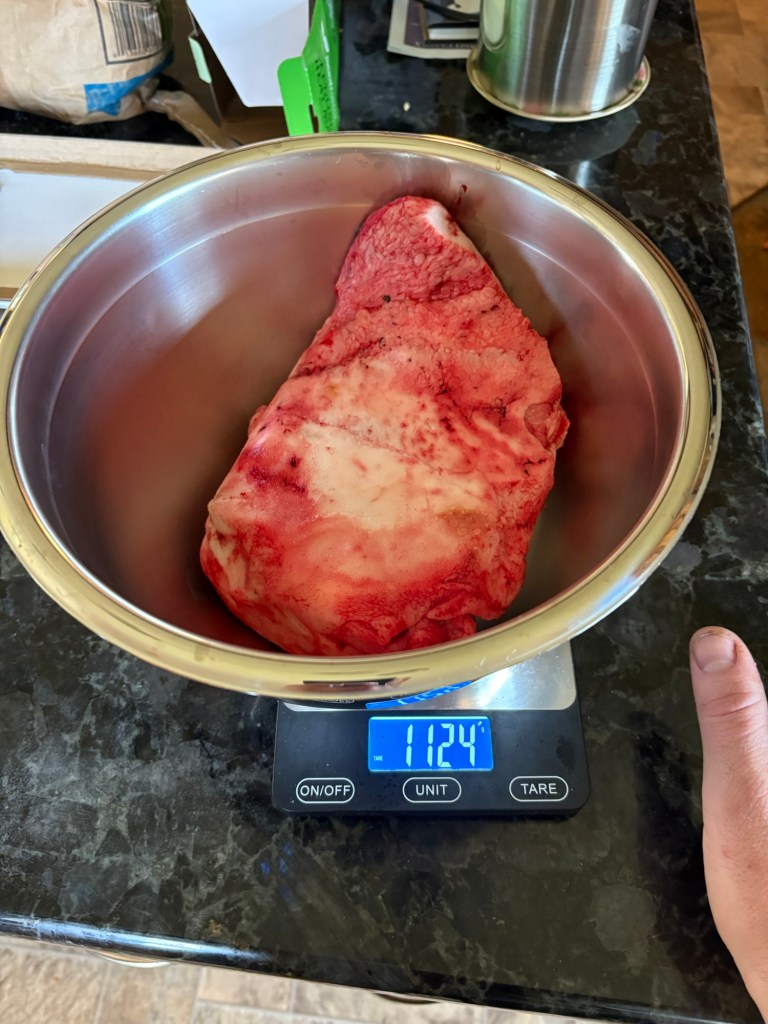
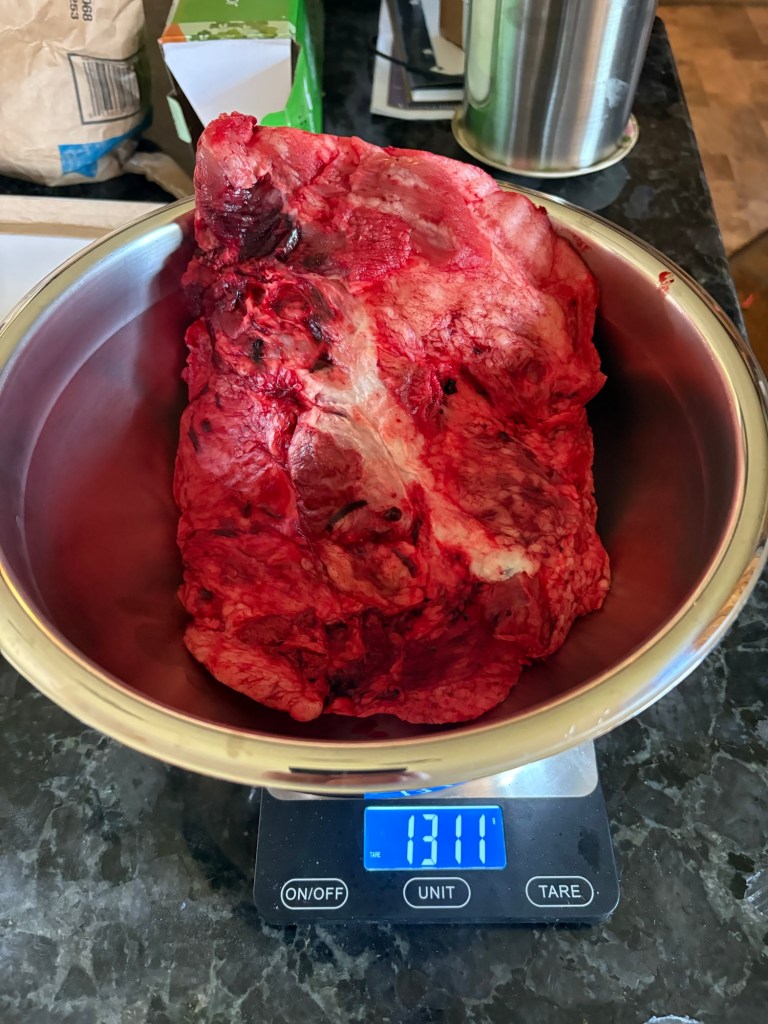
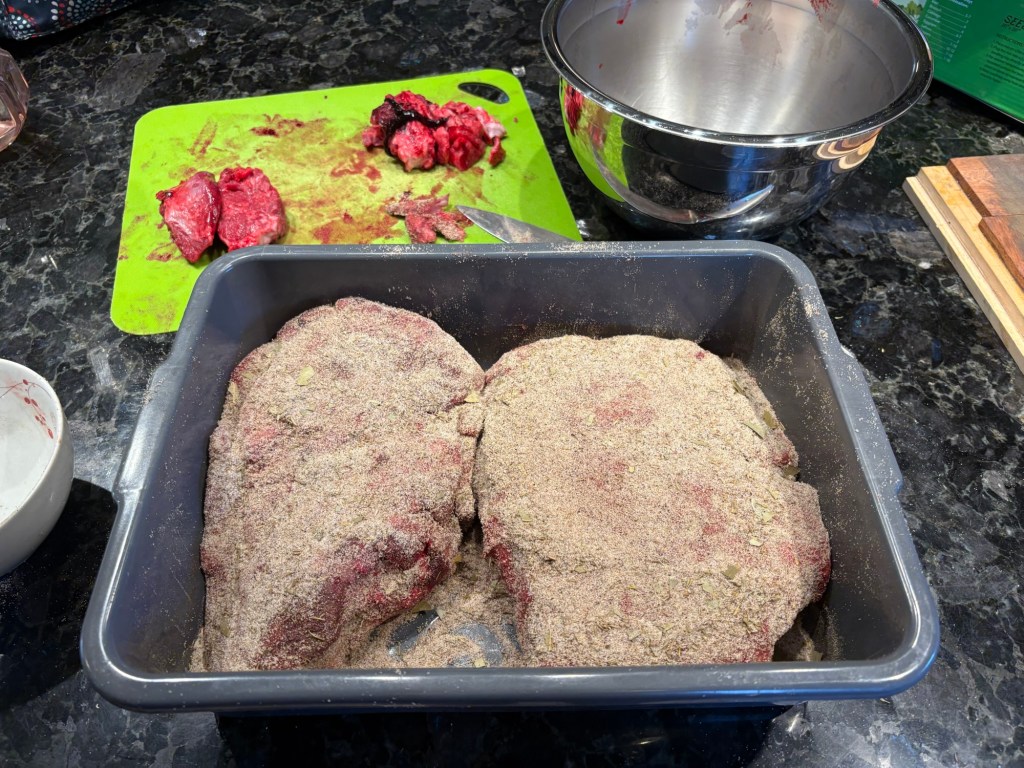
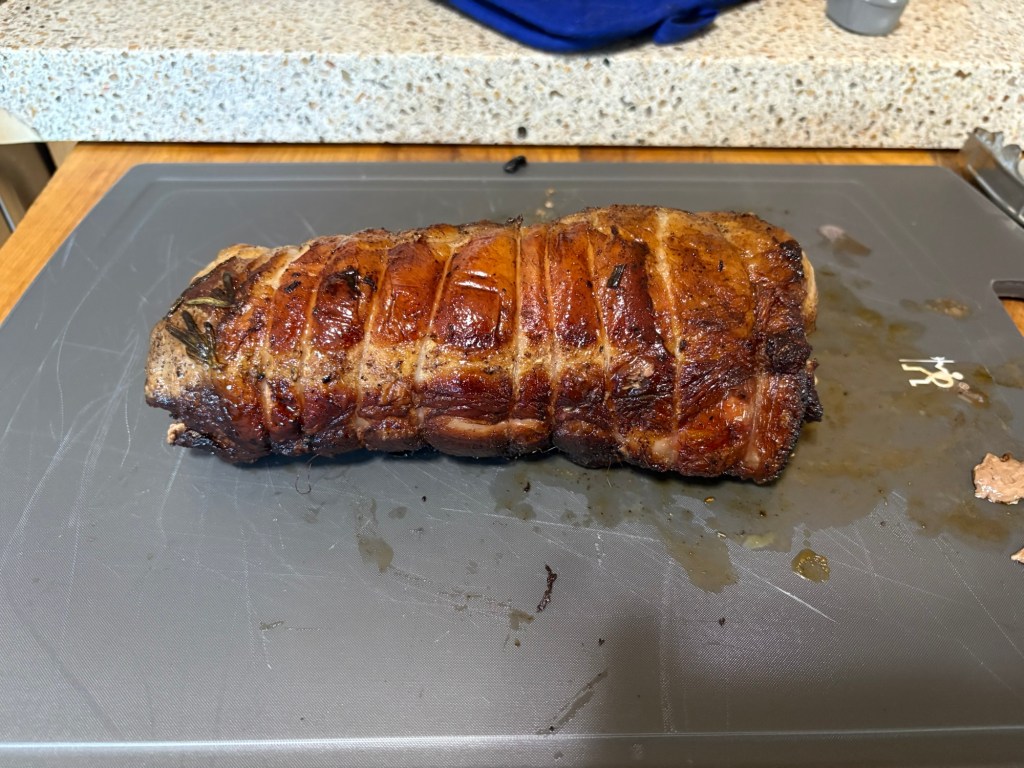
We had the jowls saved from all the pigs, and put ours on salt two days after butchering. It is now hanging in the basement to turn into guanciale.
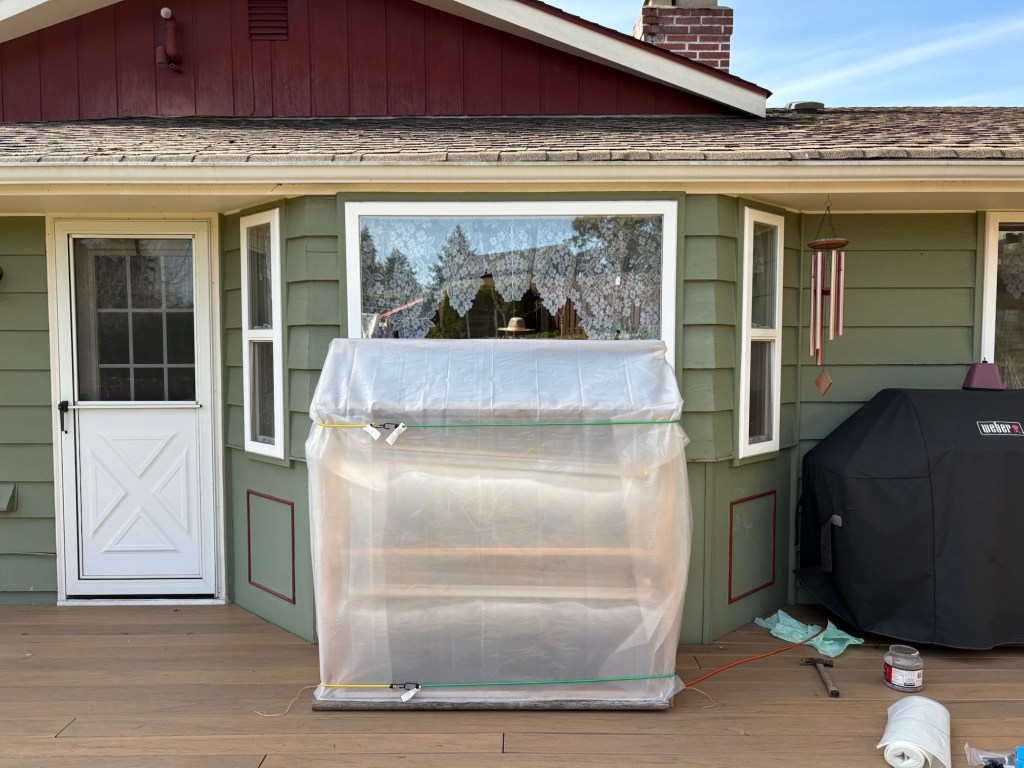
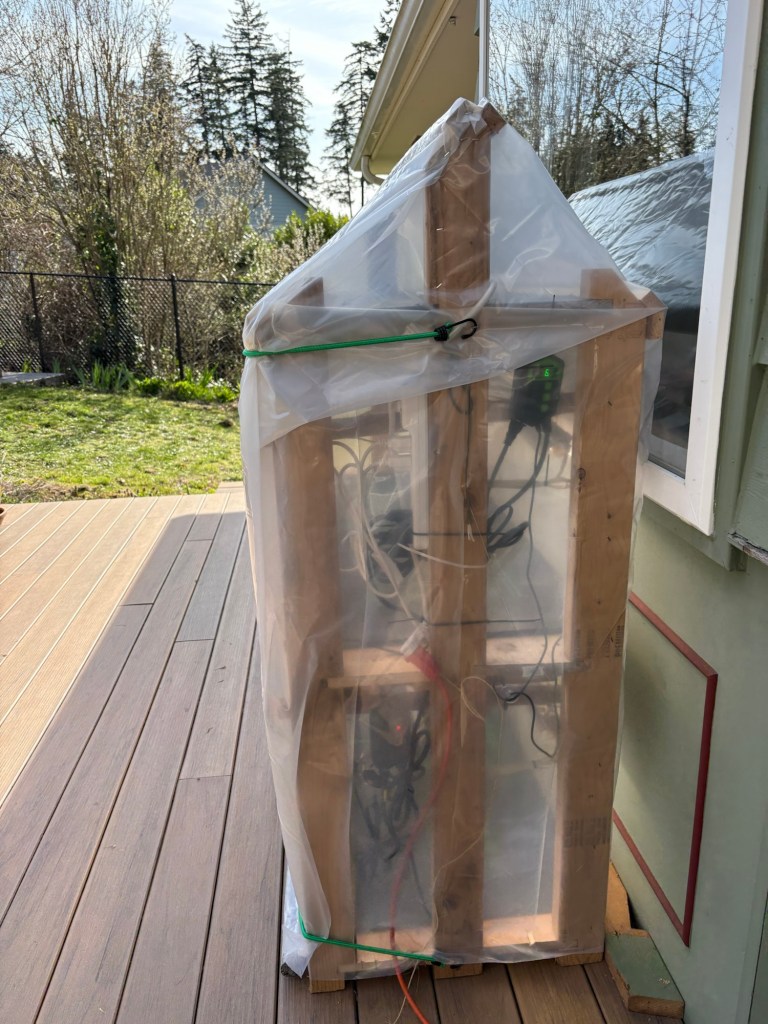
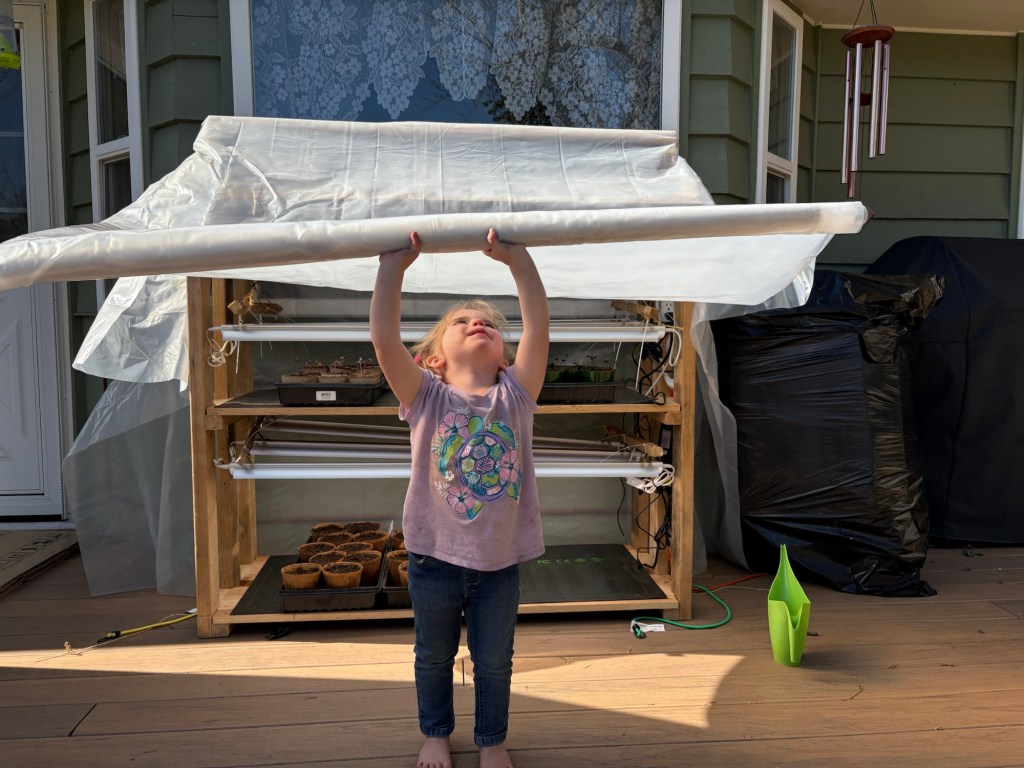
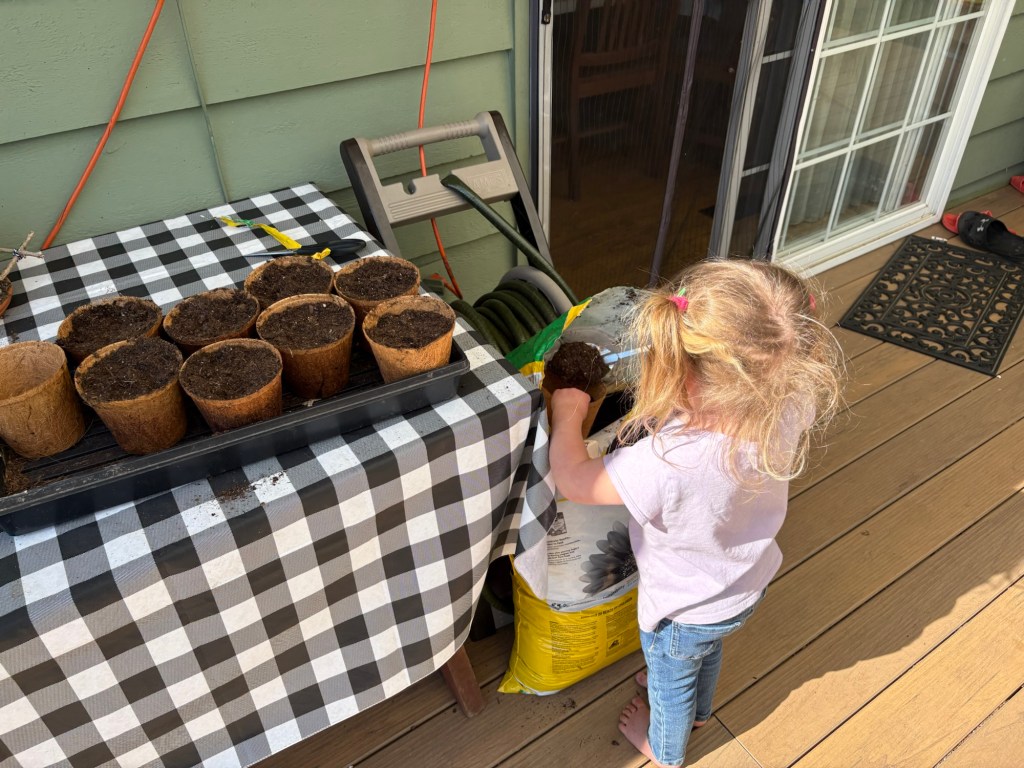
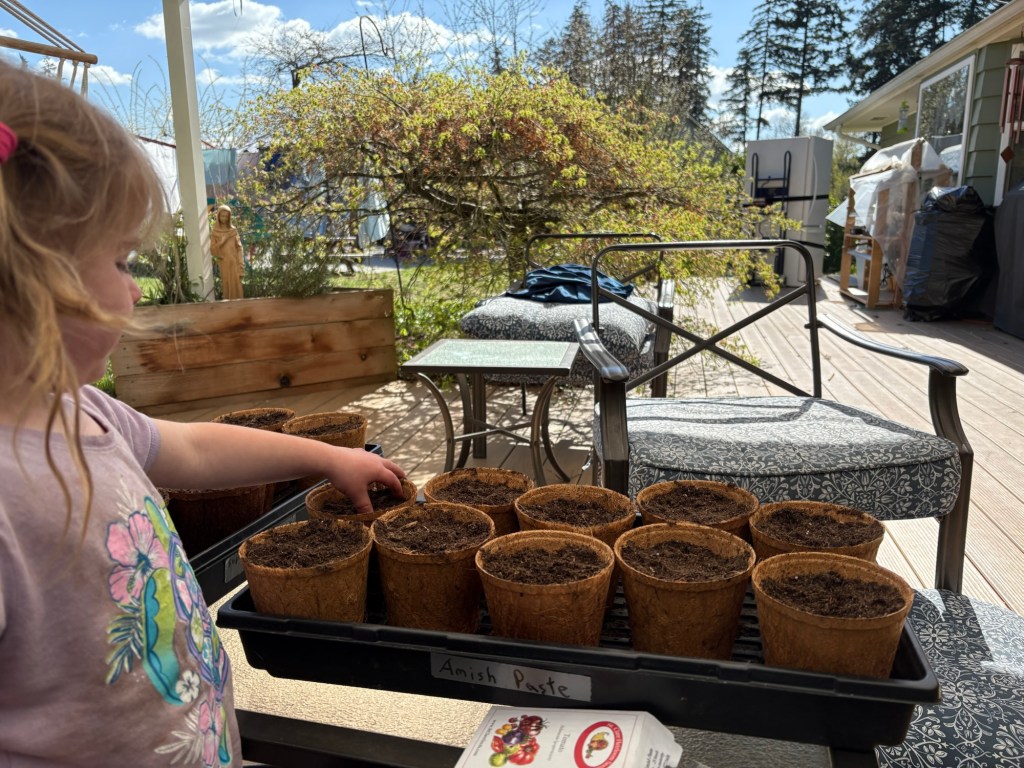
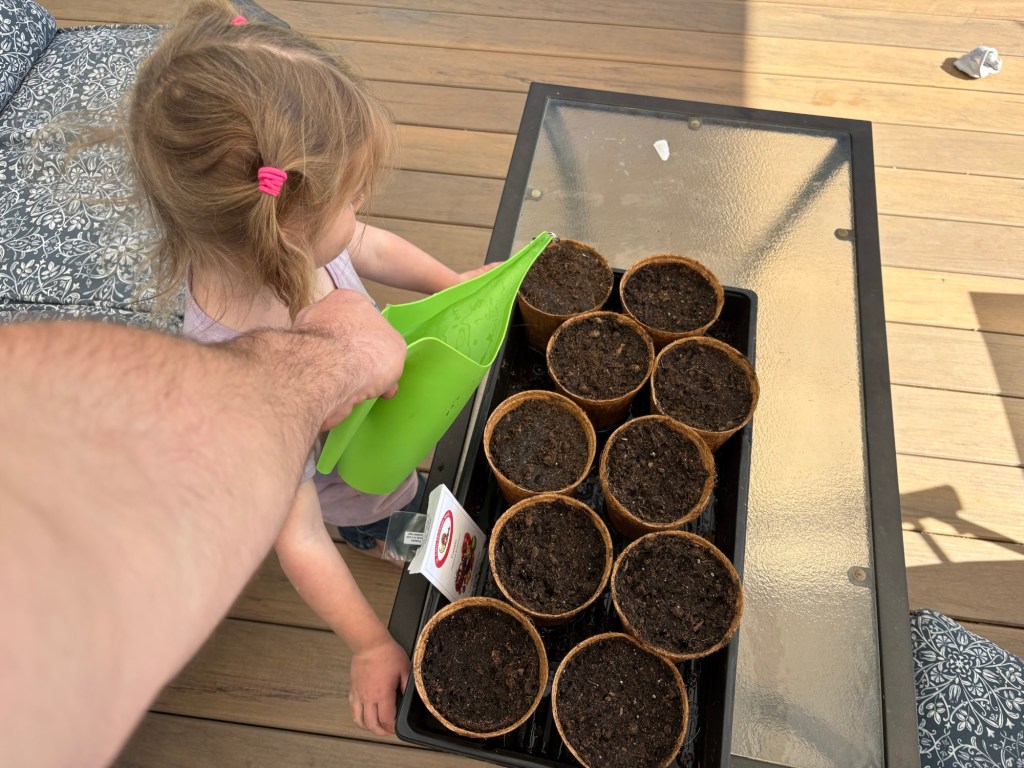
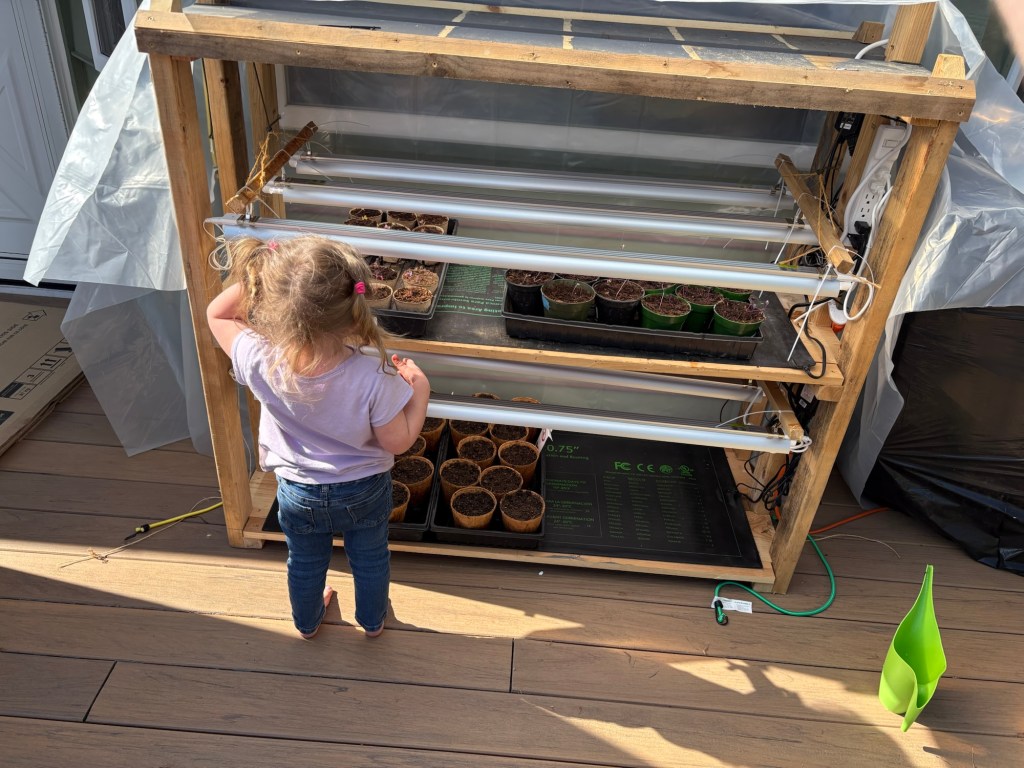
The weather has been absolutely insane for the last two months. We had snow in April! Multiple hard frosts,, at least one a week for the first three weeks in April, but punctuated by 70+ degree days. This is extremely difficult for starting a garden. We had to build a little outdoor greenhouse for our plant starts, because we were hosting Easter dinner (once the kids got done throwing up) and we needed the kitchen table space for food. But the problem is that it has to be opened manually if the temps go up, and closed manually when the temps cool down, and one day after planting the tomatoes (with Winnie’s help) we had a very warm afternoon, no one was home to open it, and it roasted 80% of the second planting of cabbages and brussels sprouts. The ones that survived are thin and spindly with shriveled leaves. We put them in the garden, but I am not sure they are going to amount to much.
Of course we haven’t had time to get in the garden much anyway, so it is overrun with weeds. It won’t be much of a garden this year, unfortunately.
But the tomato starts are doing nicely.
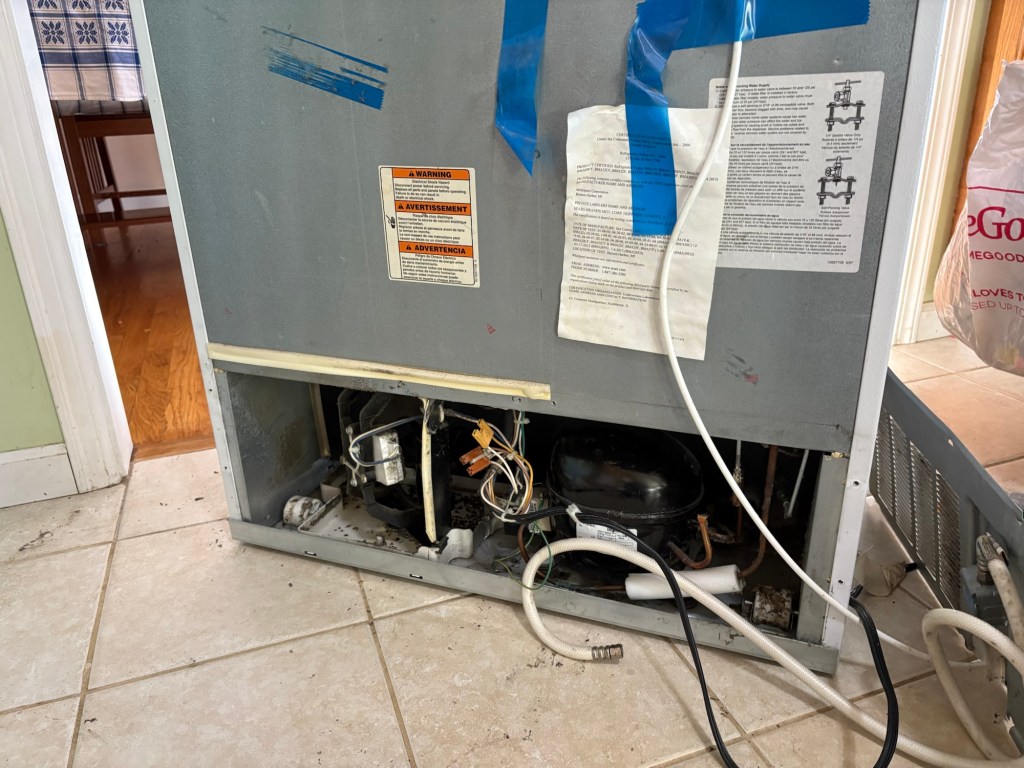
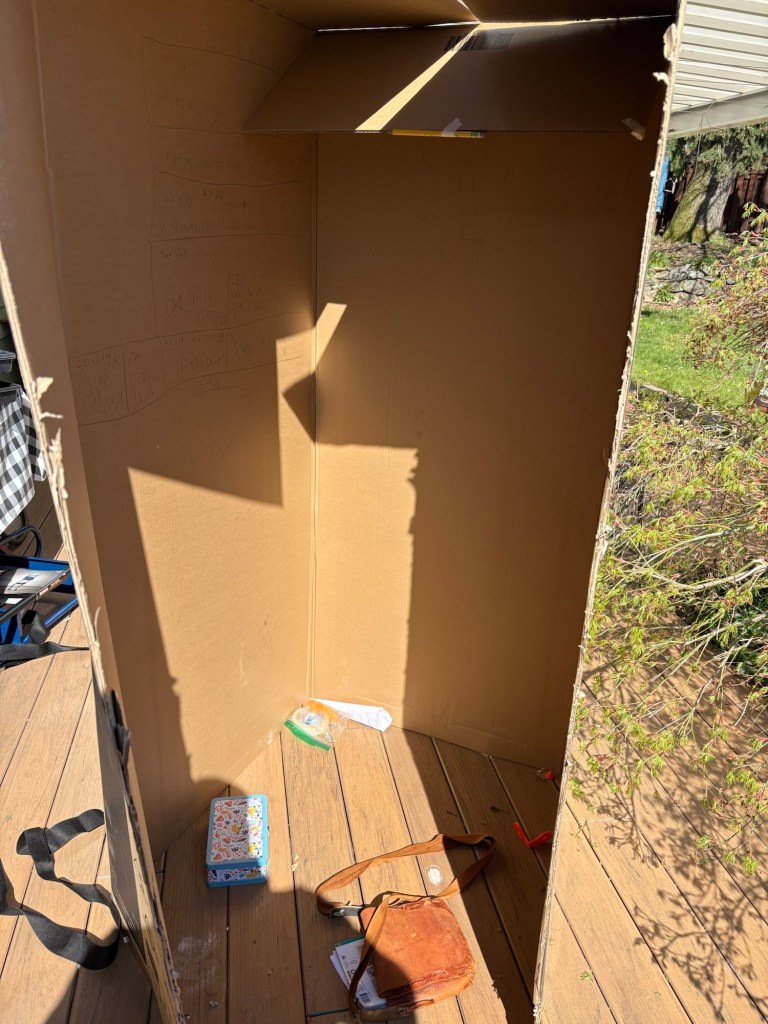

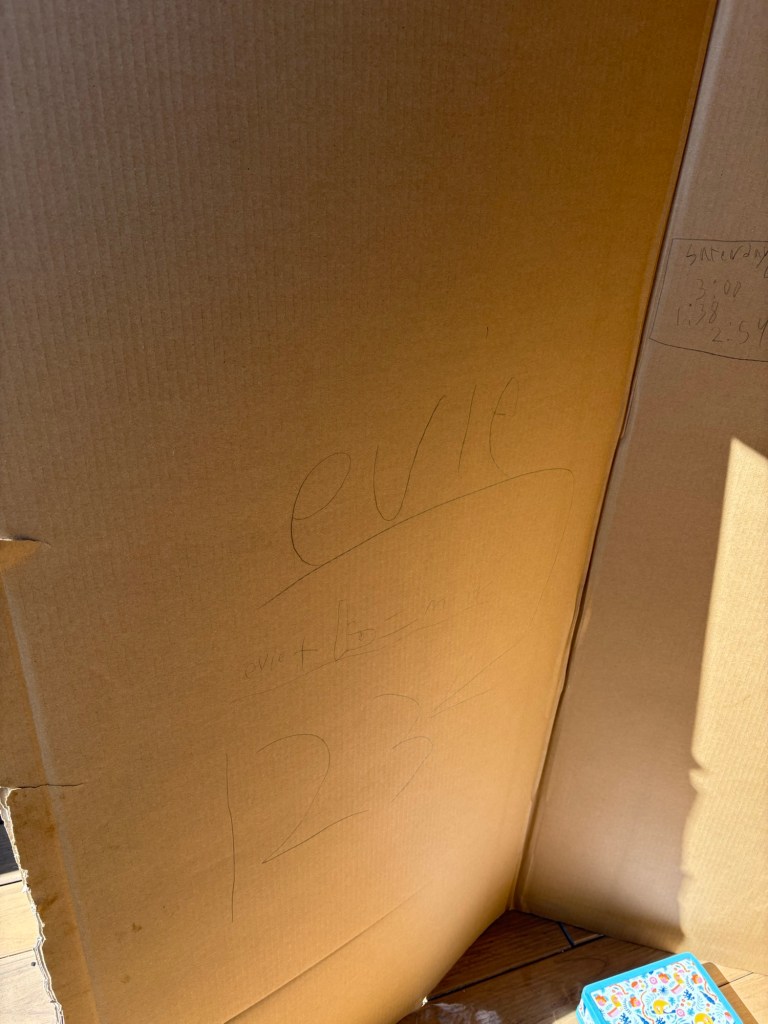
The refrigerator died, turning a possible farm day into an appliance replacement day. Ellie turned the new refrigerator box into her “office” on the deck outside. She was mad when I took it to the farm to use it as sheet mulch to suppress weeds.
At least the kids were having fun.
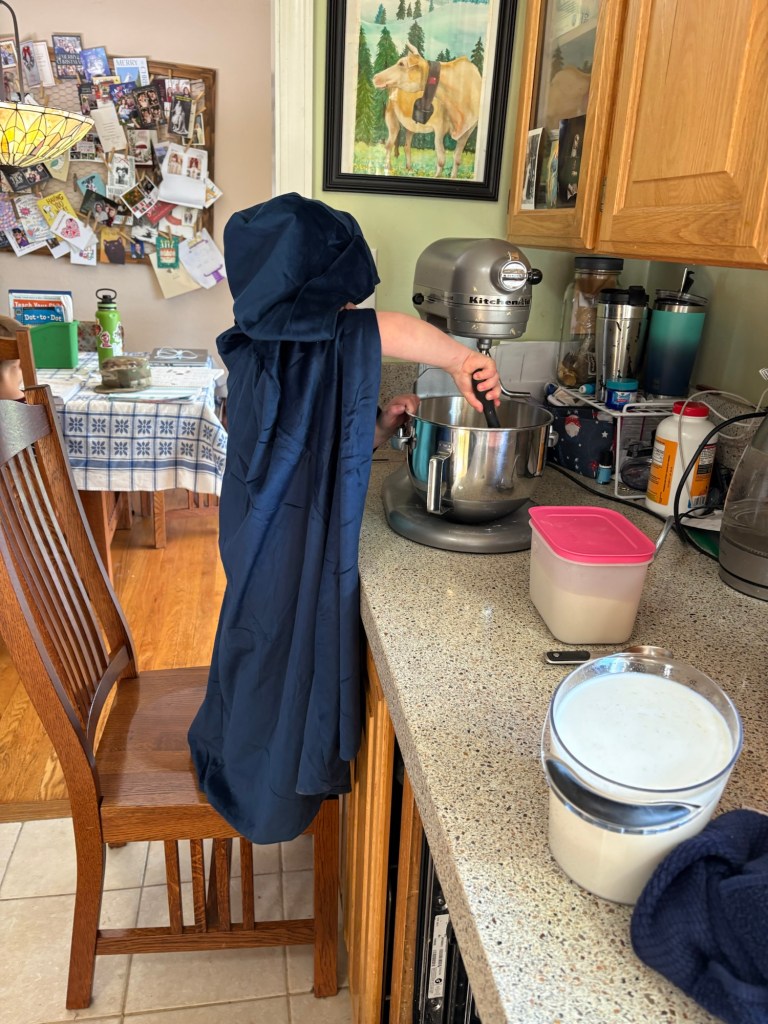

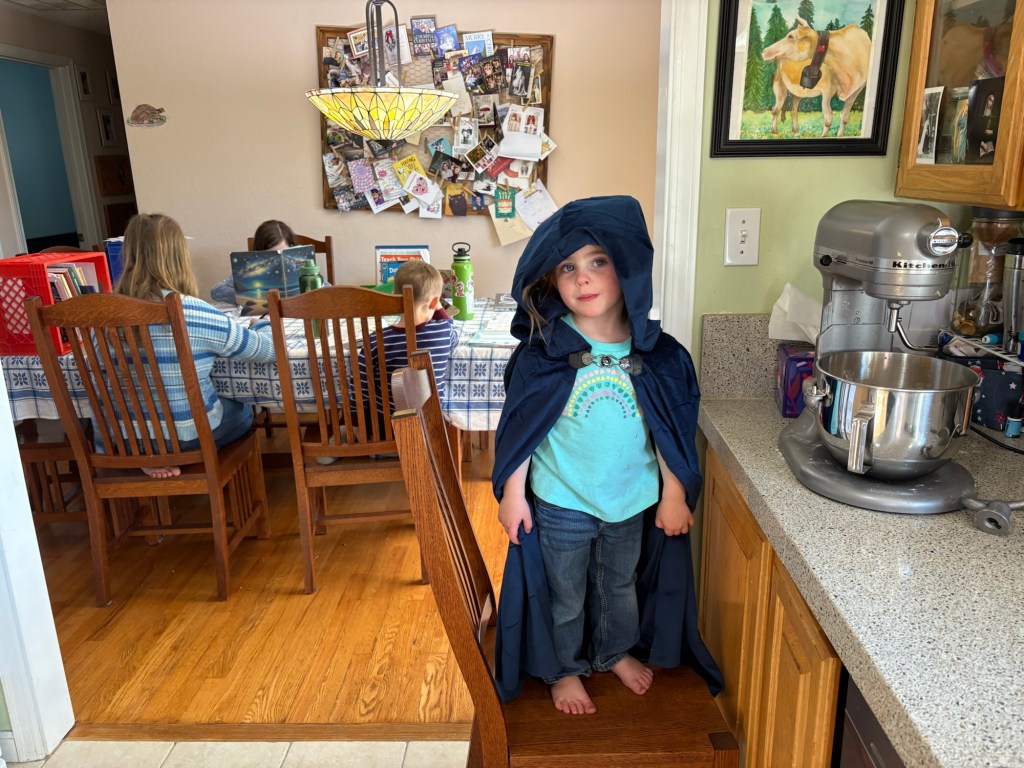
Who is that hooded baker?! That’s Winnie wearing Ellie’s ranger cloak, and insisting she is tall so she doesn’t need to worry about tripping.
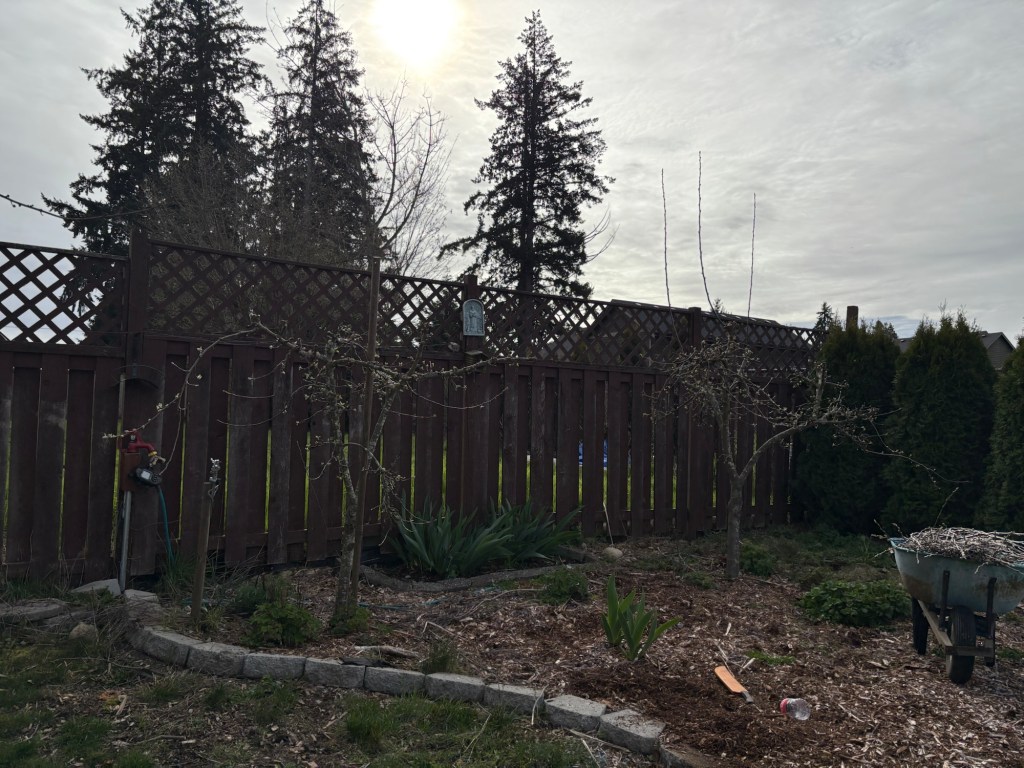
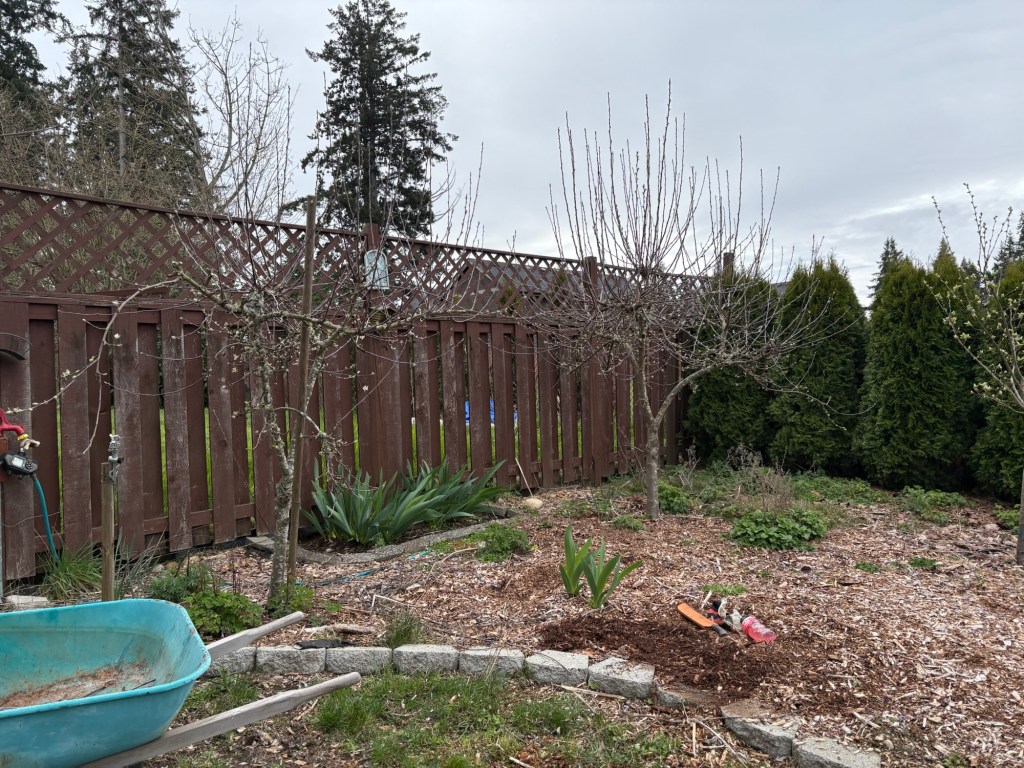
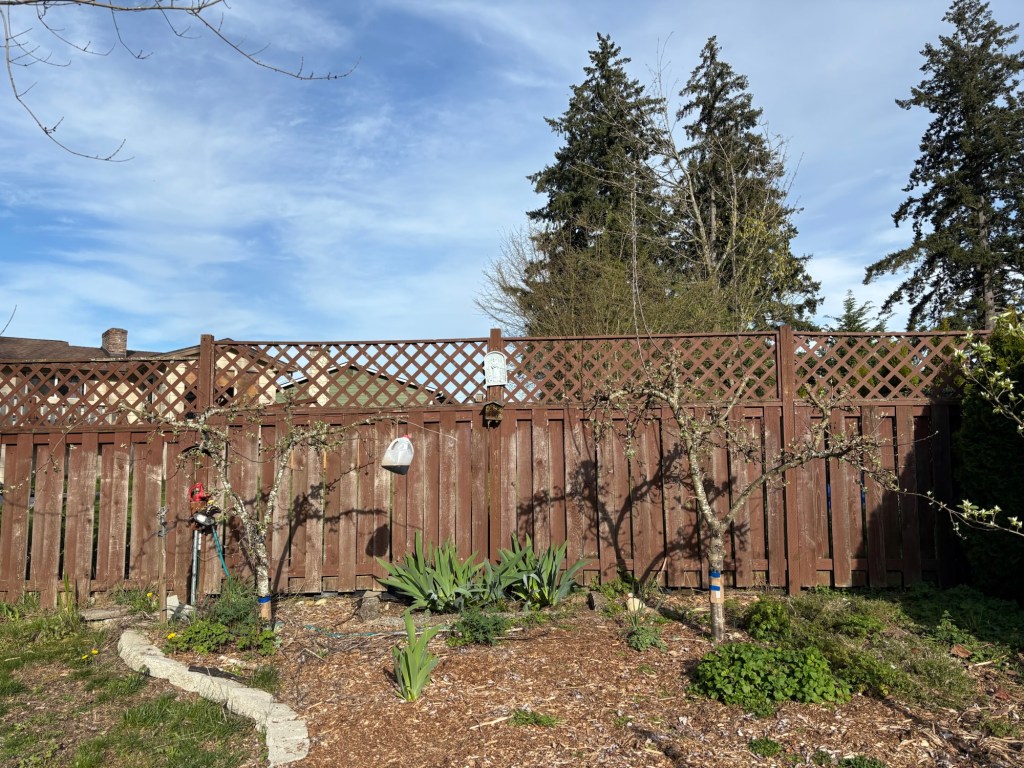
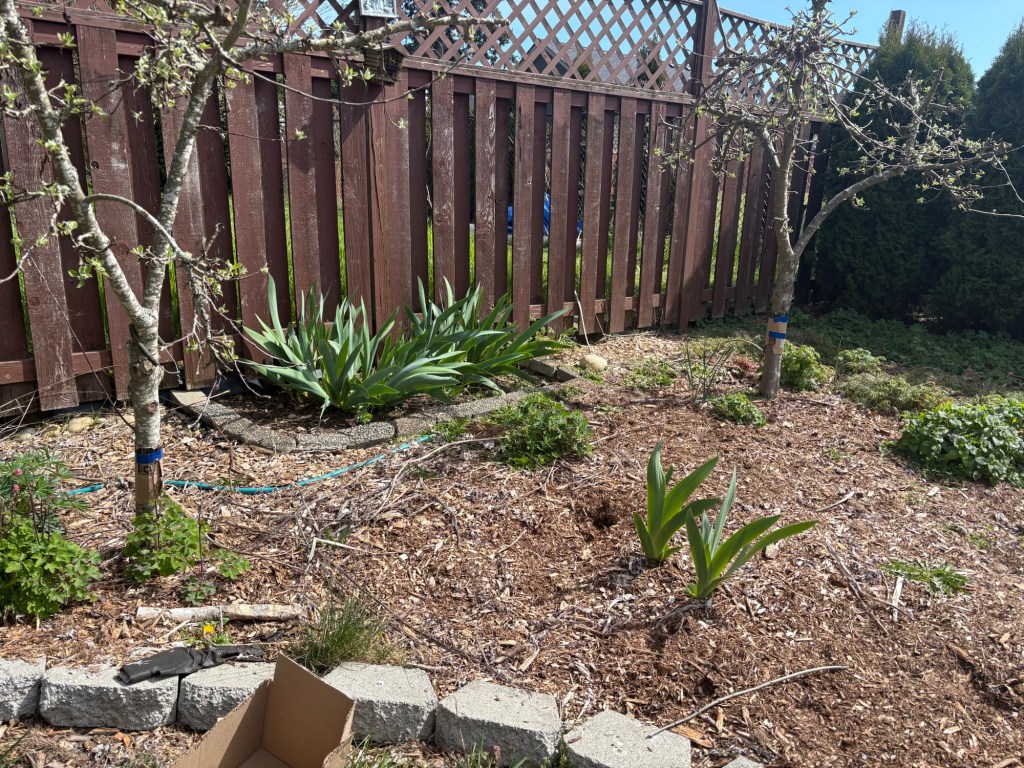
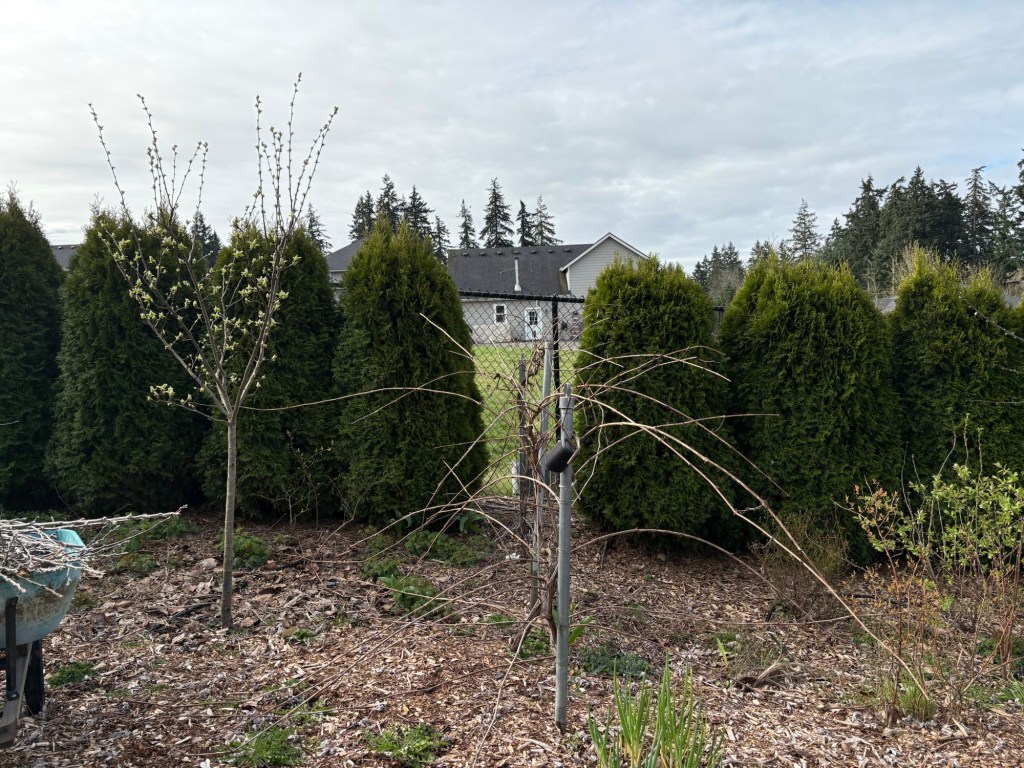
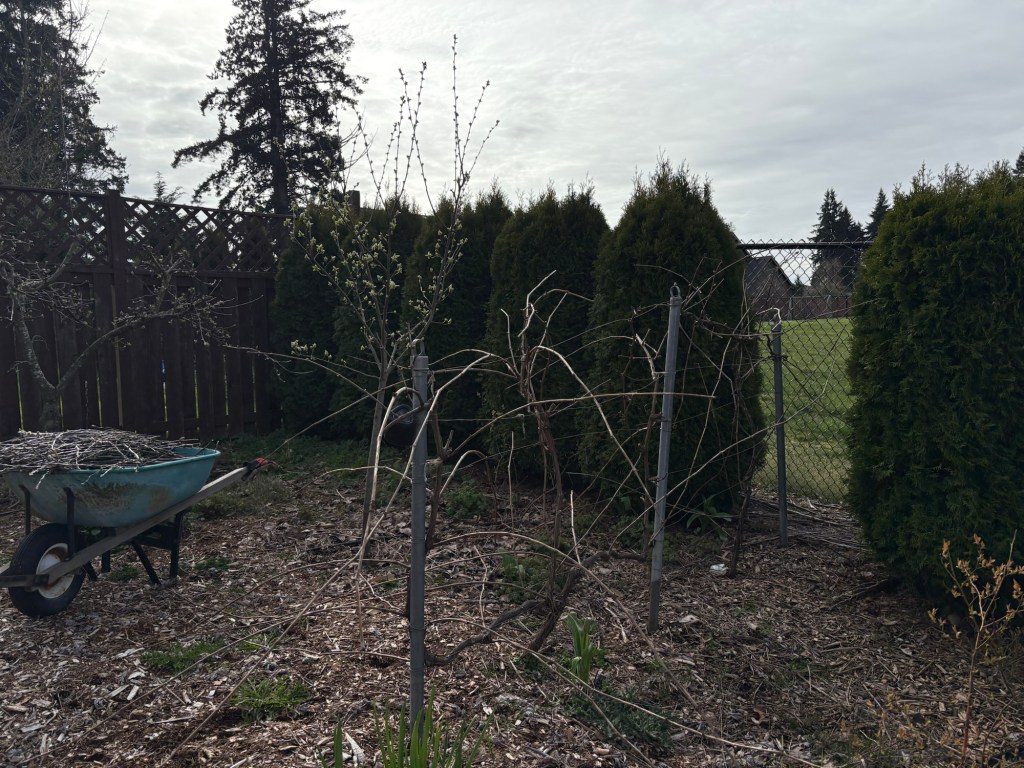
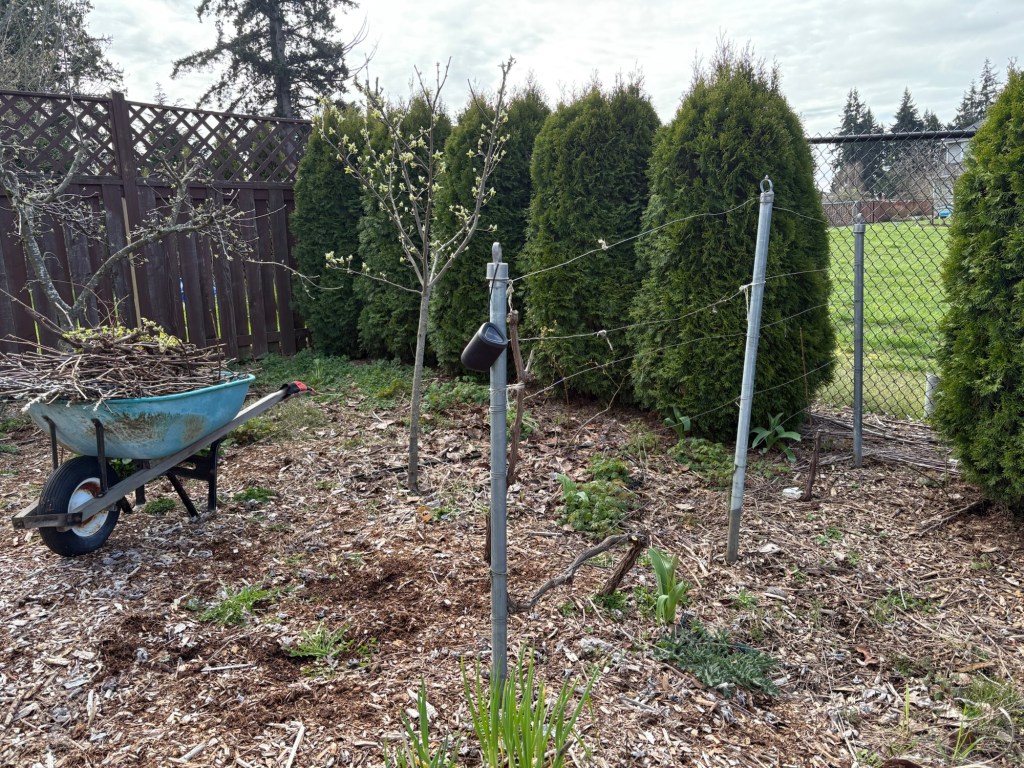
Some long overdue pruning at the house. The grape I cut back very aggressively, I do not expect to get grapes from it this year, but we will get more next year and it should be a little easier to manage. Again, you don’t know what you don’t know, but we should never have planted two grape vines there.
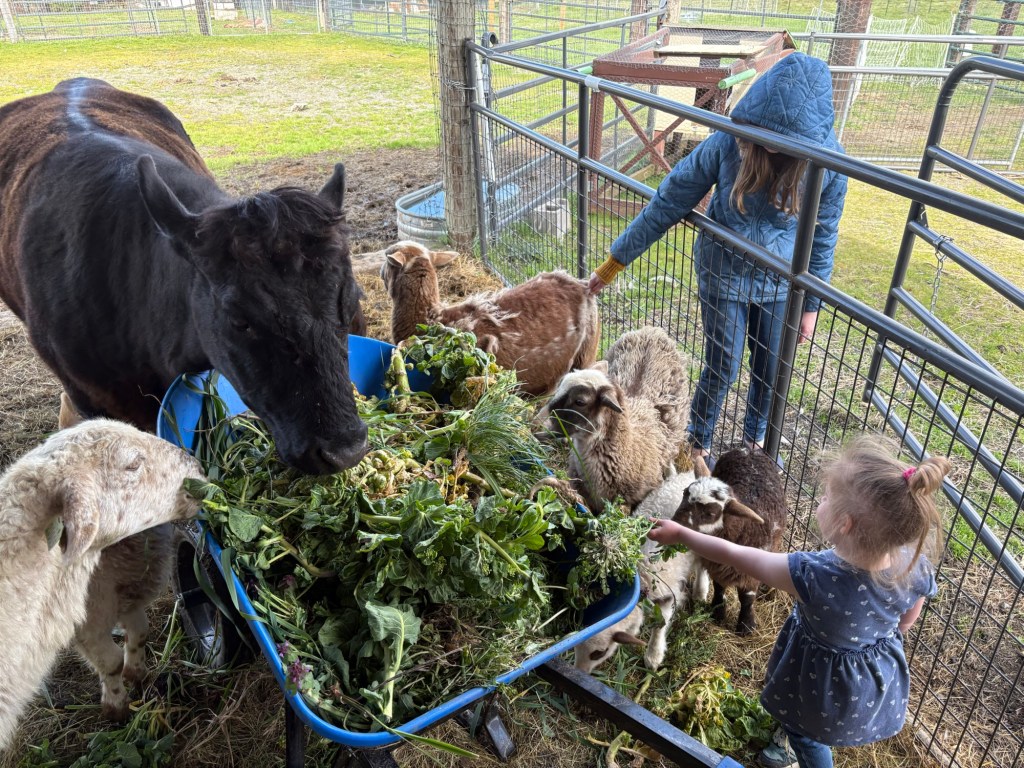
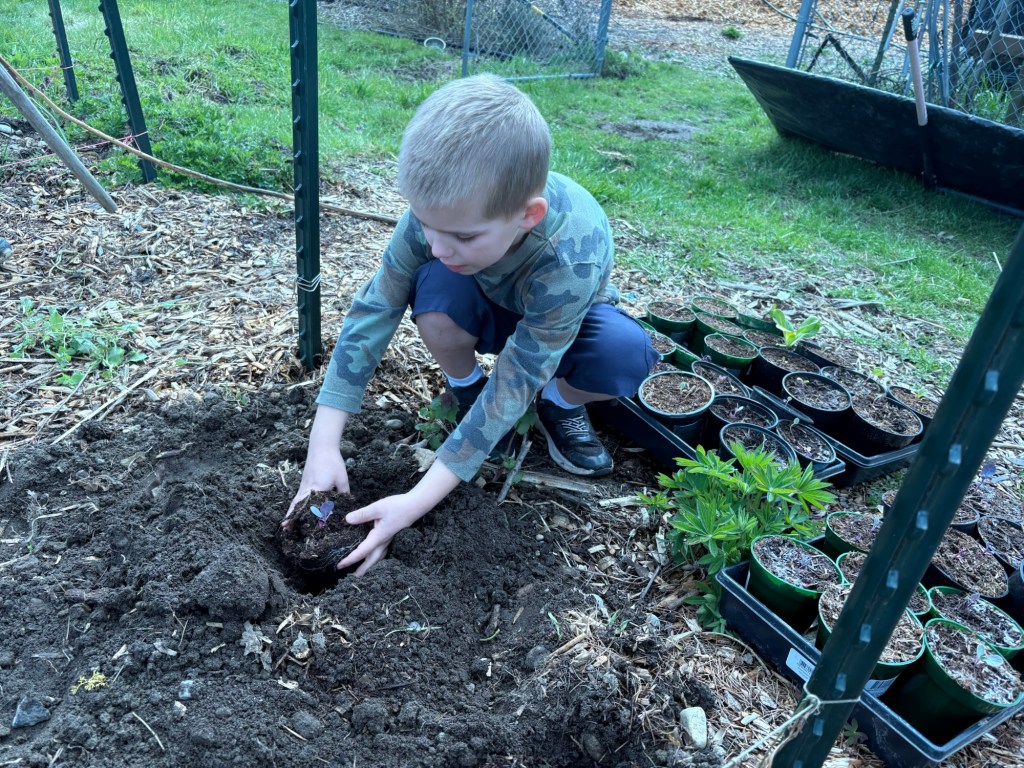
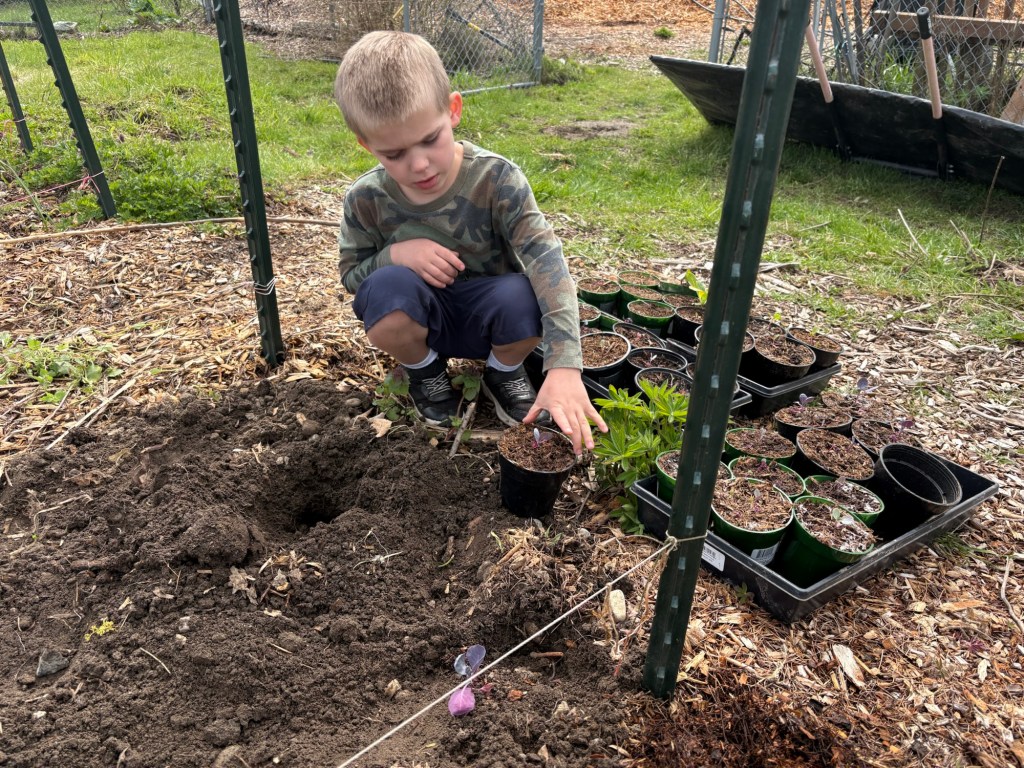
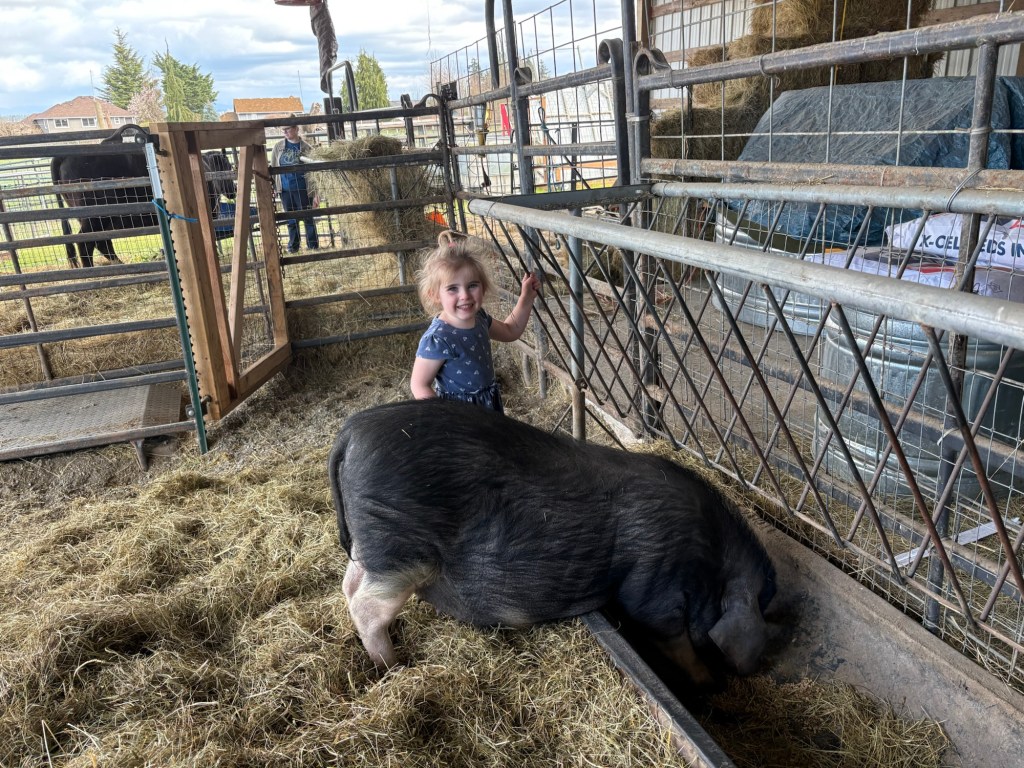
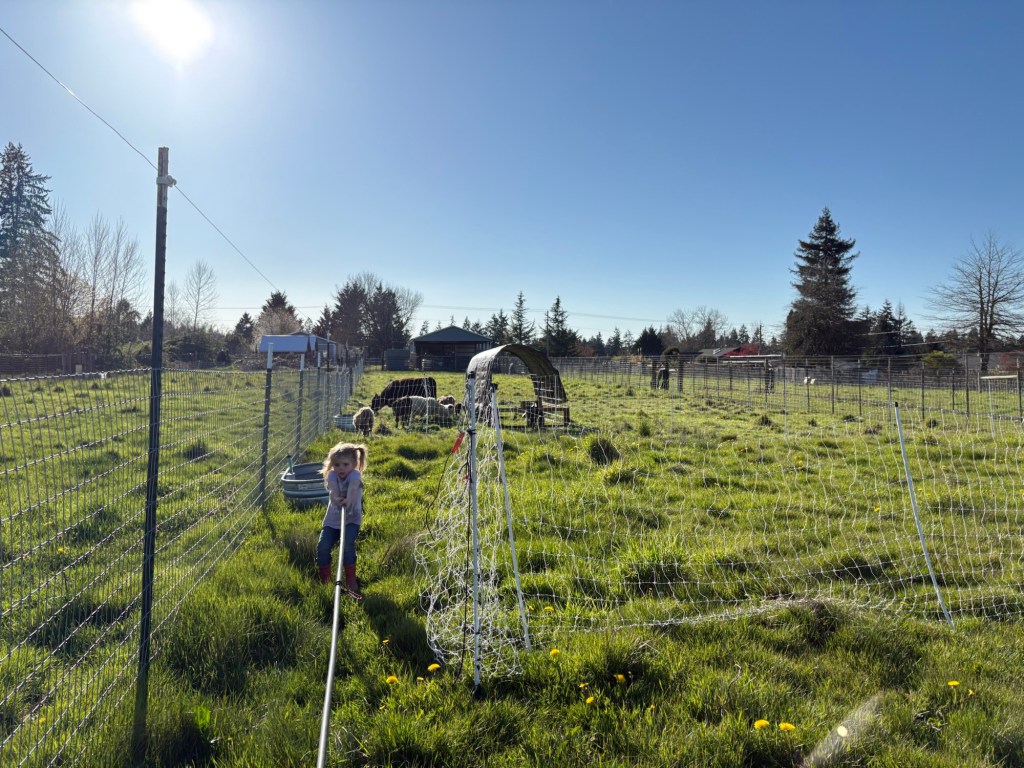
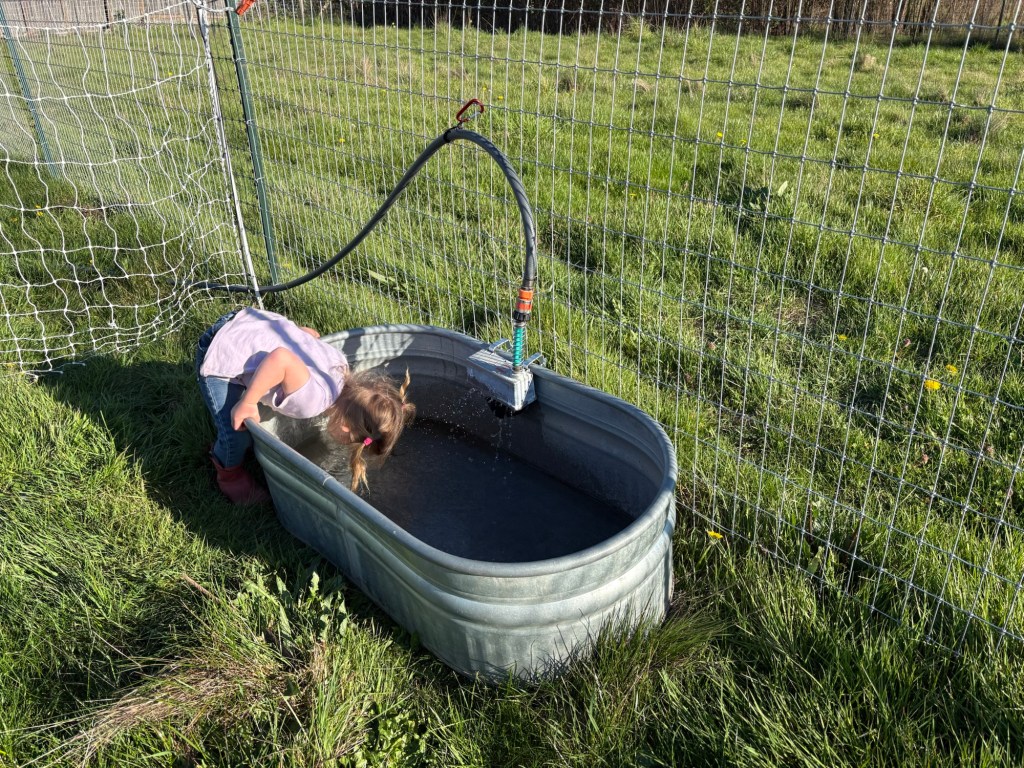
Putting in the first tray of brassicas, feeding weeds to the critters, and petting Gertrude.
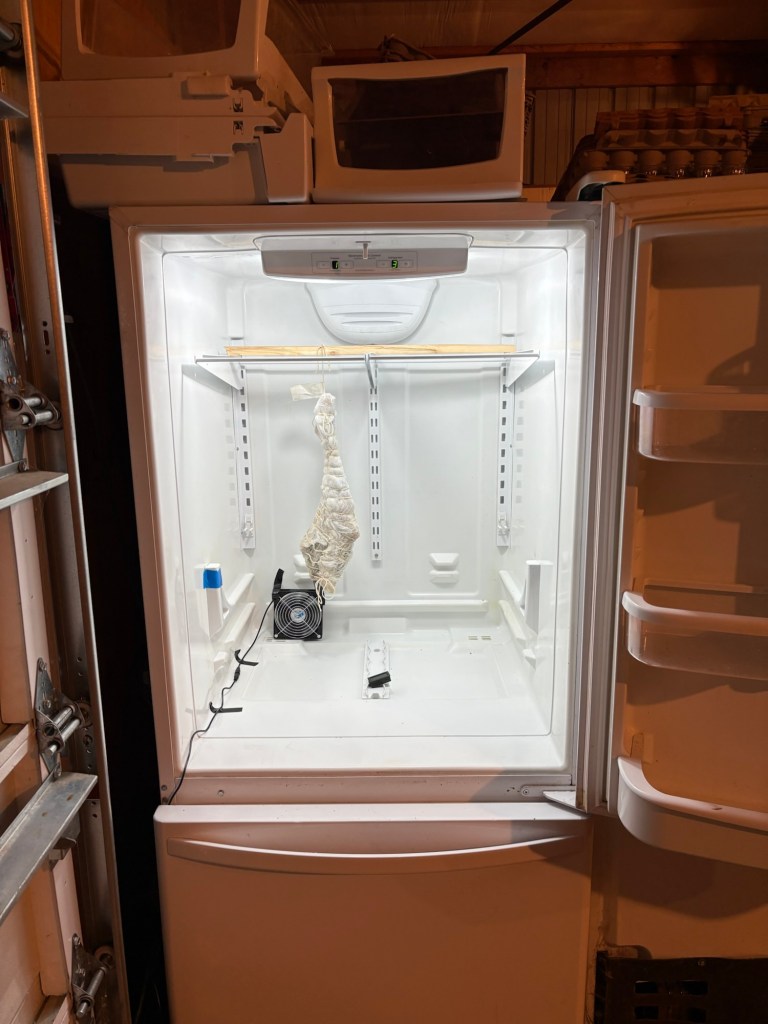
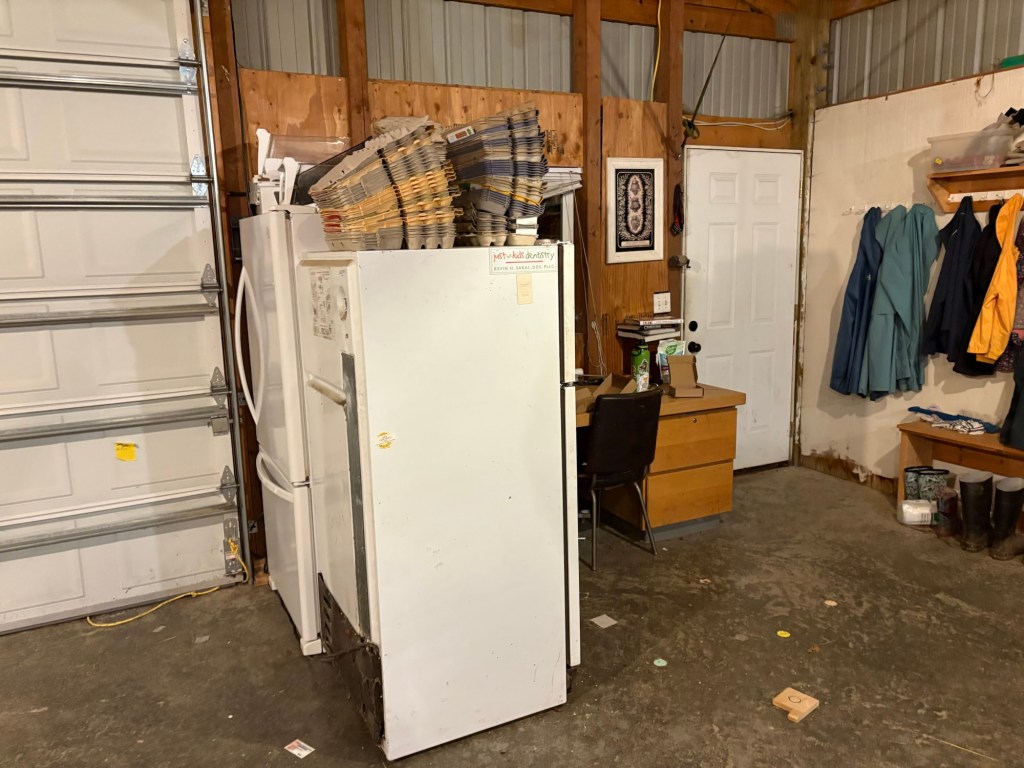
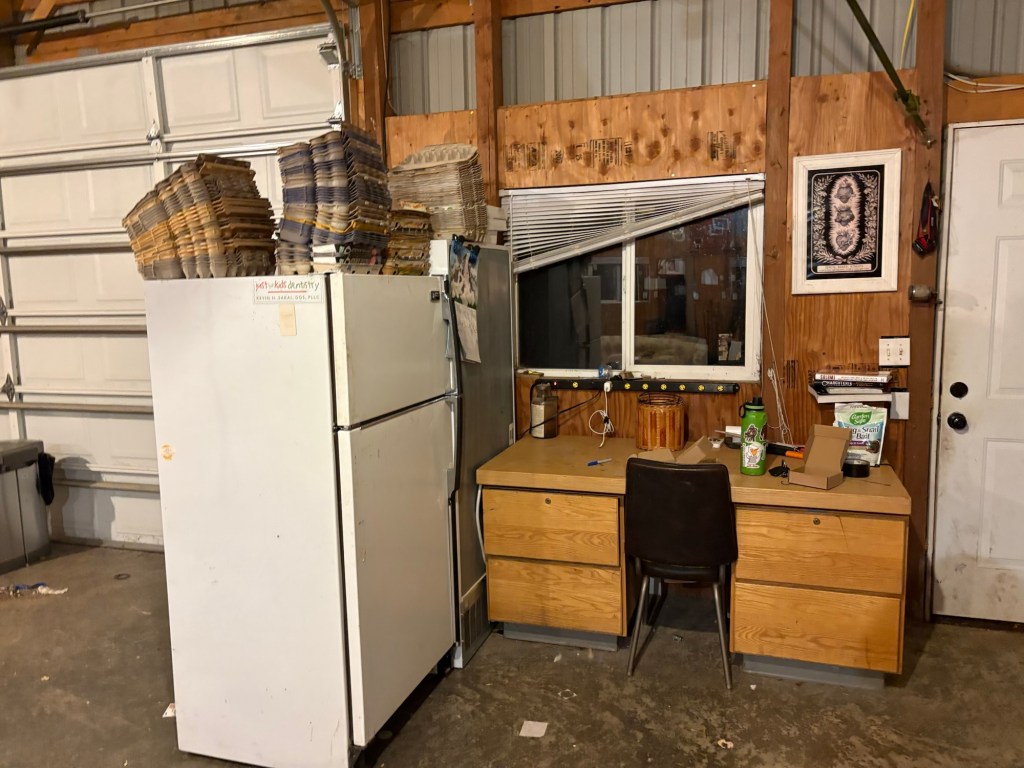
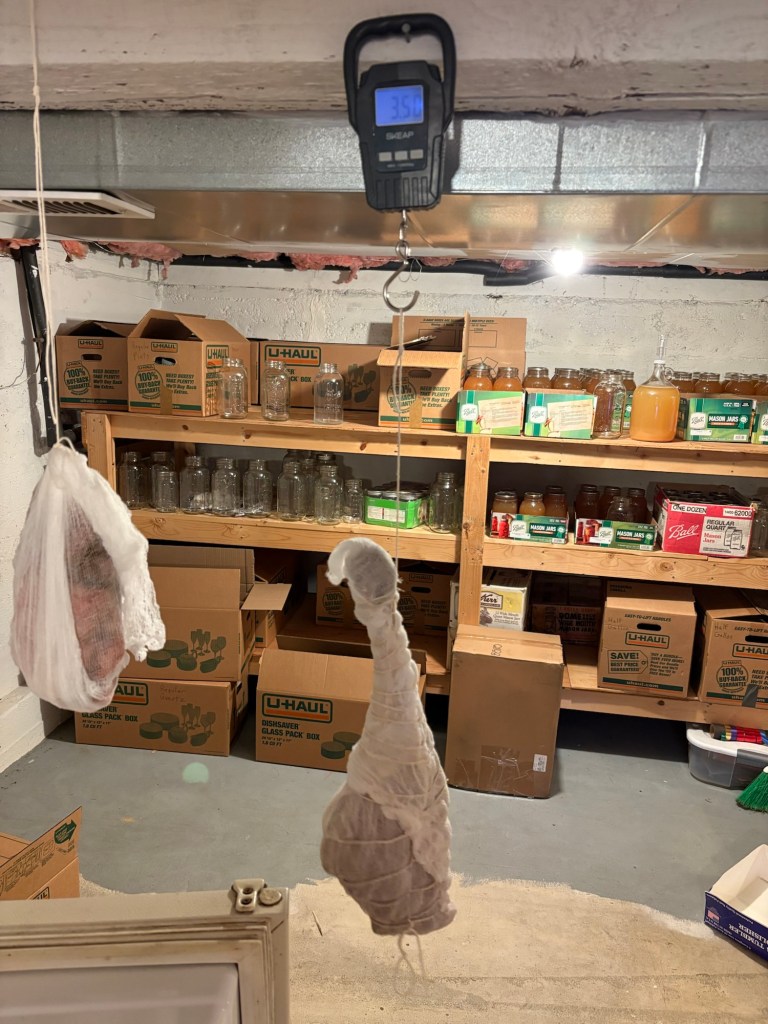
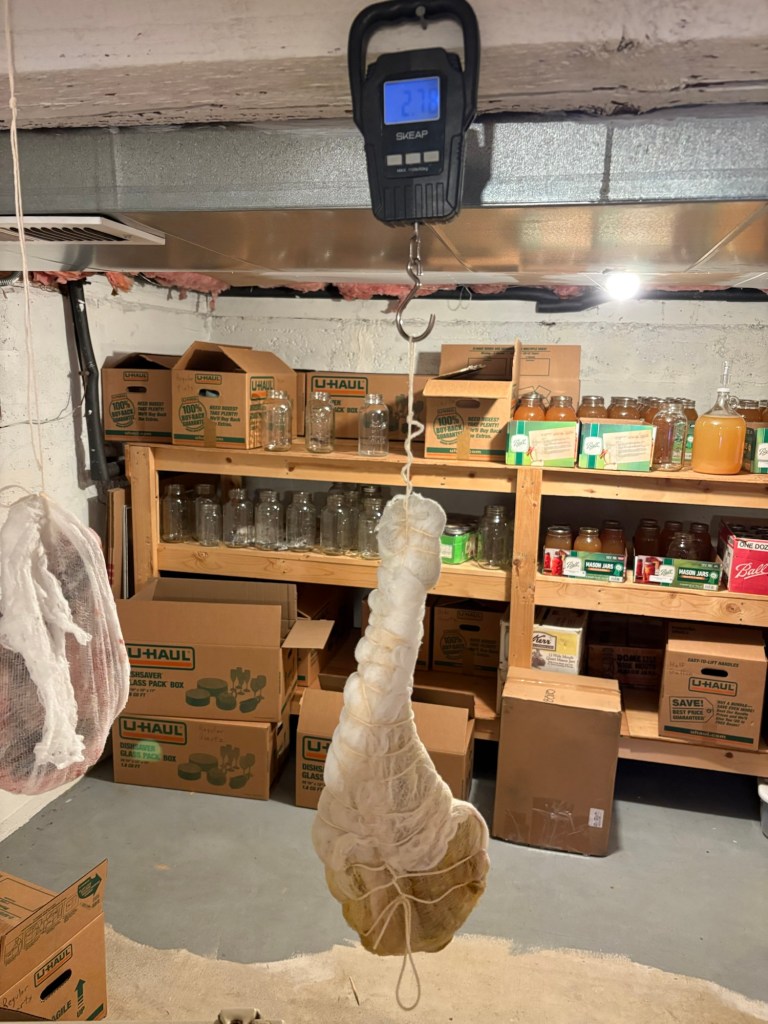
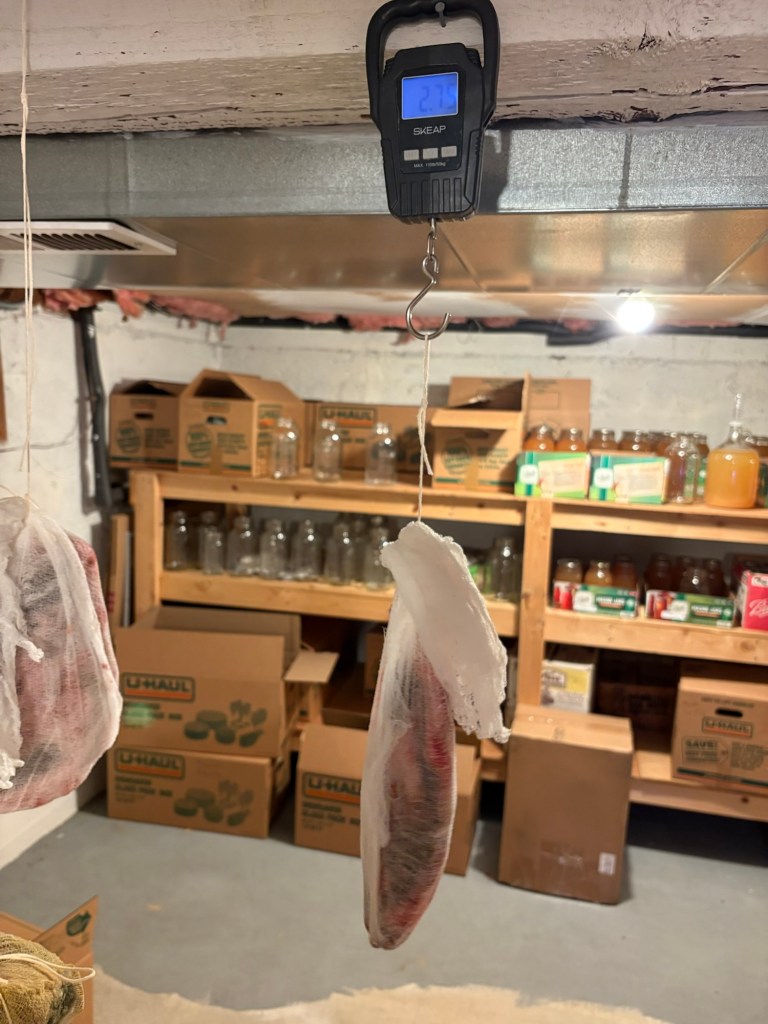
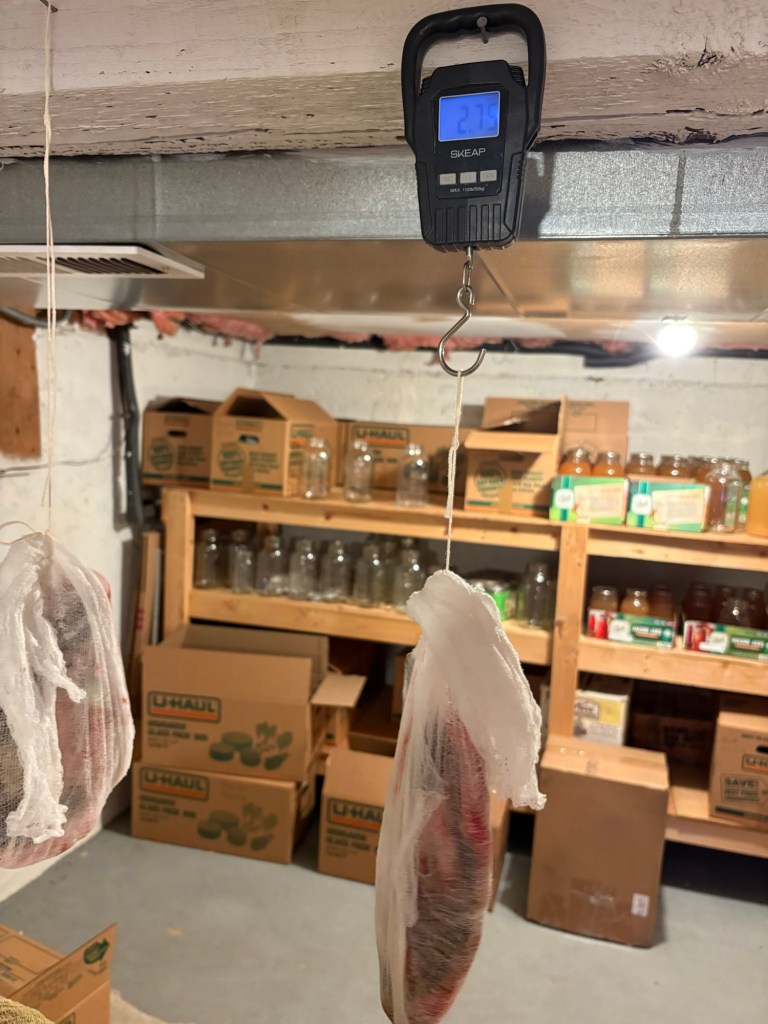
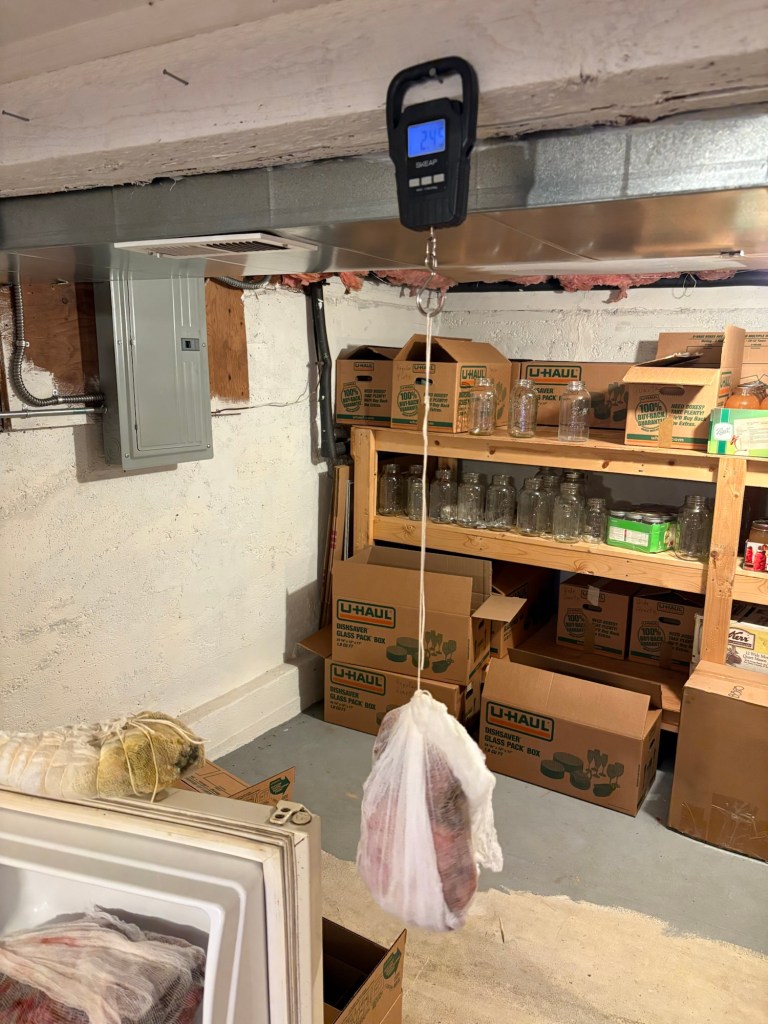
One of the advantages of having an unreliable refrigerator is that we can re-purpose it. By turning it all the way to the warmest setting, it won’t freeze up again, and can now be the perfect aging chamber for our cured meats. We now have three legs of lamb that have finished curing and are now moved to the refrigerator to age. The guanciale is still in the basement curing, but it should hit its target weight in the next week, and then it will go in the aging fridge to age. The aging fridge has a cheap compute fan in it running constantly at a low setting to keep air movement (this reduces the risk of mold). There is also a small dish of brine in there to provide a source of humidity so the meat doesn’t get too dry.
The other major change in this area, courtesy of a farm day that was too rainy for farming, is that the door on the egg fridge has been reversed and now opens away from the desk. This is a small change, but should make the workflow of putting eggs into the fridge easier.
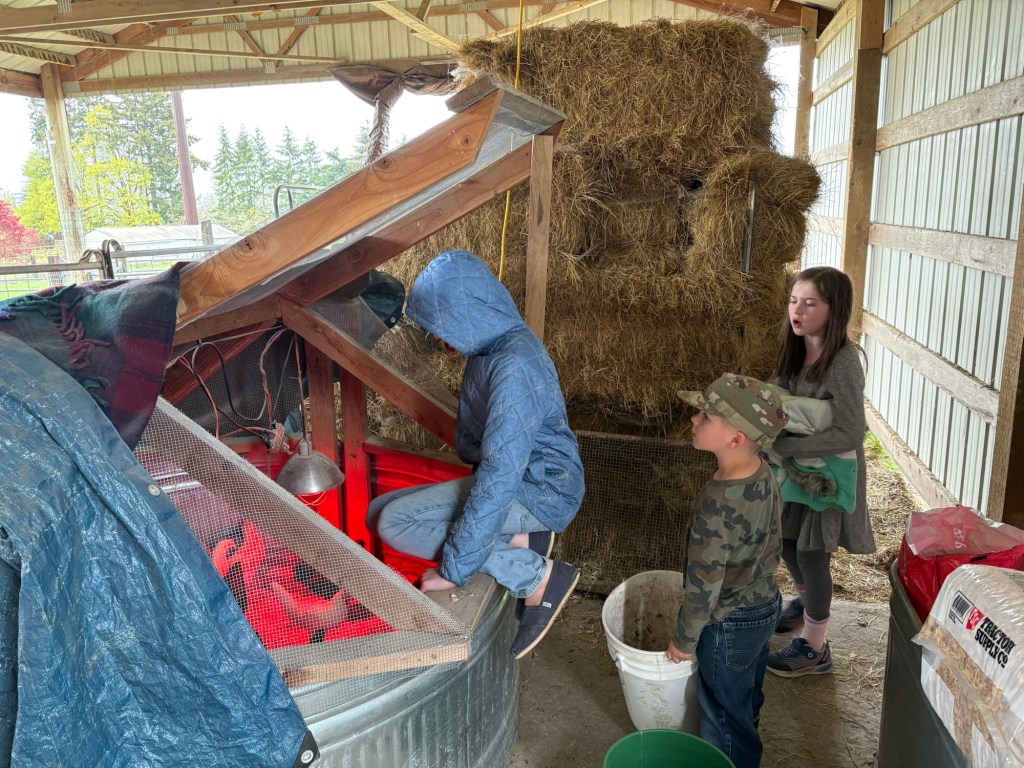
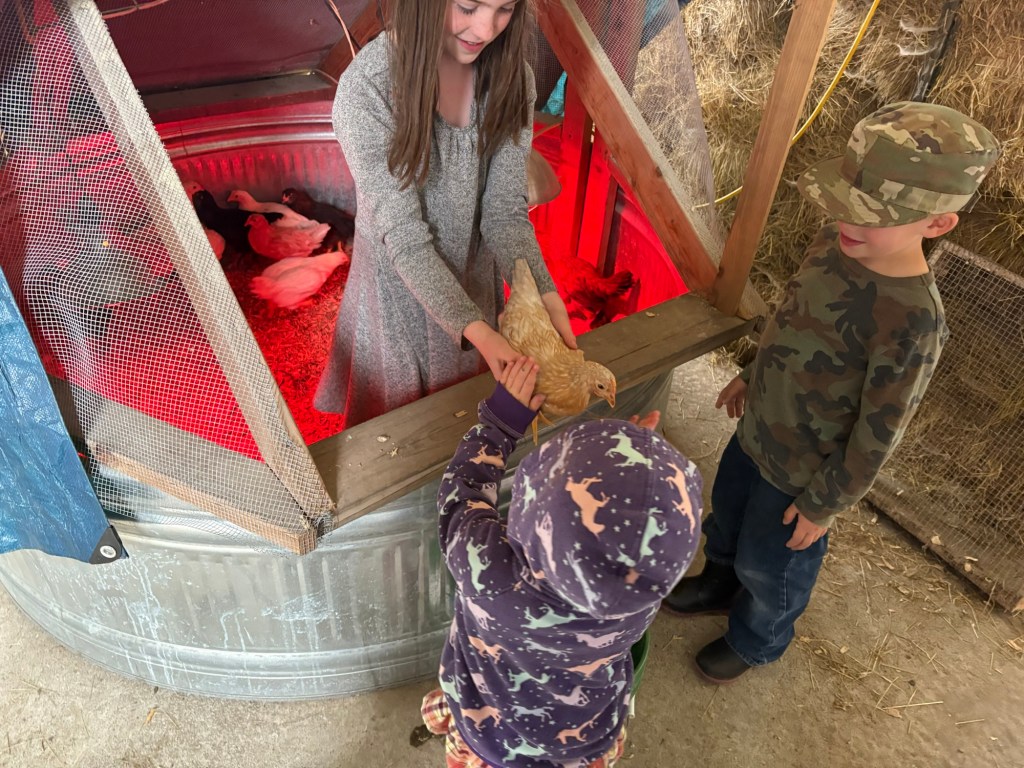
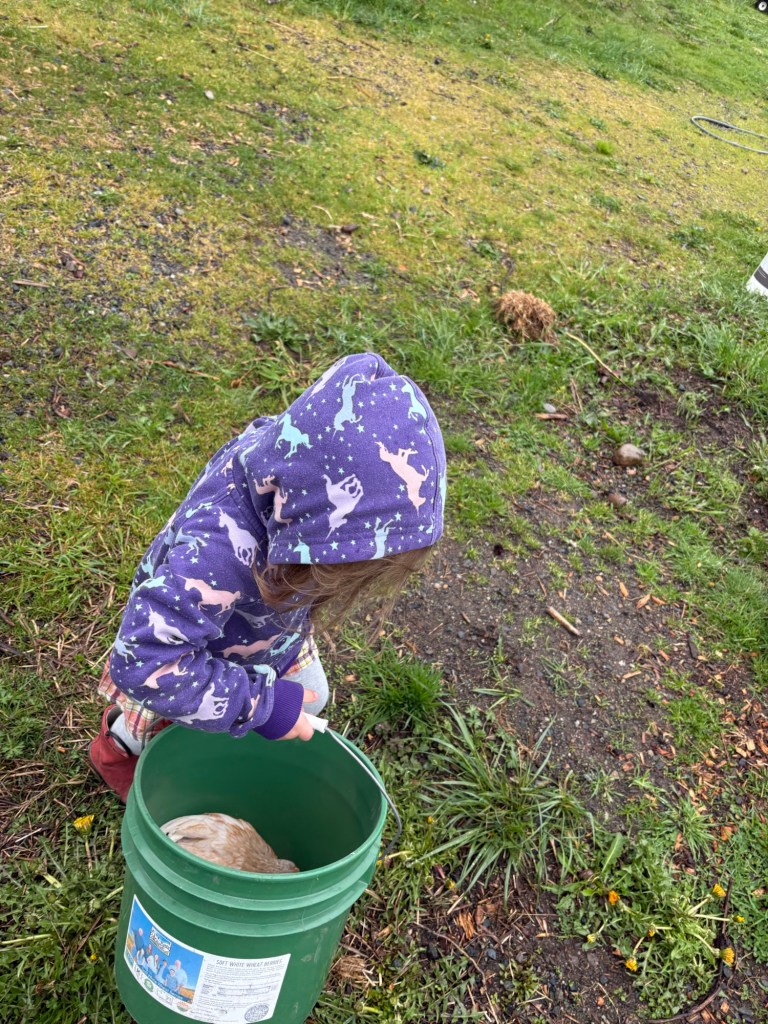
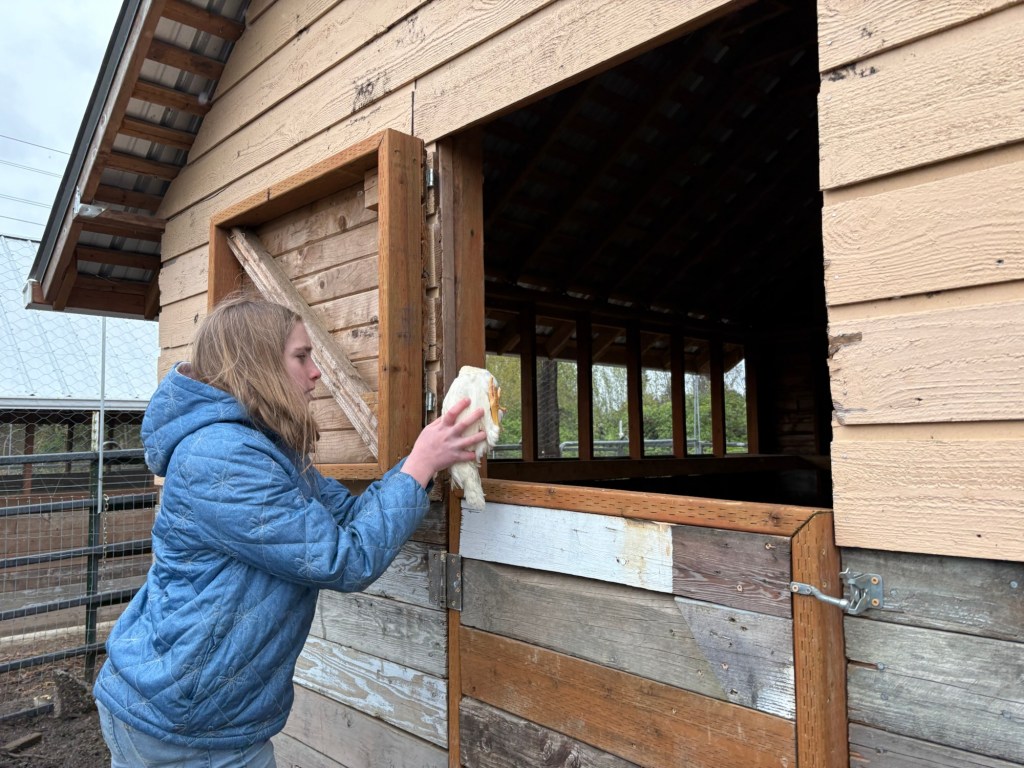
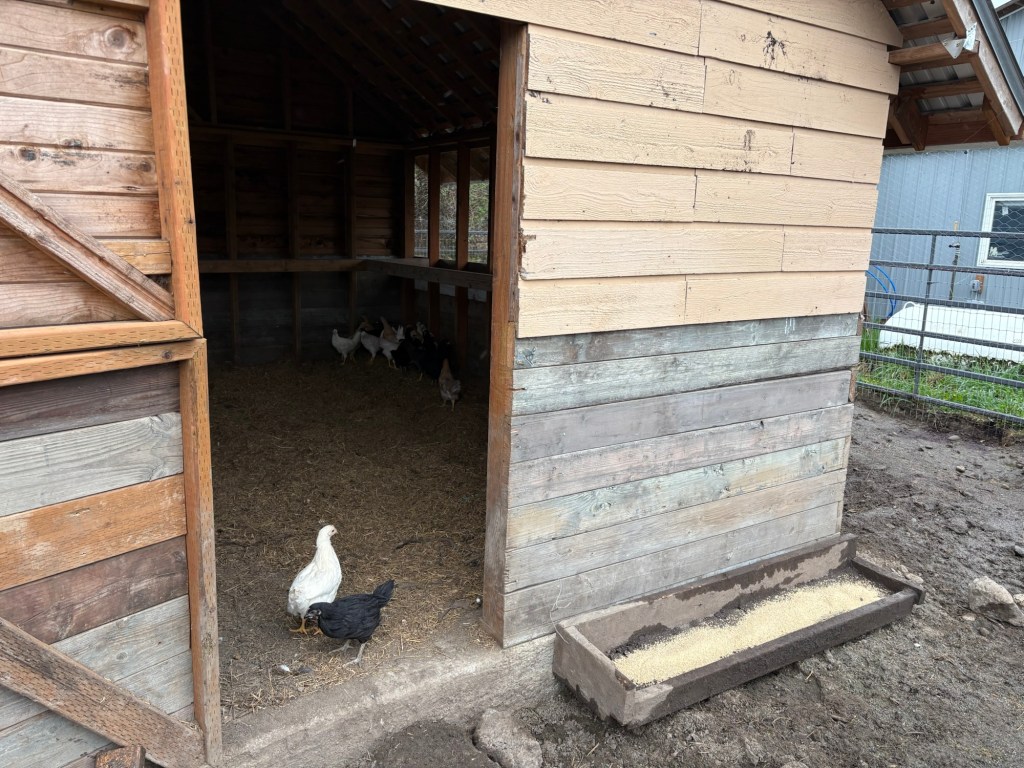
We moved the new chickens into the spare hen house to get used to being in the great outdoors. They have already begun mixing themselves in with the older flock. Once we have them all leg banded, we will integrate them all together. The banding is so that we can separate them by year group, and know which ones to cull in three years.
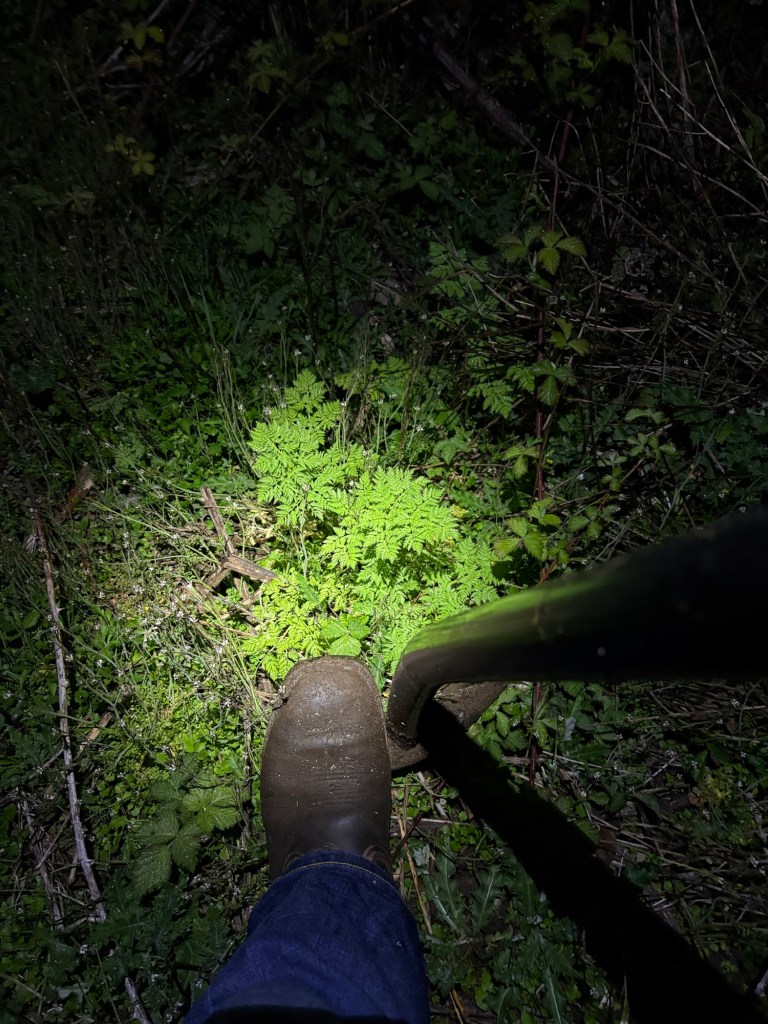
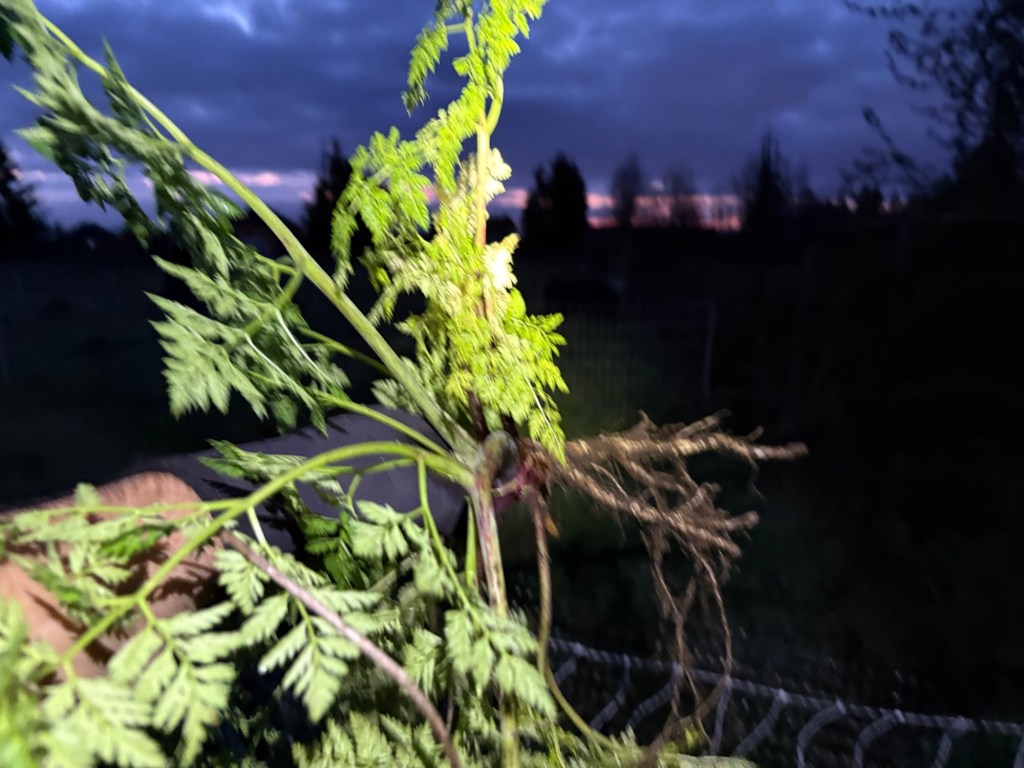
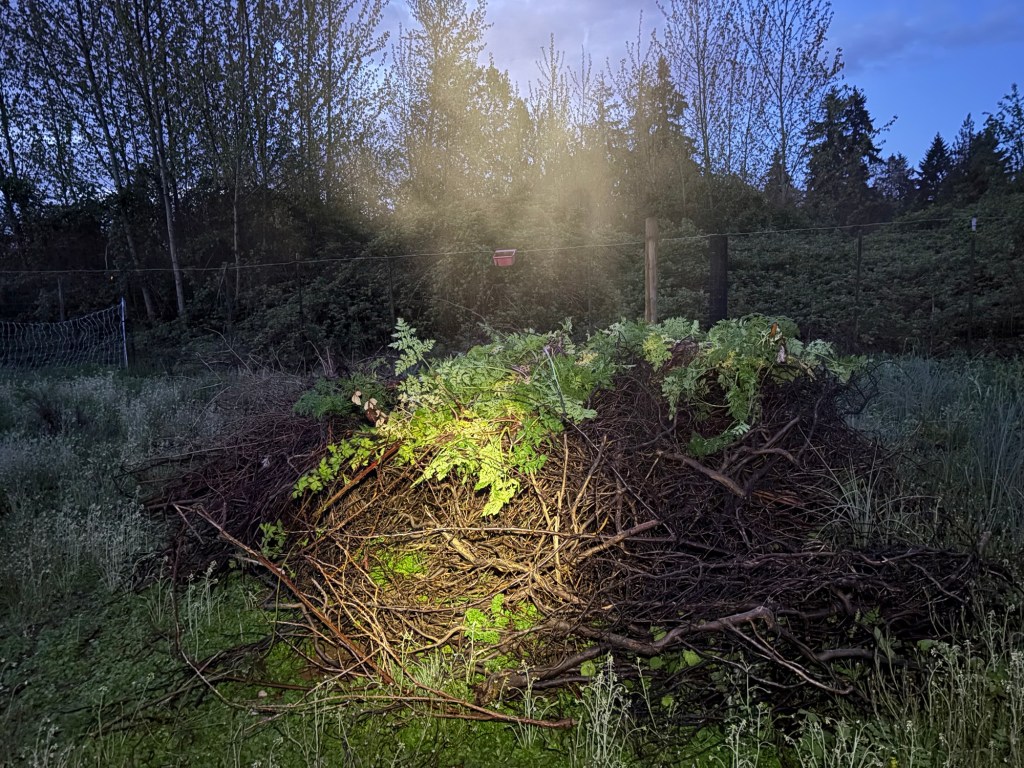
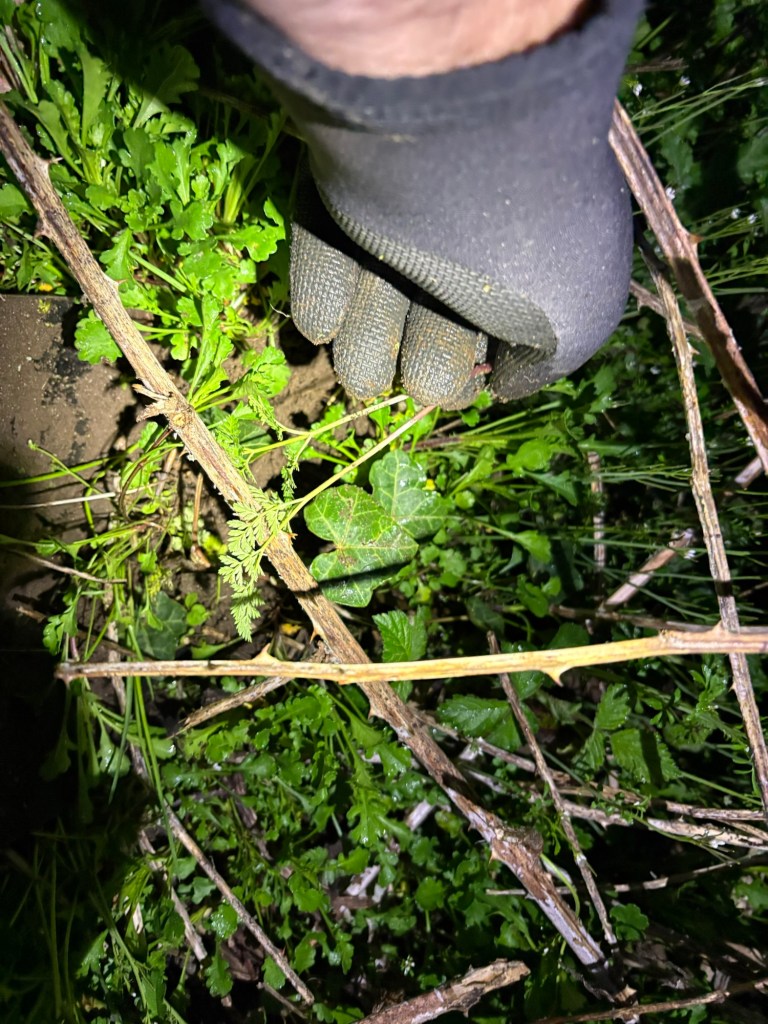
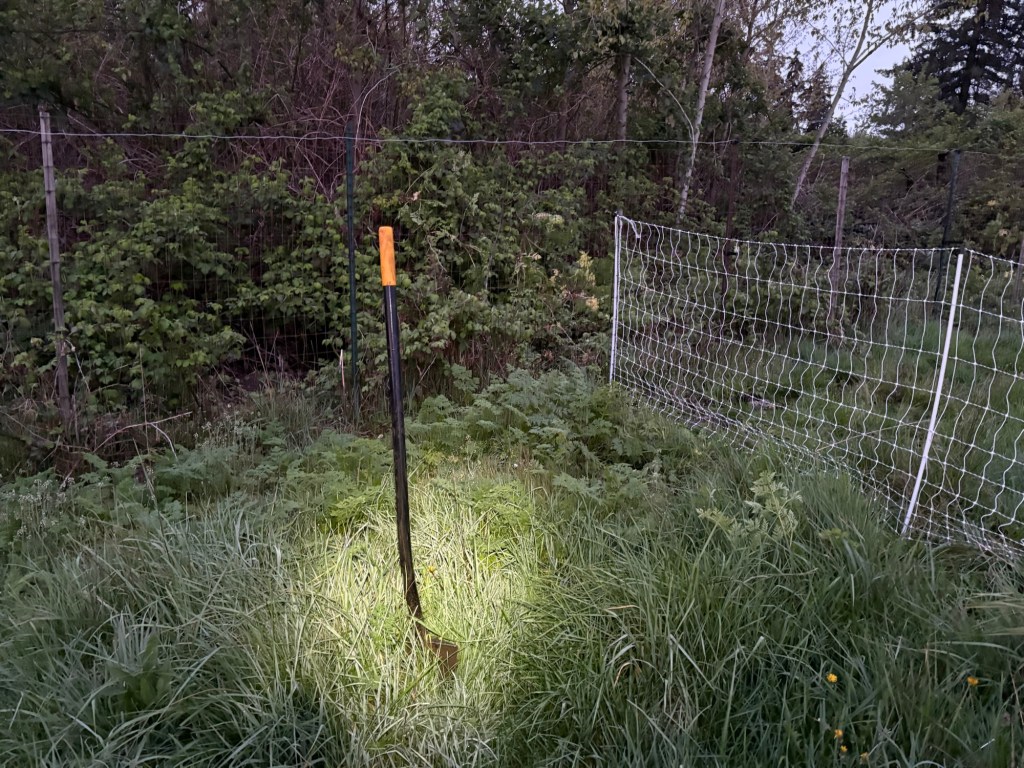
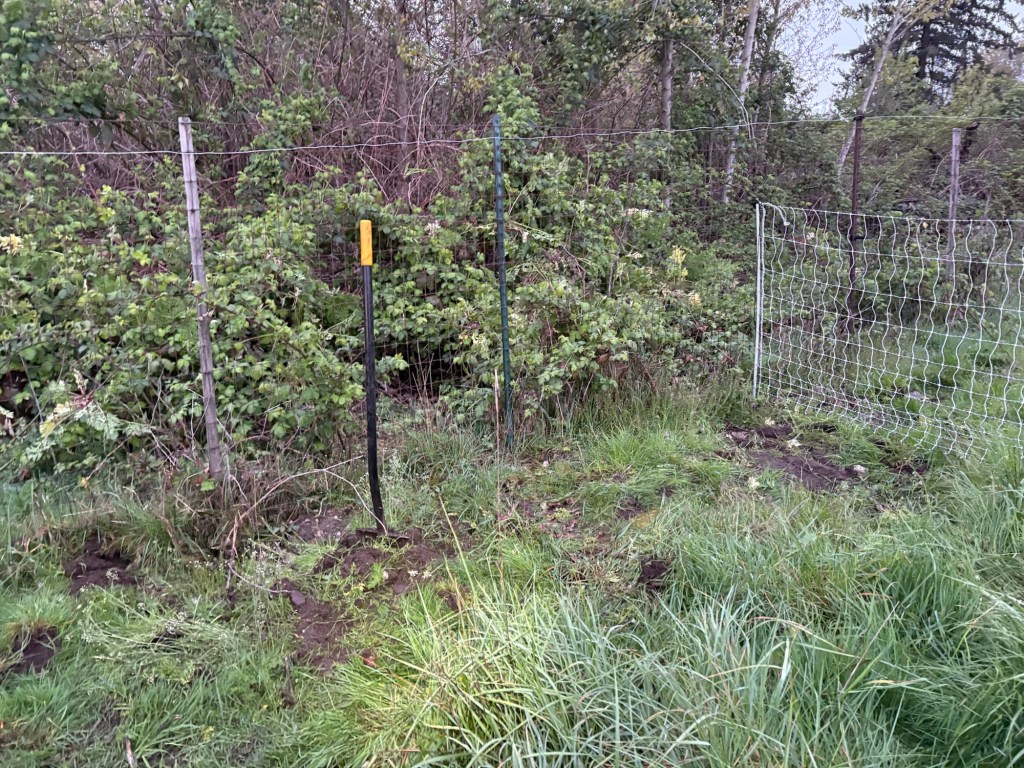
This was work for several early mornings. Before we put the sheep and cows into this paddock, I went through and dug or pulled all the hemlock I could find. The animals will not eat the stuff if they have any choice, because it tastes bad. However, if there is too much of it, and they have not enough other stuff, they might be tempted to nibble, and with the number of babies we have, that could be disastrous. Also, the cardinal rule of hemlock is NEVER let it seed. Whatever else you do, never let a seed head form. Ever.


1 thought on “Three Week Update Post”