
And the Lord God planted a garden eastward in Eden; and there he put the man whom he had formed.
Genesis 2:8
Cursed is the ground for thy sake; in sorrow shalt thou eat of it all the days of thy life; Thorns also and thistles shall it bring forth to thee; and thou shalt eat the herb of the field; In the sweat of thy face shalt thou eat bread, till thou return unto the ground; for out of it wast thou taken: for dust thou art, and unto dust shalt thou return.
Genesis 3:17b – 19
God created man and put him in a garden. Man got himself kicked out.
Originally, the garden was a place of effortless abundance, and work was a free exercise in co-creation. All man had to do was submit to God’s definition of right and wrong, work within the limits of the natures that God had established, and he would live in the midst of abundance and his work would be the free creativity of a child who can spend all summer growing a prize enormous pumpkin because he is secure in the knowledge that all of his basic food is provided by his parents.

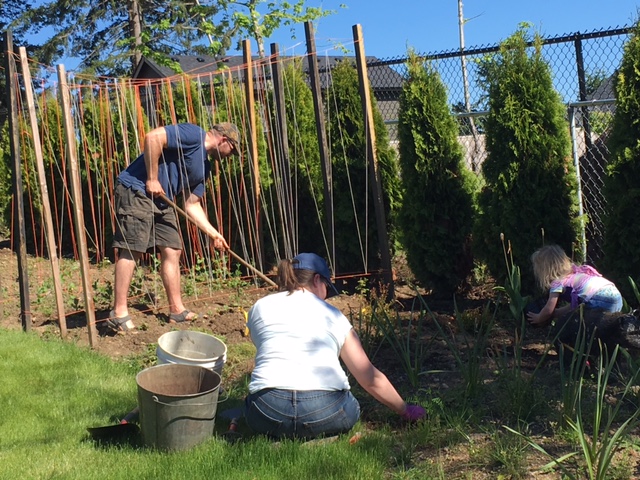

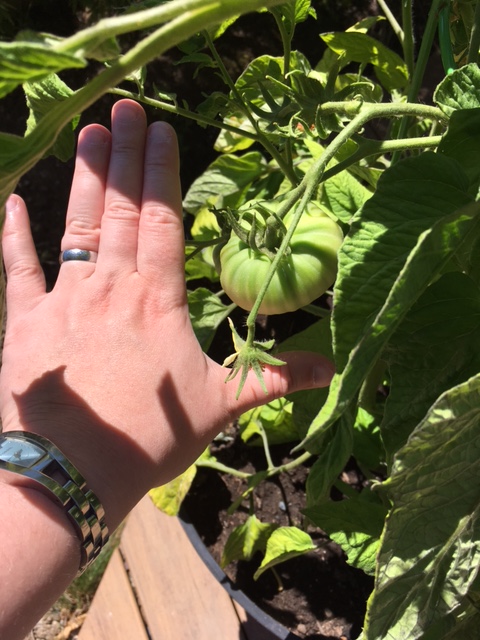
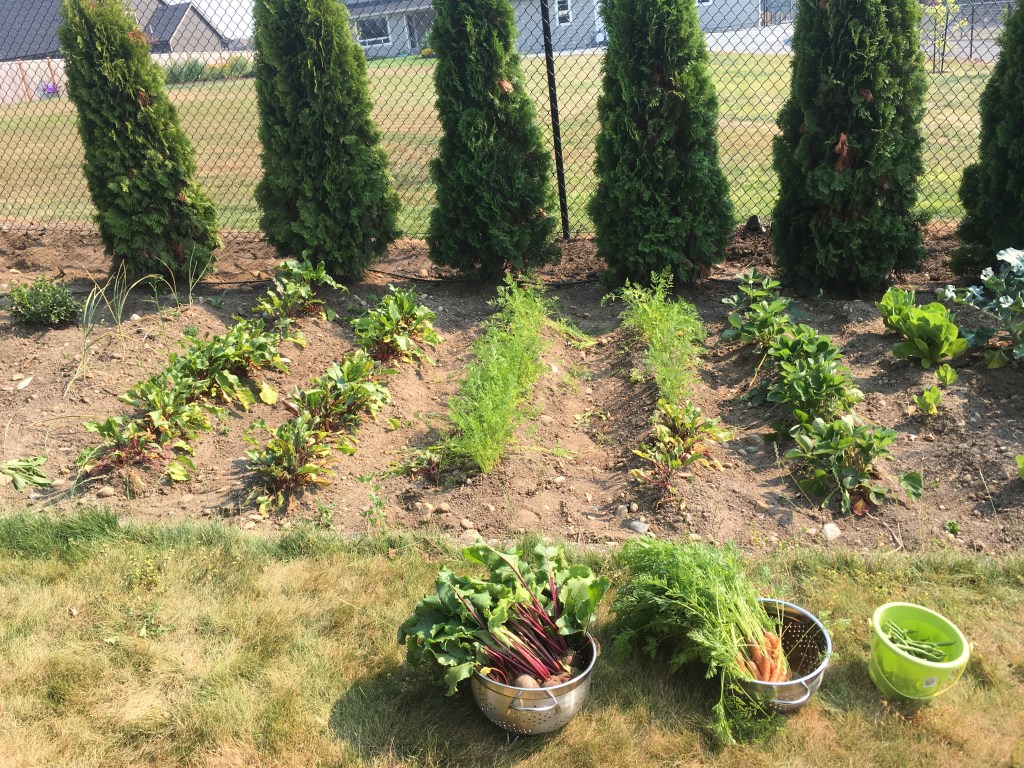
But man did not respect these limits. He grasped at the ability to define those limits for himself, to define for himself what was right and what was wrong. The result was that he cut himself off from the source of all true knowledge of what is really right and wrong. This had repercussions in the physical world as well as the moral world. The garden no longer effortlessly yielded him its fruits. What before was joyful exuberance was now toil and drudgery.
Of course, there was another Man, in another garden, who surrendered Himself to God’s will and accepted death, and so redeemed the whole human race.
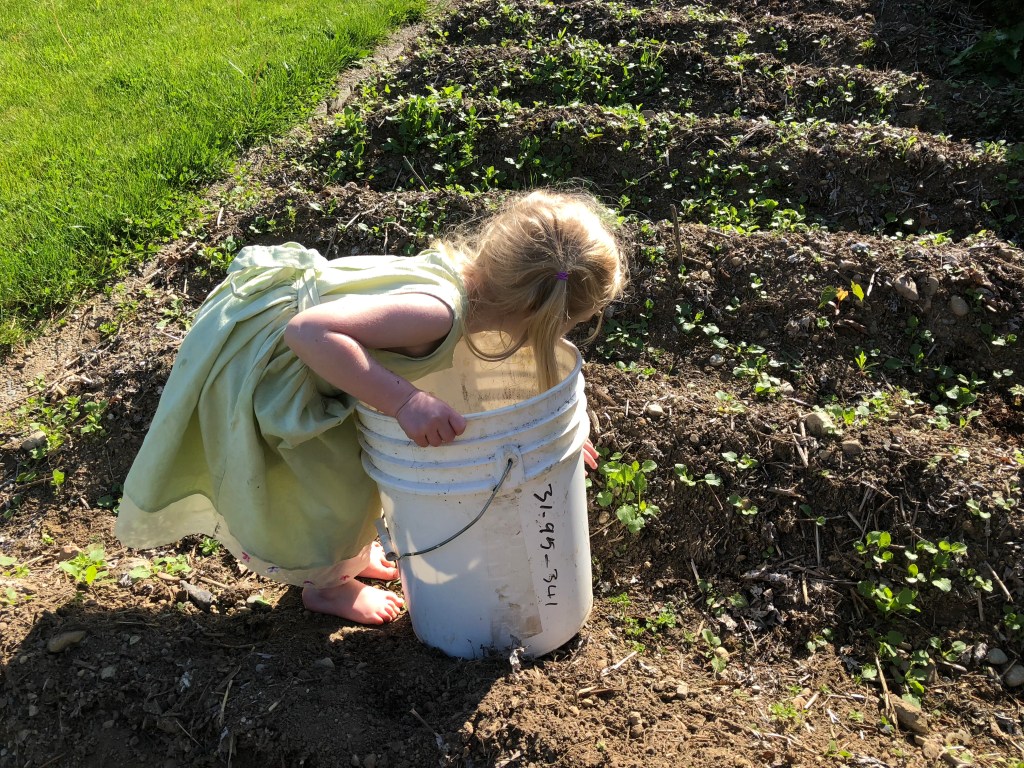

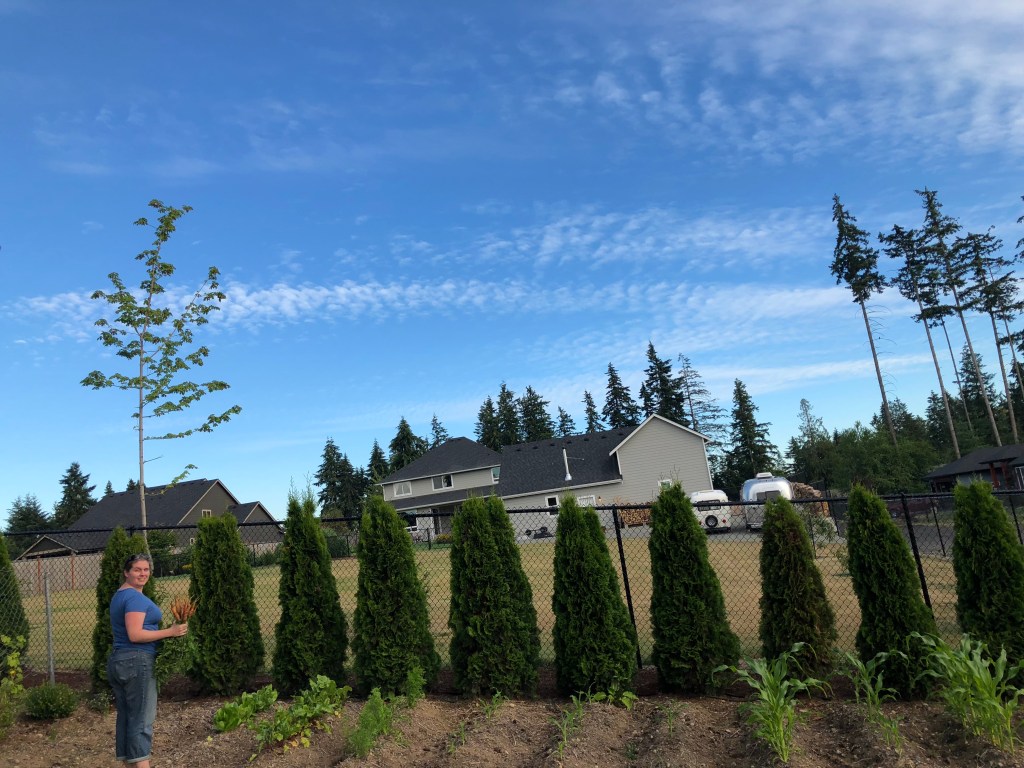
A garden is hard work. There is no way around that. It does not grow and flourish without human effort and management, and that management is not on a human schedule, but on the schedule of the plants, the weather, the seasons. Much of the rise of modern technological agriculture has had as its goal the mitigation of the effects of these external factors. We don’t want to weed so we modify our plants to be immune to an herbicide that kills all the other plants, then we spray that herbicide on the field so the only living plants out there are our preferred crop.
Agricultural technology aims to remake the garden after the pattern of a machine, where all inputs are controlled. This reduces the amount of time that humans have to spend working with the machine. We press the “on” button when we plant, then the “off” button when we harvest, and ideally in between we need only minor tweaks to an otherwise automatic process.
The focus of all of this is to reduce the amount of labor that farming requires so that more farming and gardening can be done by fewer people. Beyond that I am not sure we have an end game.
In 1900, just under 40 percent of the total US population lived on farms, and 60 percent lived in rural areas. Today, the respective figures are only about 1 percent and 20 percent.
Jayson Lusk THE EVOLUTION OF AMERICAN AGRICULTURE
So fewer and fewer people are farming. This, to me, begs the question, what are they doing with their time? Every time someone tells me they have found a way to save time I immediately want to know, “saved from what? For what?”
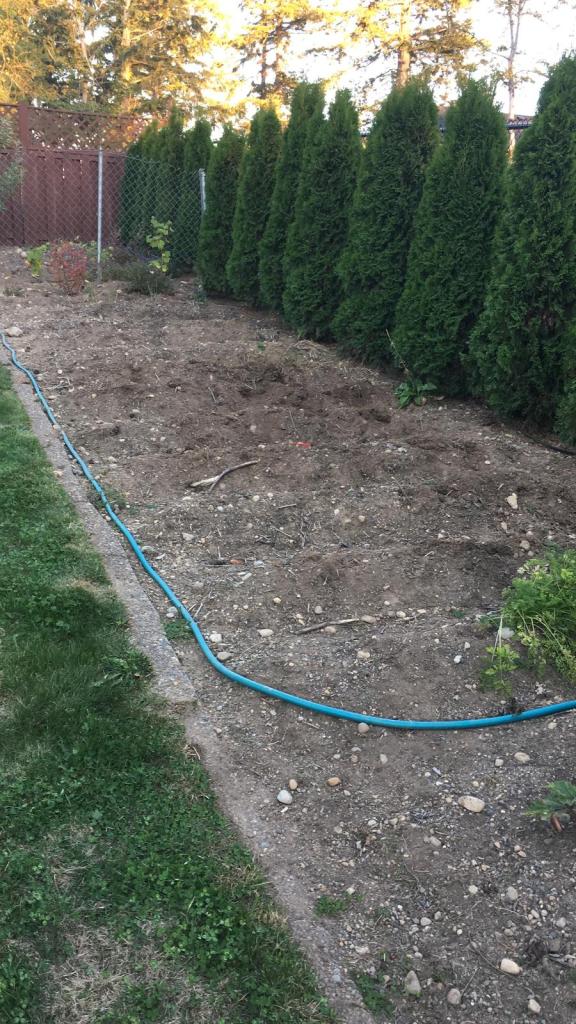
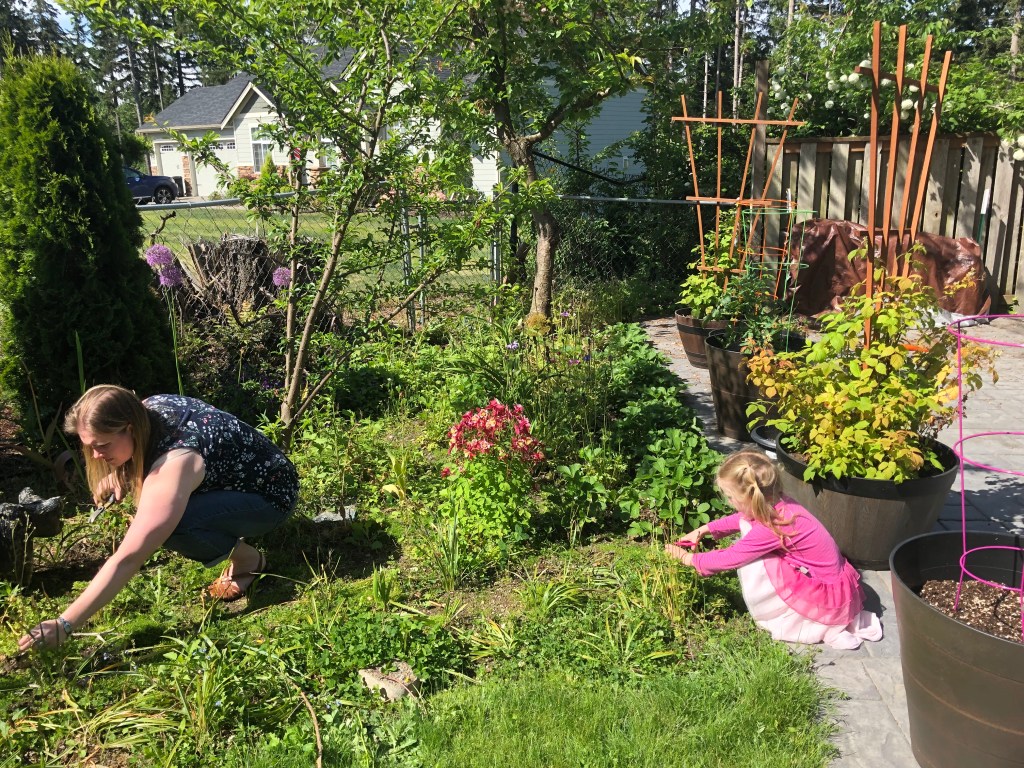
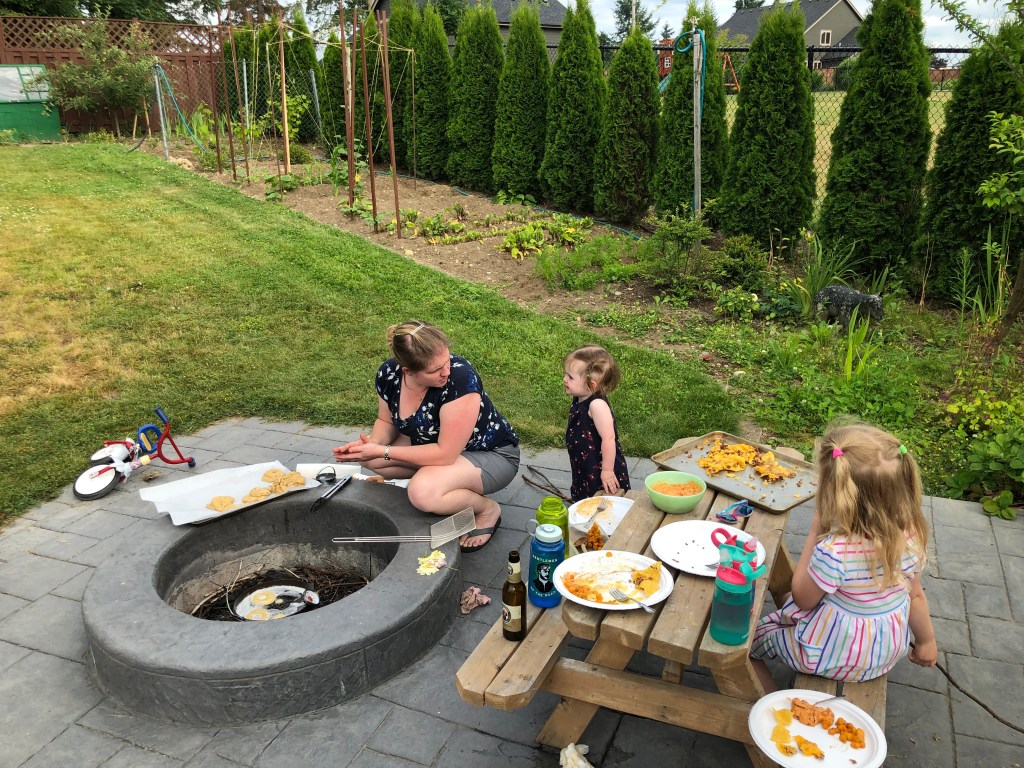
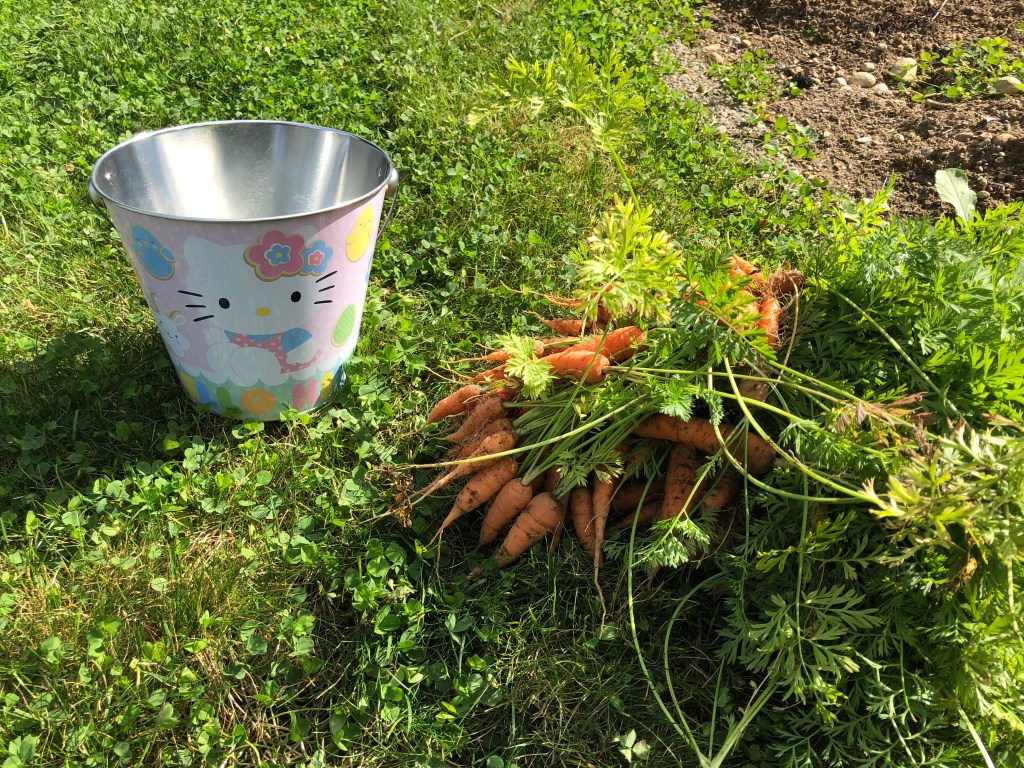
There has long been a trend in the U.S. and around the world towards urbanization. Parents and grandparents who grew up struggling to make ends meet on a farm, grinding it out day in and day out wrestling against the forces of nature, encouraged their children to go out, get an education, make something of themselves.
I do not mean to suggest that this was bad advice. I [Ryan] am exactly a case in point of that. I grew up on a farm, left home to join the Army at 17 because I had no other options financially, made a decent go of it in the Army, learned some skills, then used the Army to pay for further education, got a high paying job and never moved back to the town that I grew up in. You couldn’t pay me to move back there now that almost the whole rest of my family has moved out.
And yet, the grass is not greener. We find that moving most of the population away from the soil, which is the heart of all production, moves them away from an ownership culture into a rentership culture. The emphasis on finding a job that makes money over finding a job that is simply good for its own sake leads us to work long hours at jobs we hate, to produce commodities and services that nobody really needs, so that we can buy products that we don’t even really need, sacrificing our only real goods, time and health, for fake goods that do not now and never have made anyone happy.
So that escalated quickly. This is not the place to dig into the complex array of systemic factors facing us in the West these days. Nor am I a hard and fast ruralist. While I appreciate the back to the land homesteading movements, and believe that, in general, society would be better off if more people lived on and worked then land than otherwise, still, it is neither possible nor desirable for everyone suddenly to quit their jobs and move to the country and buy a farm.
Enter the Garden
When I left home I swore I would never be a farmer or work on a farm ever again as long as I lived. I was going to be a great war hero and a world famous writer, and I would never hoe another row of beans or milk another cow. Then, after almost 15 years of knocking around the world doing Army stuff, writing a little bit in a small way but mostly not, I got married. We planted some apple trees and a plum tree and a row of peas along one side of our little back yard. The peas grew like crazy! It was so exciting watching them come up and blossom, to watch the bees and hummingbirds feasting, to watch the peas form and grow, and to taste something that we had planted, cared for and harvest ourselves.
We grew tomatoes in pots. We planted beets in rows. We put in three grapevines in a space barely big enough for one. We started learning about different gardening techniques. Admittedly we were looking for the secret gnostic knowledge that would allow us to have a huge, productive and labor free garden that would require only the easiest and most picturesque work, while producing a year’s worth of delicious organic food.
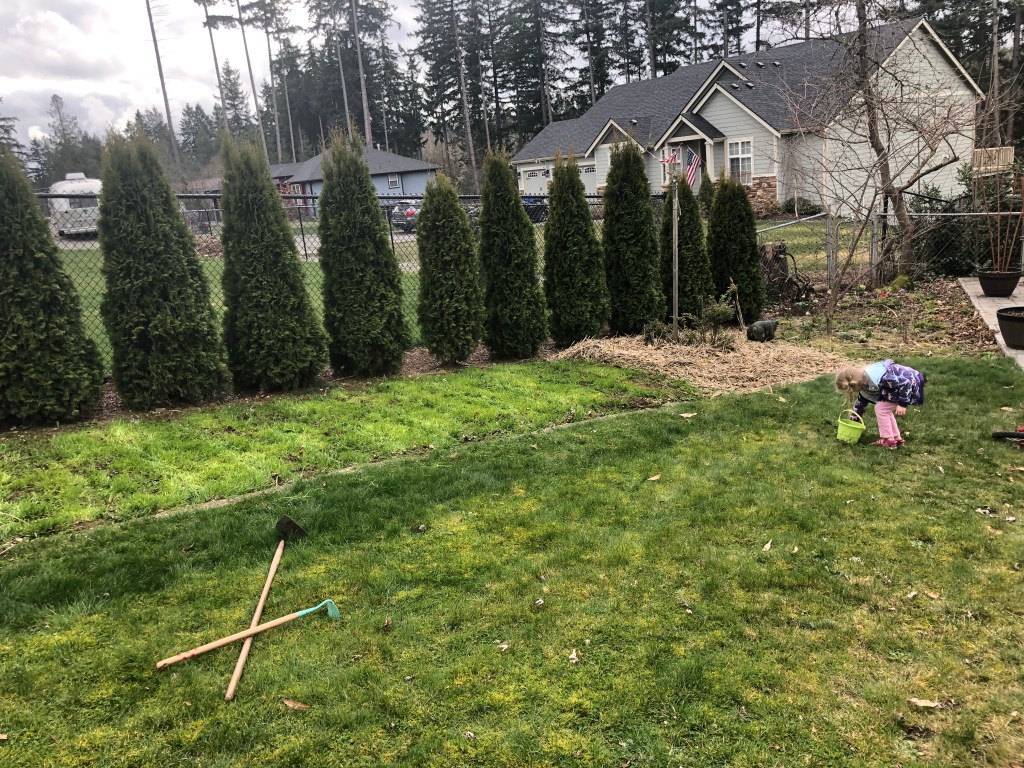
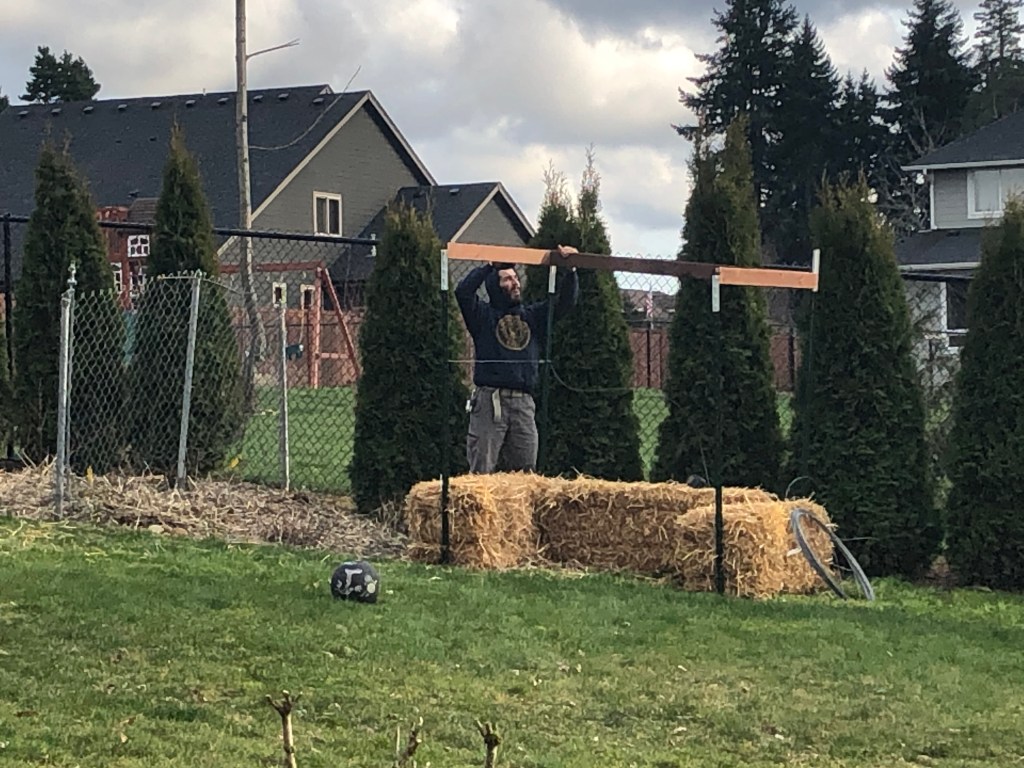

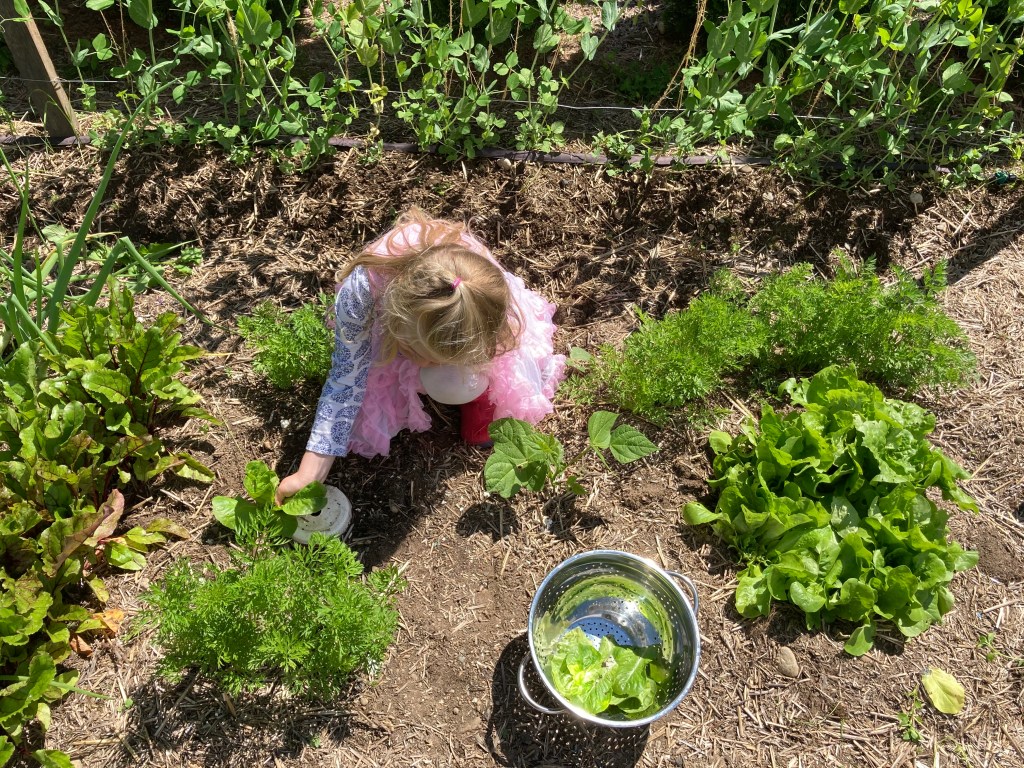
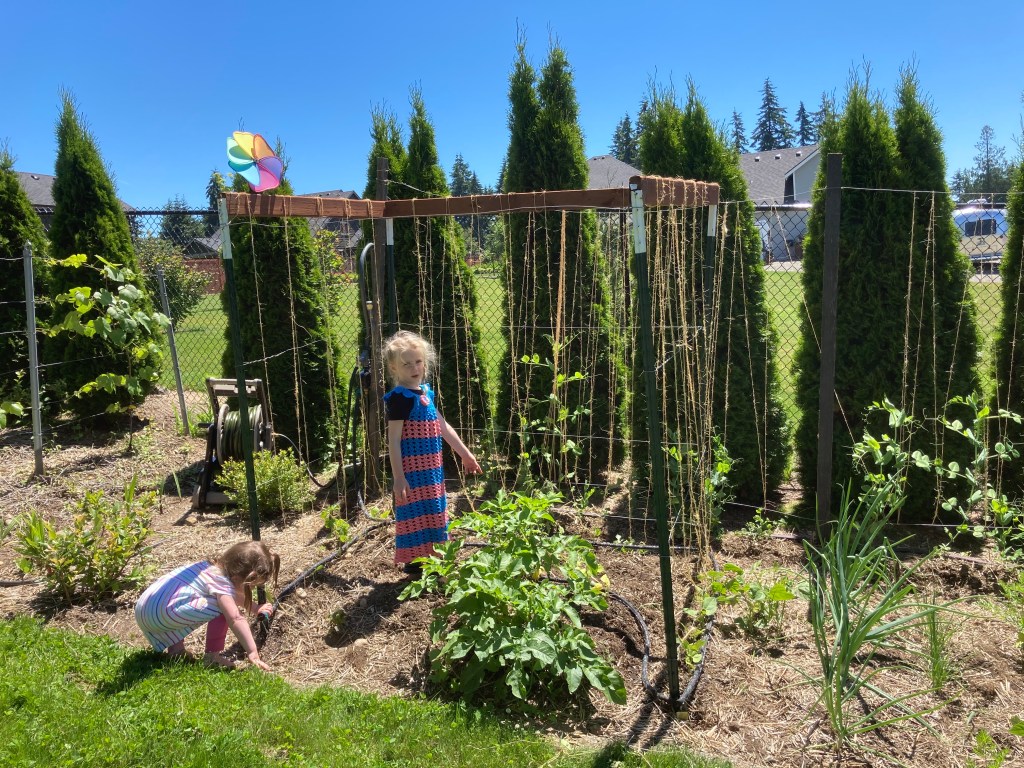
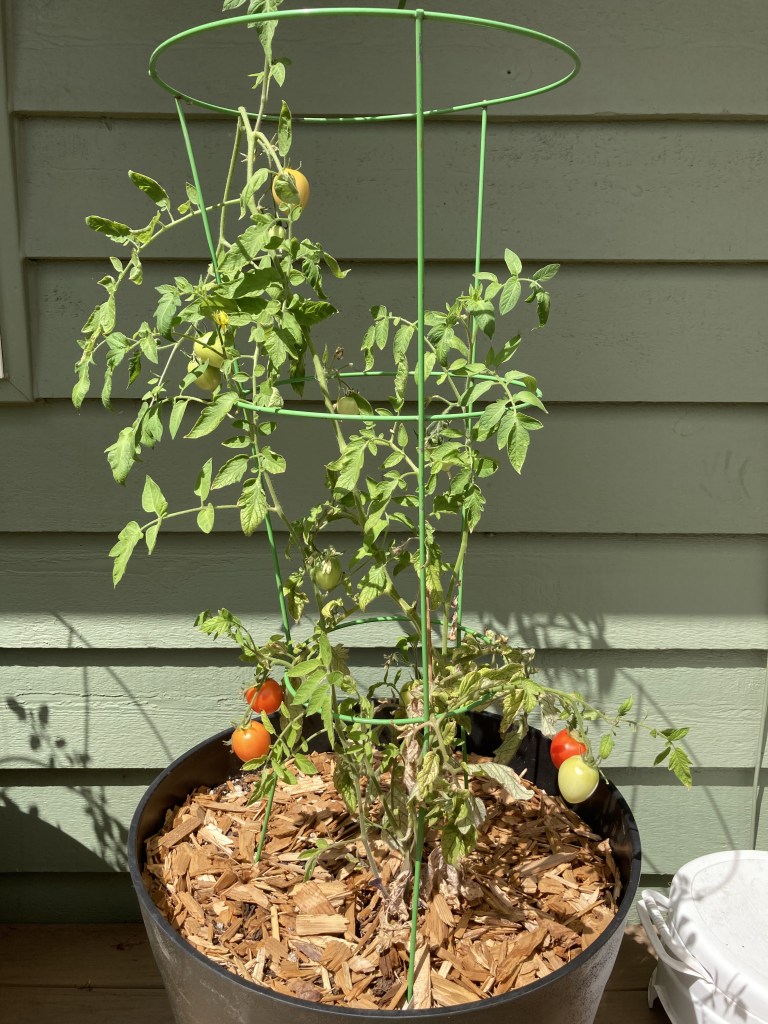
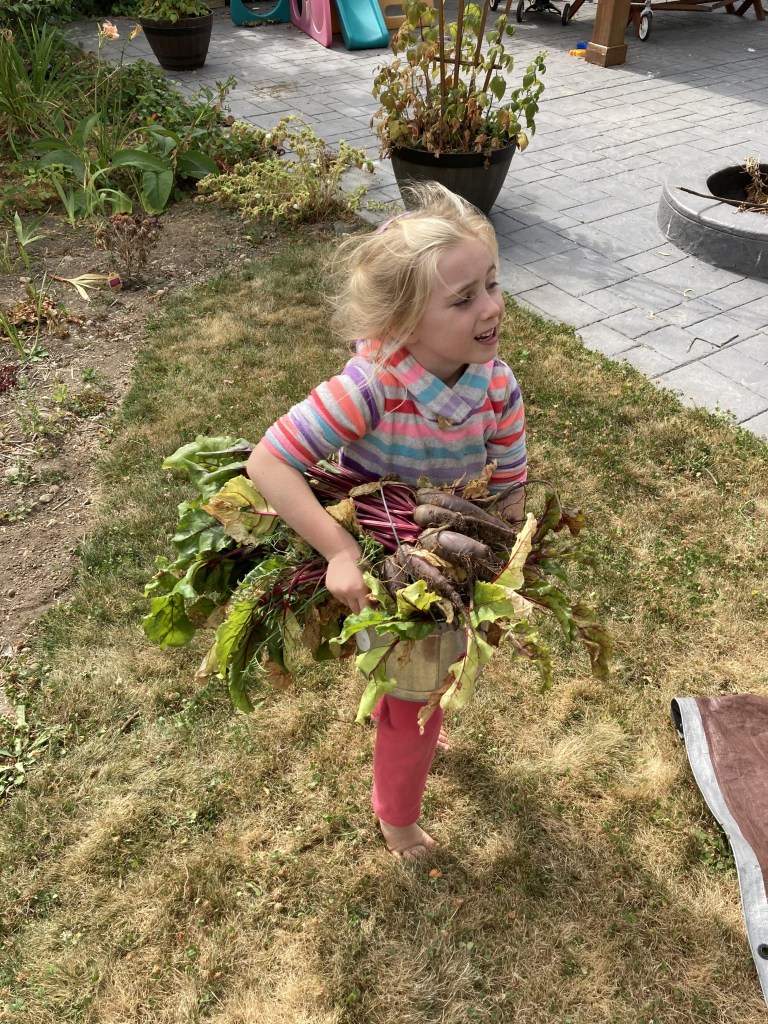

When the pandemic hit we were as infected as everyone else with the “grow your own food or starve when the supply chain collapses” bug. We both come from families that grew up either producing or preserving or stockpiling food somehow (what our grandparents referred to as having a well-stocked pantry) so we were ahead of the power curve, but fear, the fear that was the most widespread and devastating contagion of 2020, spurred us to increase our efforts. We not only increased our garden but began looking seriously for land to build a homestead on.
None of it panned out quite the way anyone expected. The hopeful and the panic-stricken were all alike disappointed. Our well-stocked pantry has turned out to be tremendously useful when unexpected company comes over, but has not saved the day during an all-out societal collapse (yet.)
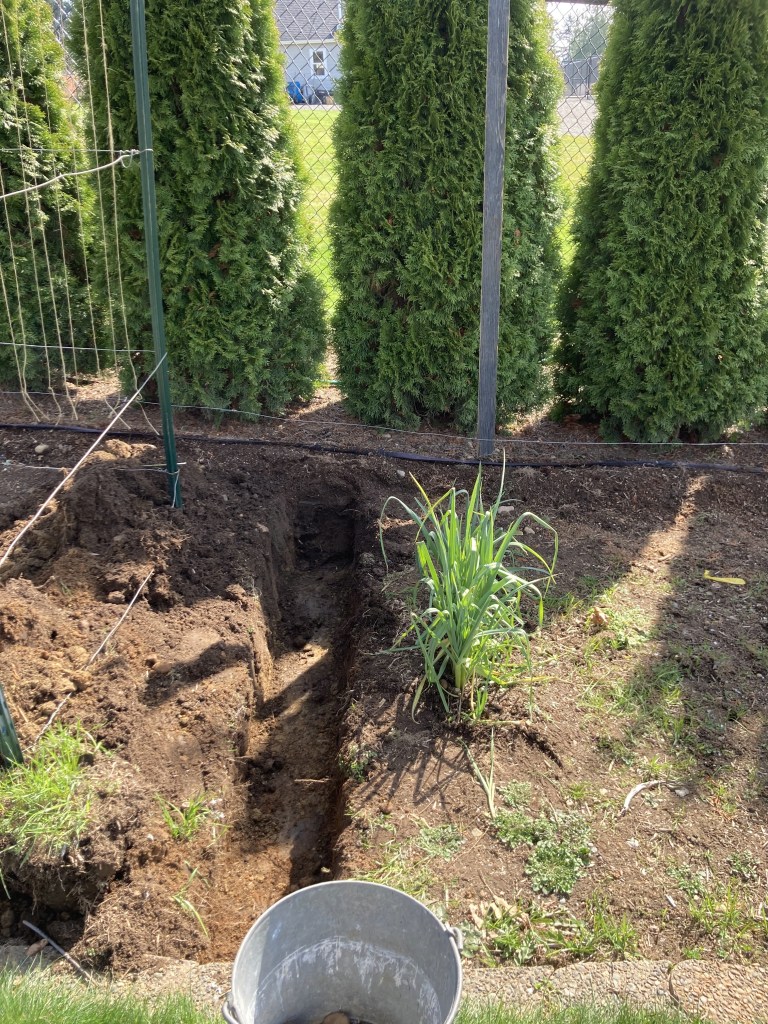

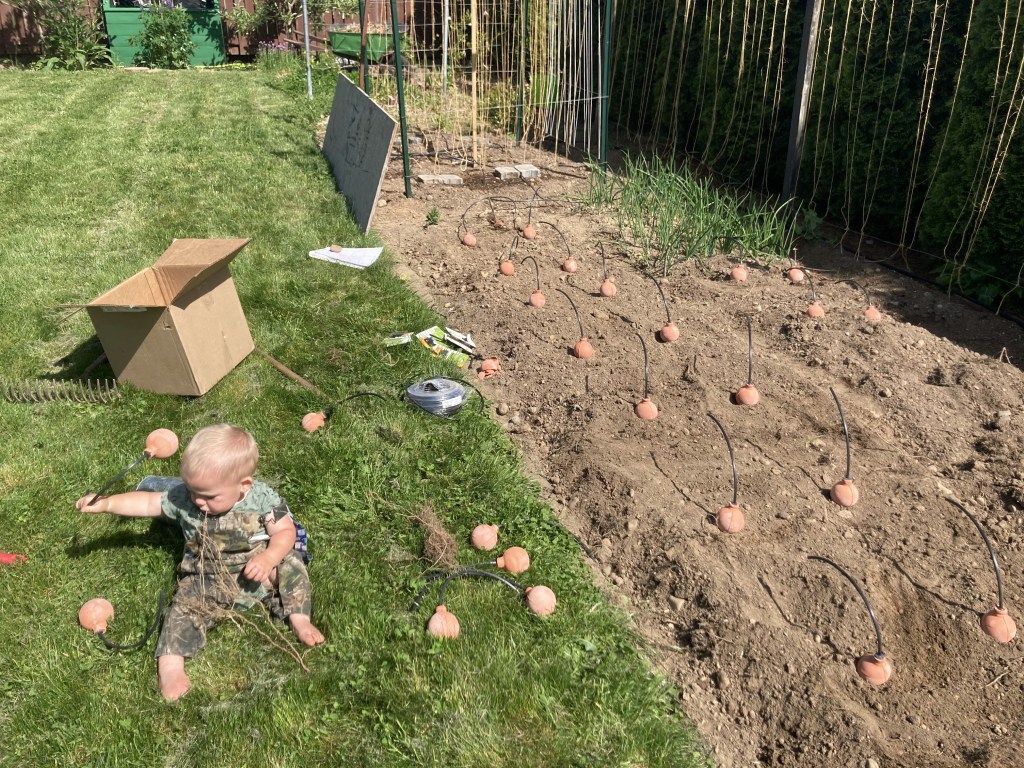
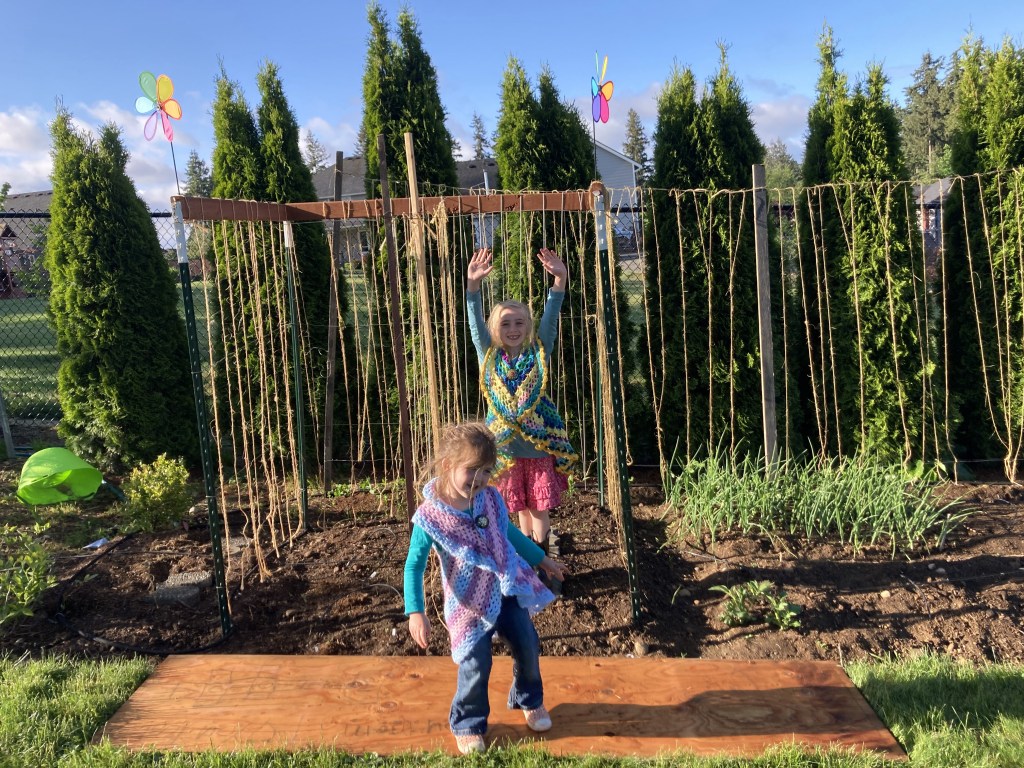
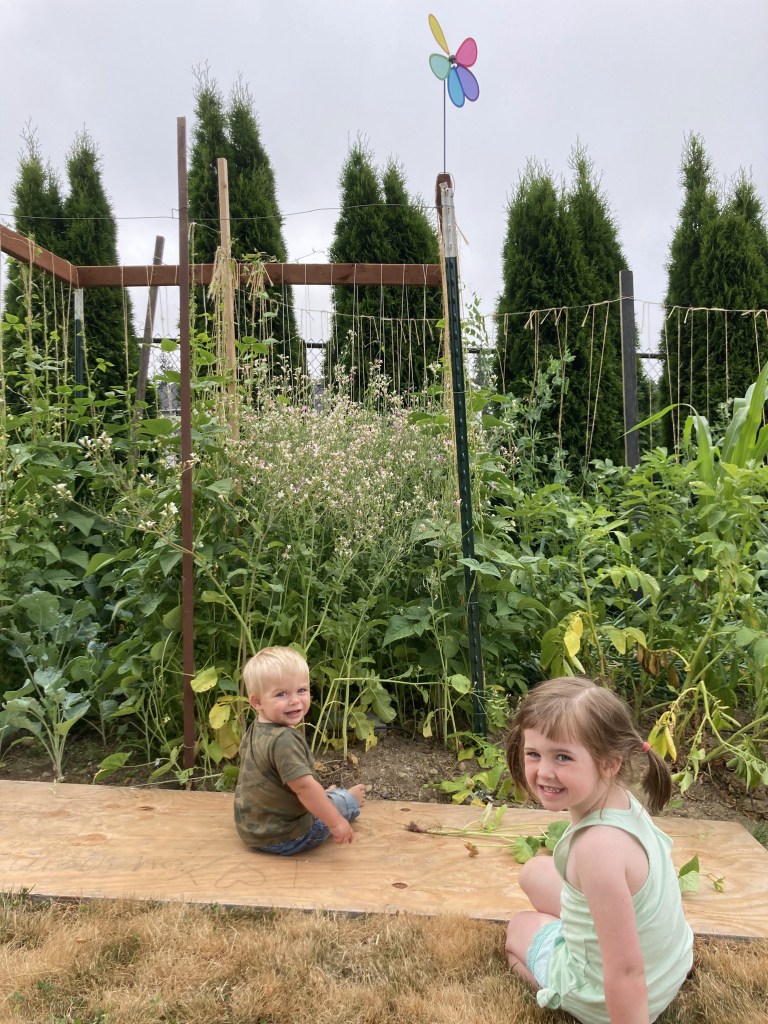


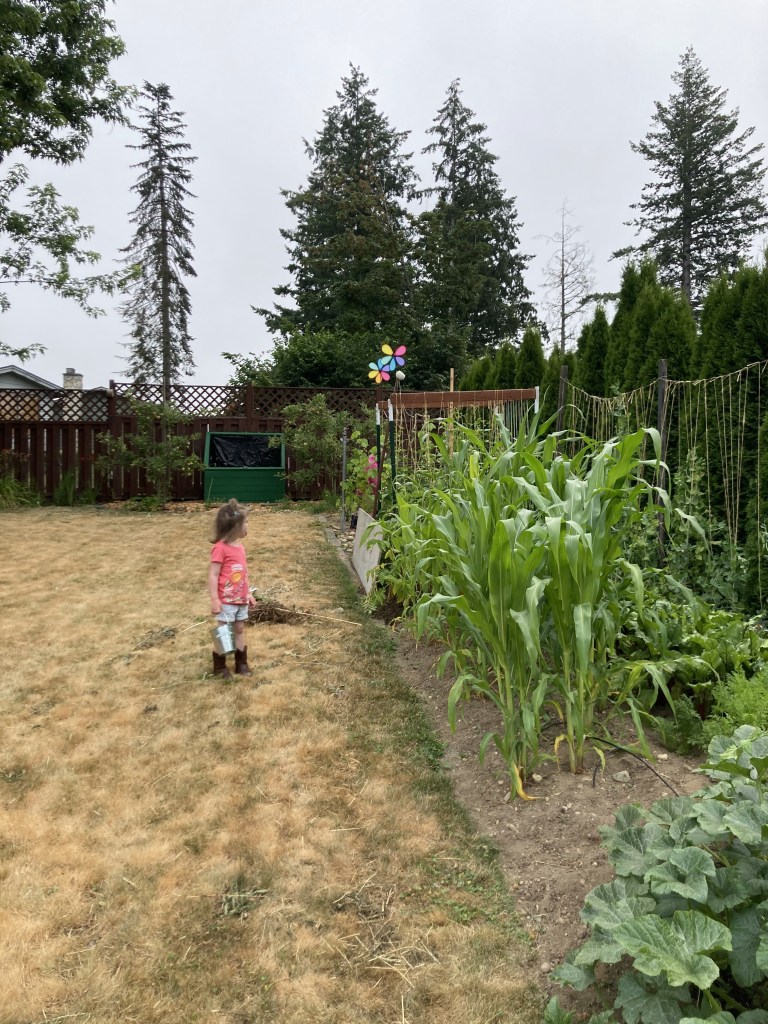
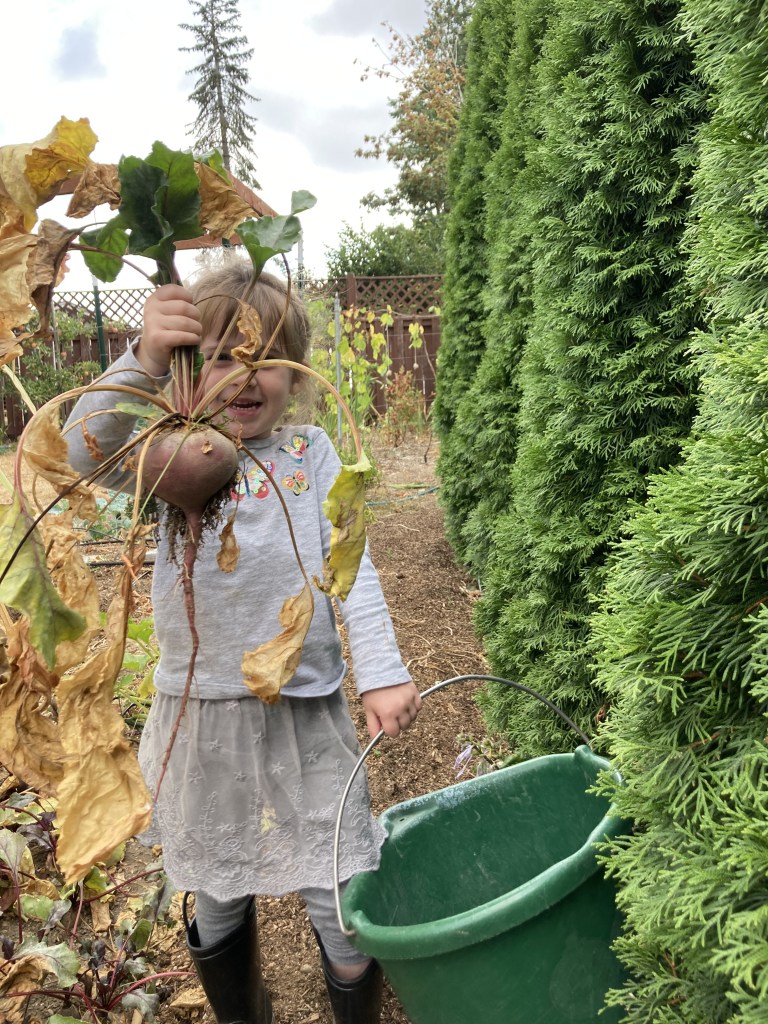
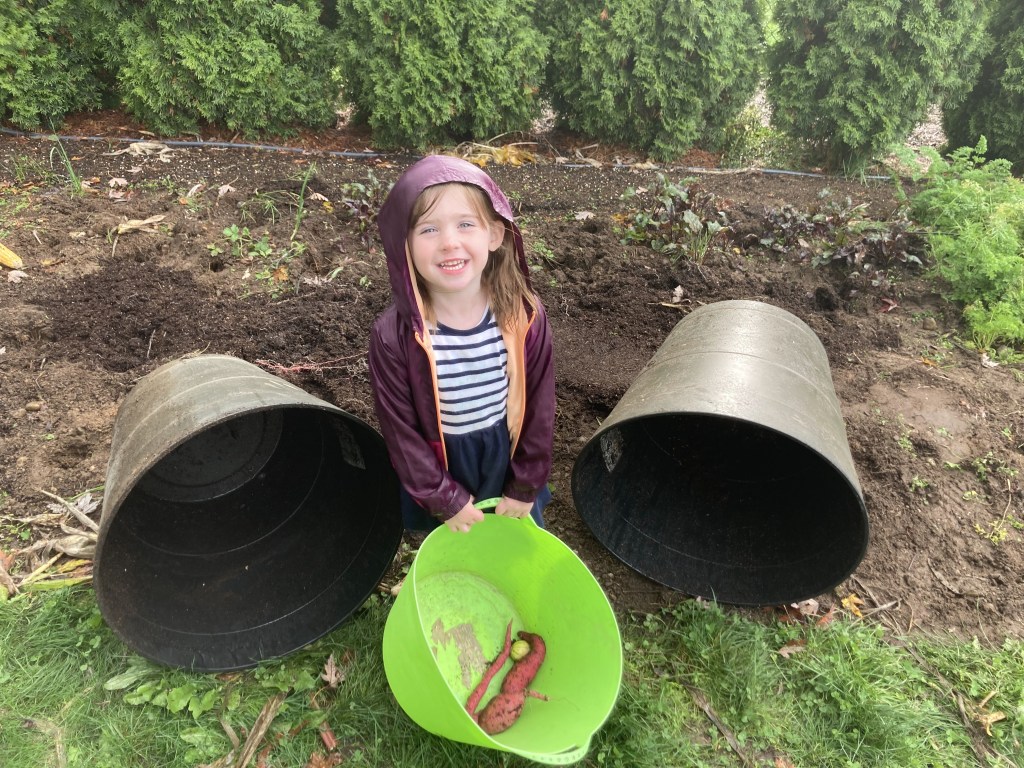
The main outcome of the increase in gardening, canning, freezing, and eventually buying chickens was that we came to love it. We began gardening out of fear, and ended up learning to garden out of love, for the sheer joy of coaxing green and growing things from the earth, and of eating them. They taste better, and they are worth growing.
So we began in a garden, and got ourselves kicked out of the garden because we grasped for more. The more turned out to be an illusion, mostly trash, and by God’s grace we return to the garden, there to see it for the first time as it truly is: an invitation to dig in the dirt beside our Heavenly Father, to watch His creation respond to our efforts with fruit beyond our ability to imagine or create.
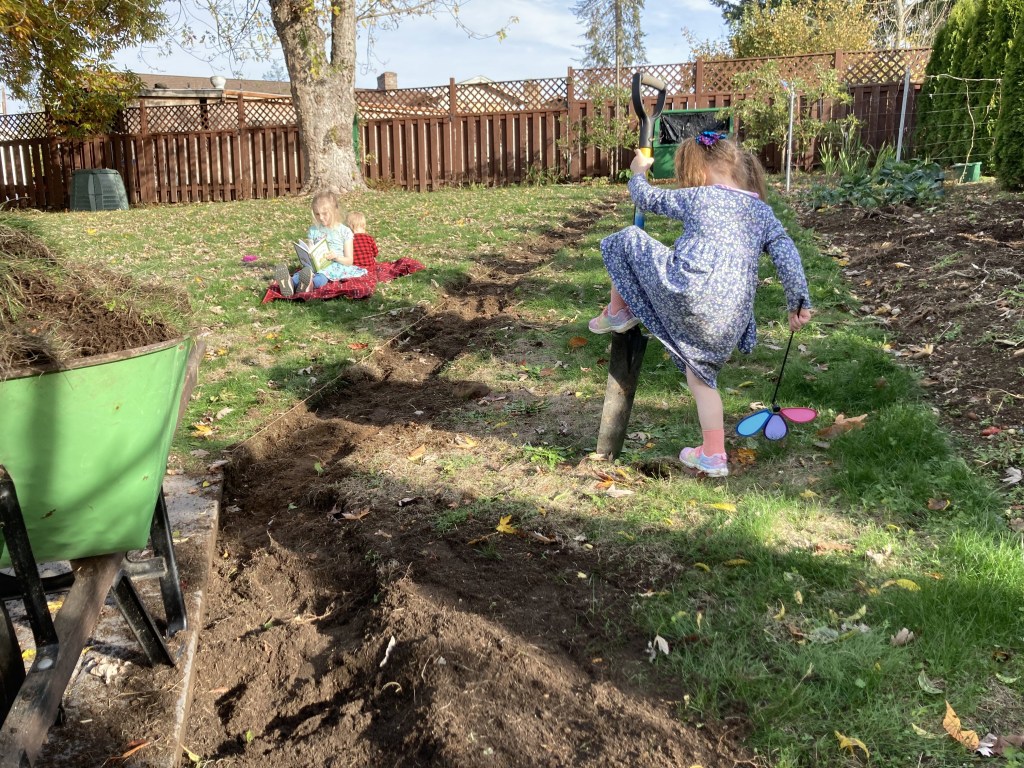
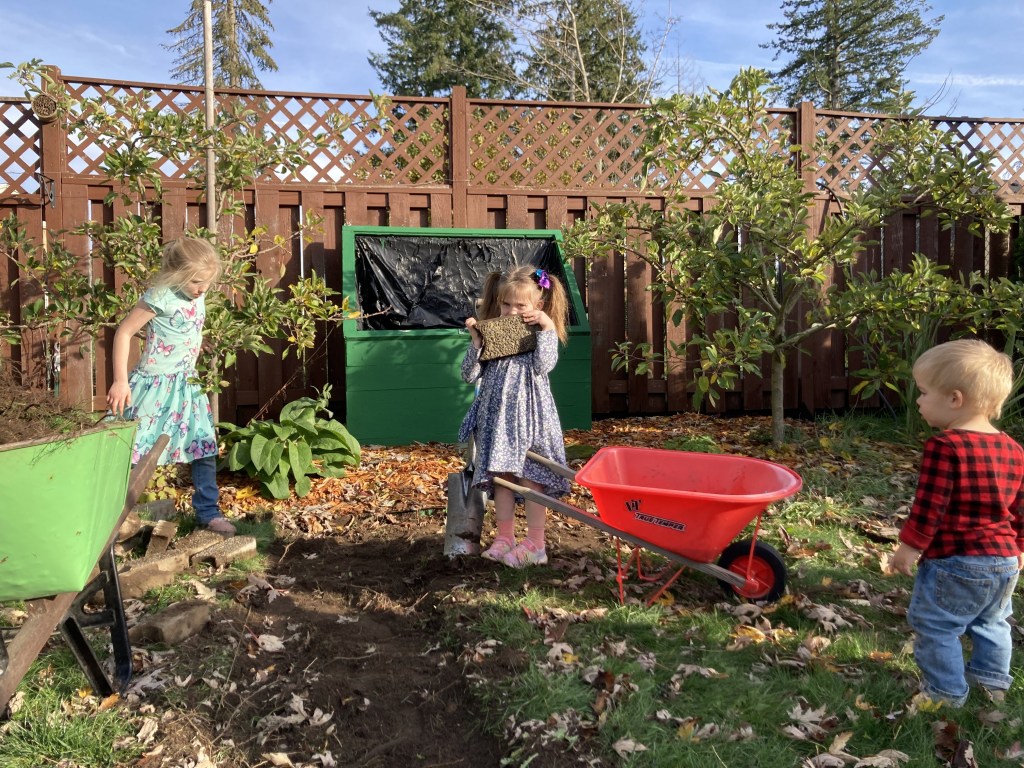
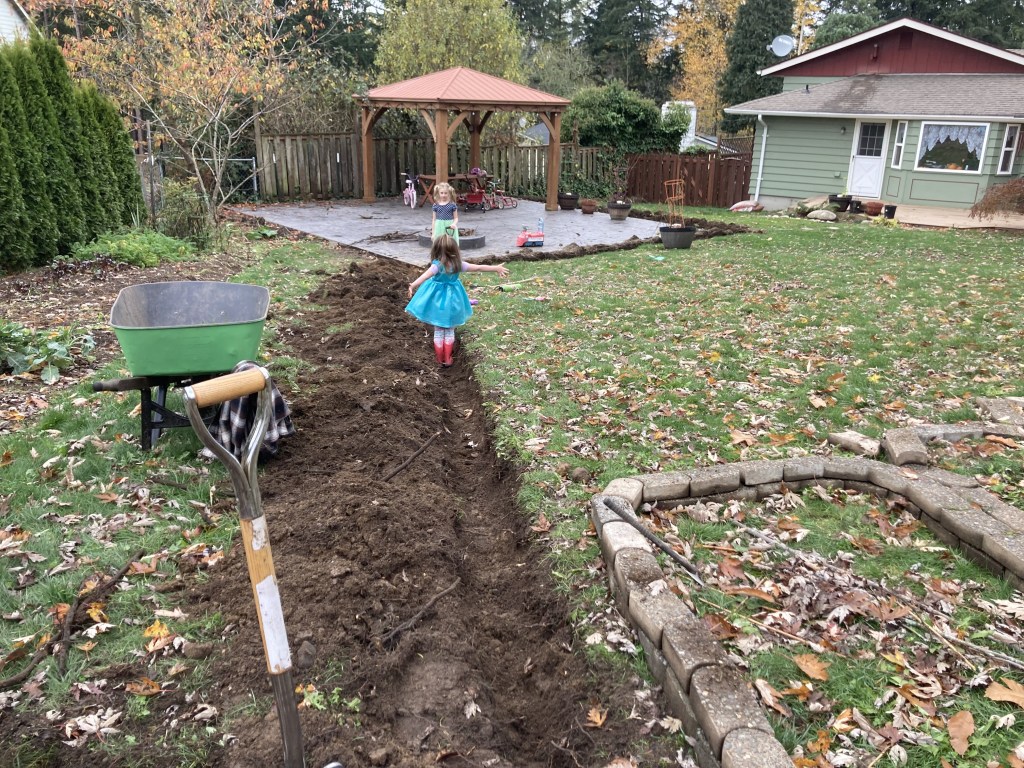
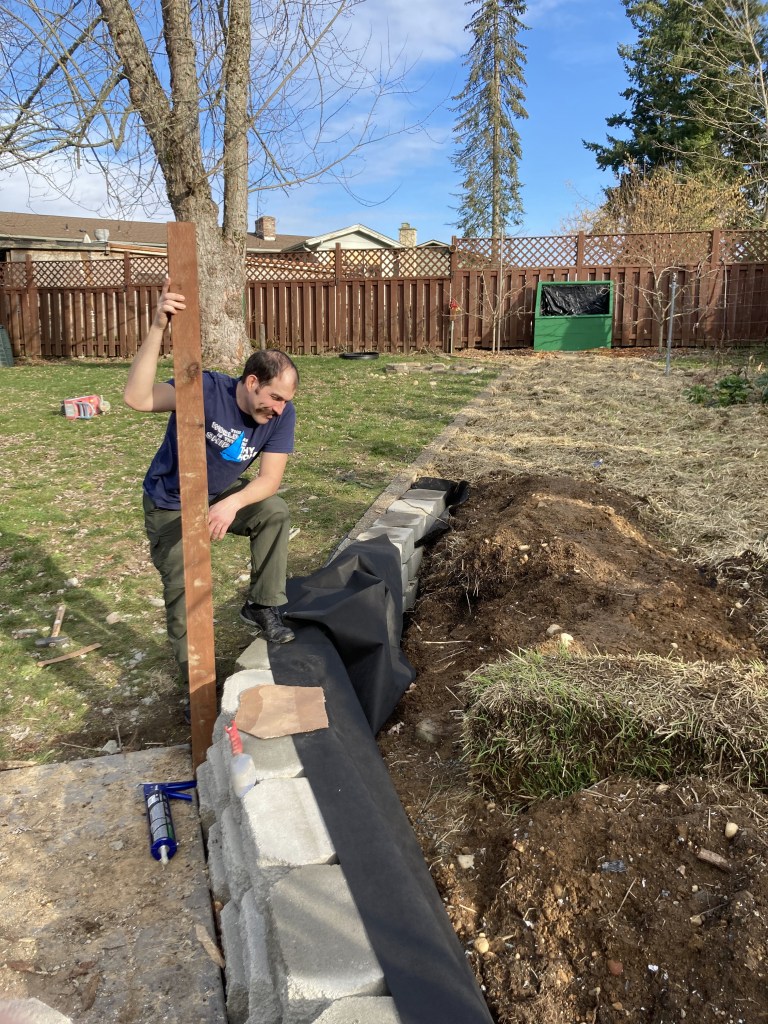
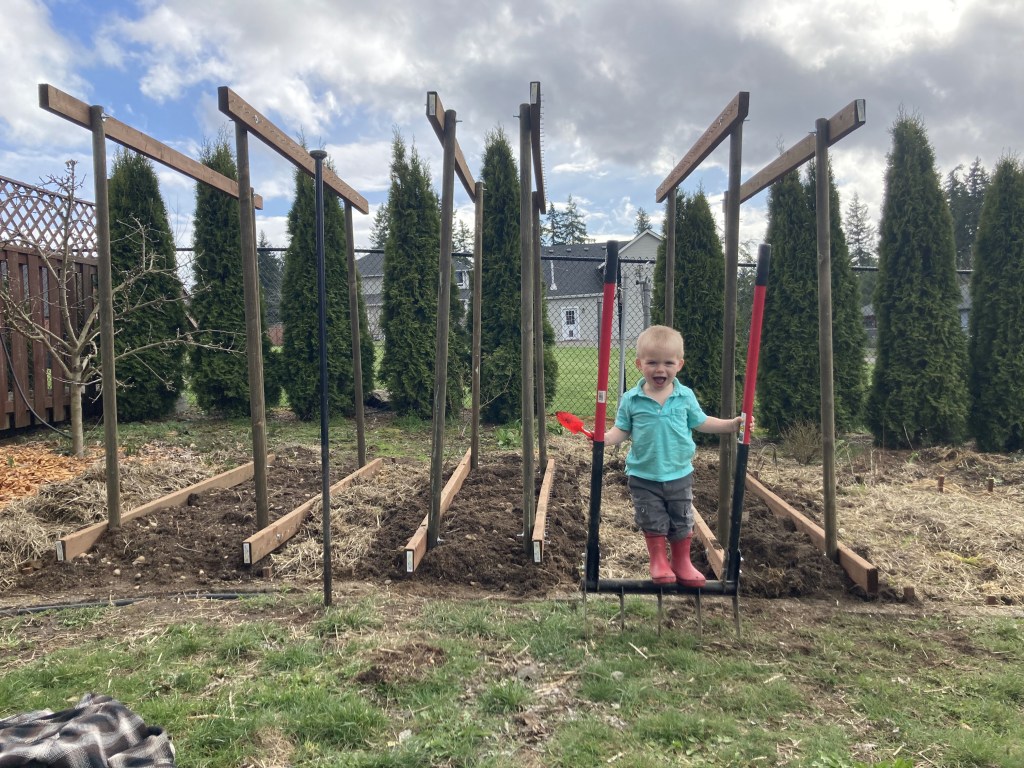

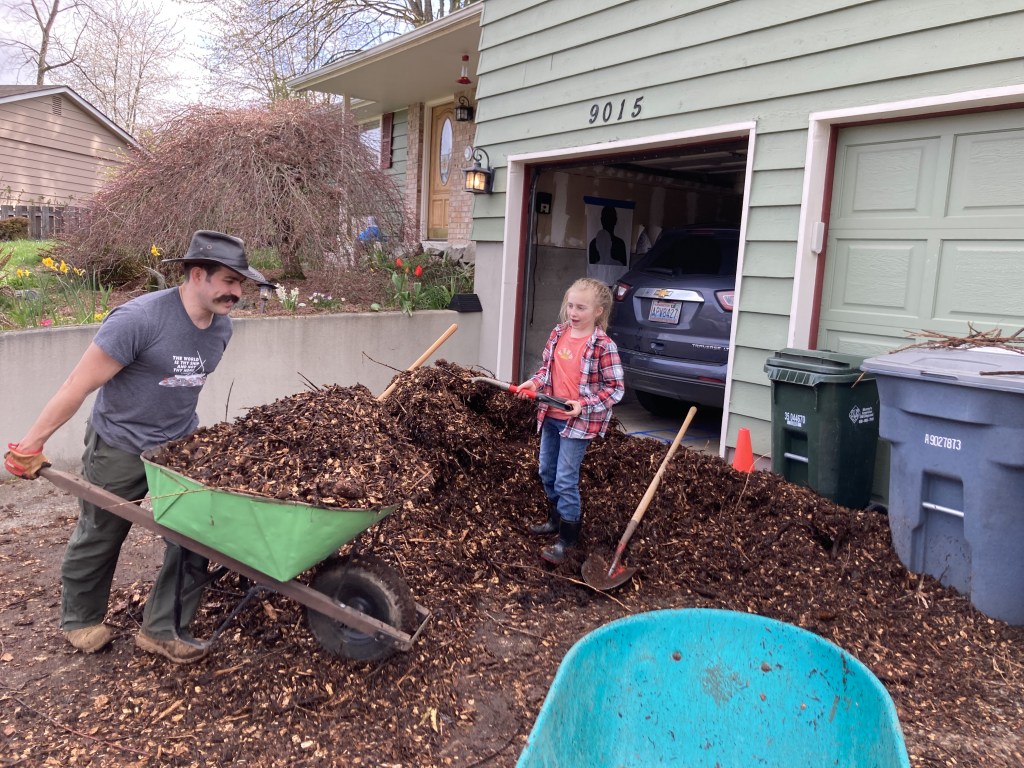
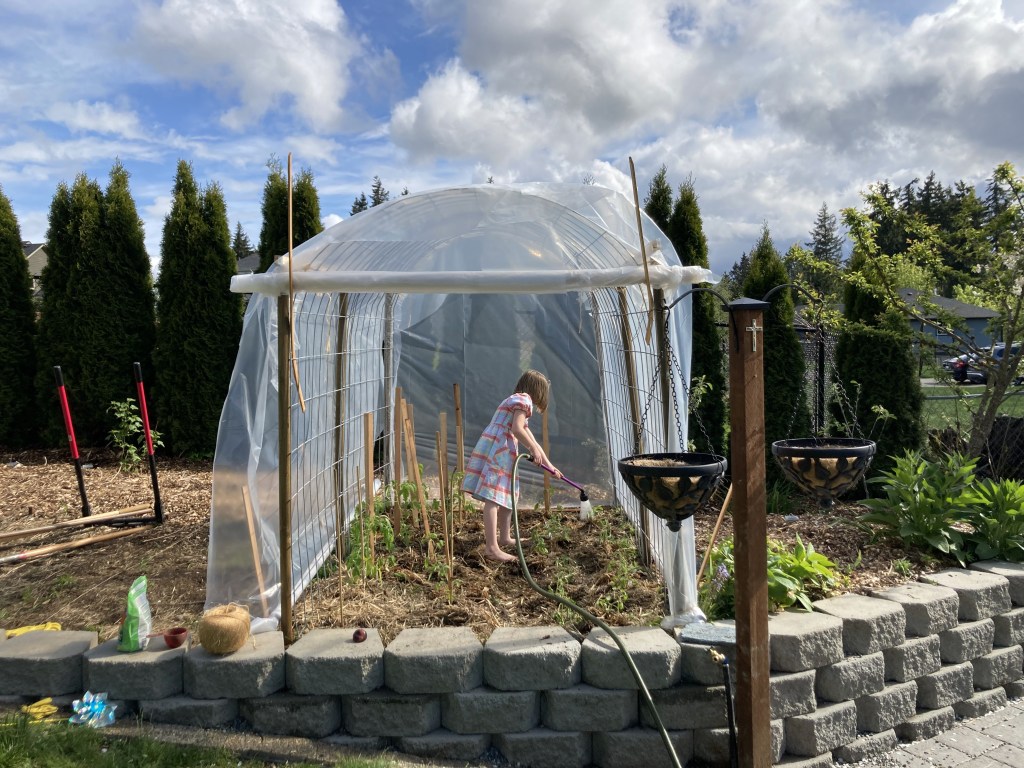


We invite you to come along with us on this journey of gardening, and more importantly, to start a garden of your own, even if it is in a pot on the windowsill.


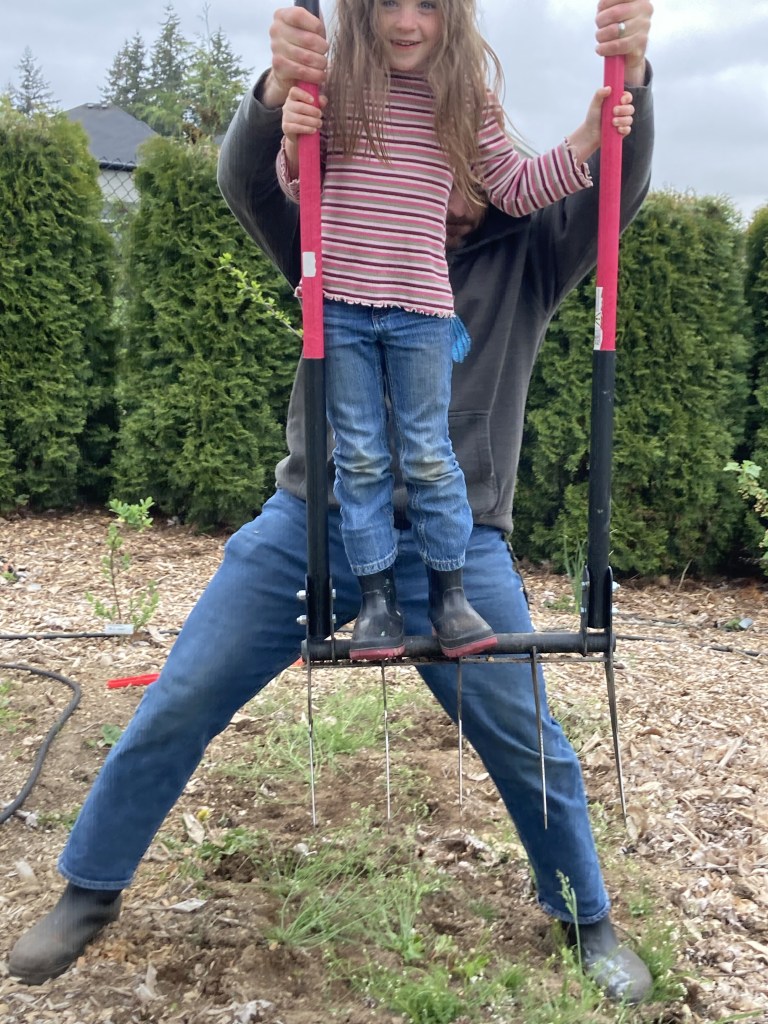
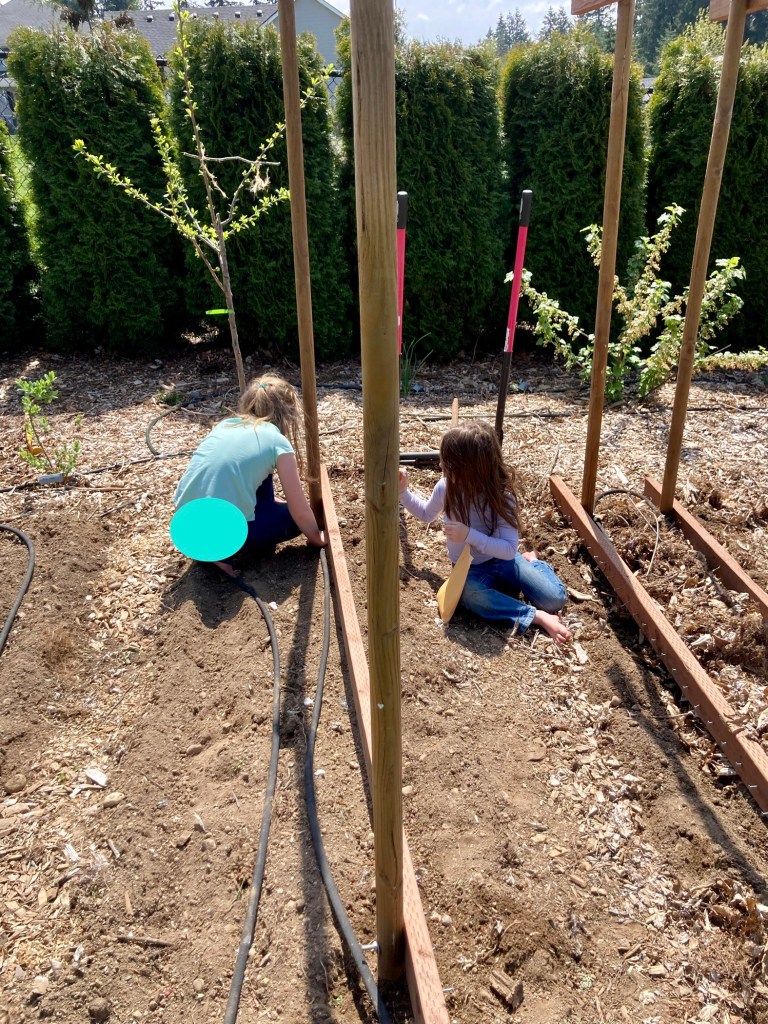
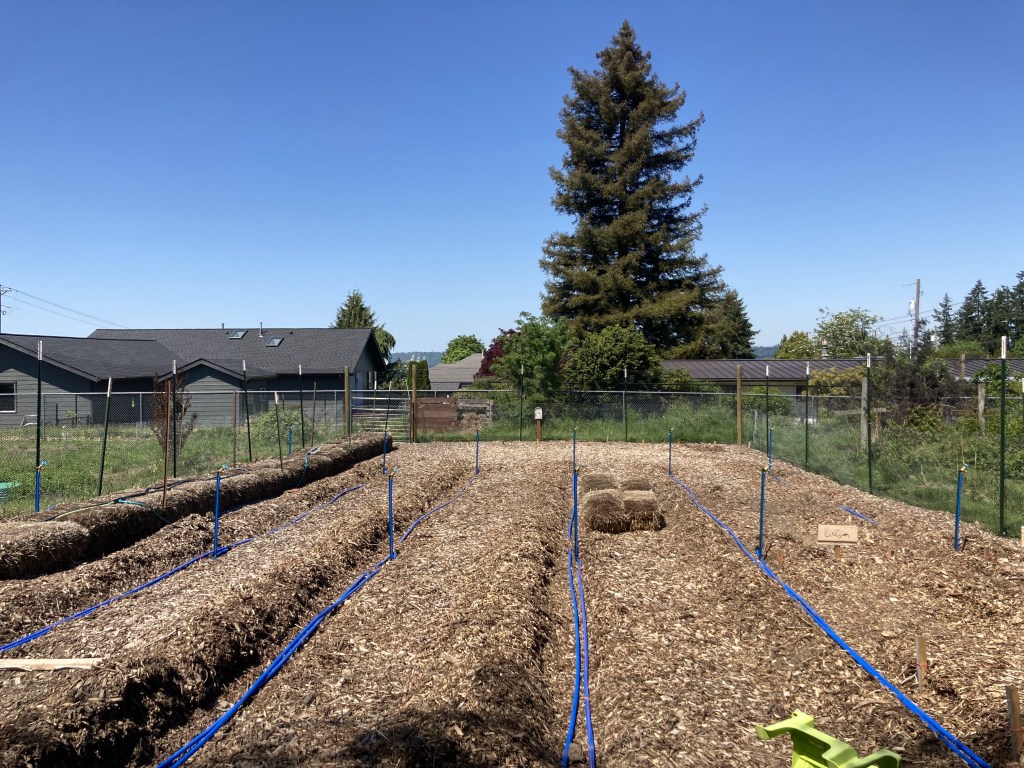
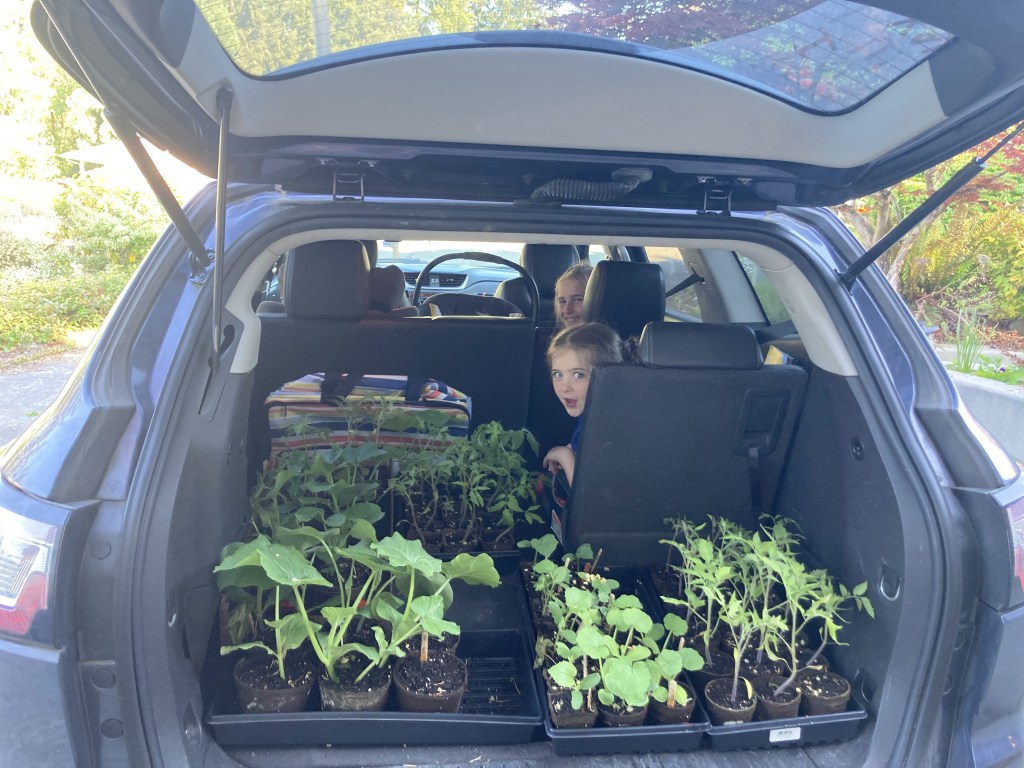

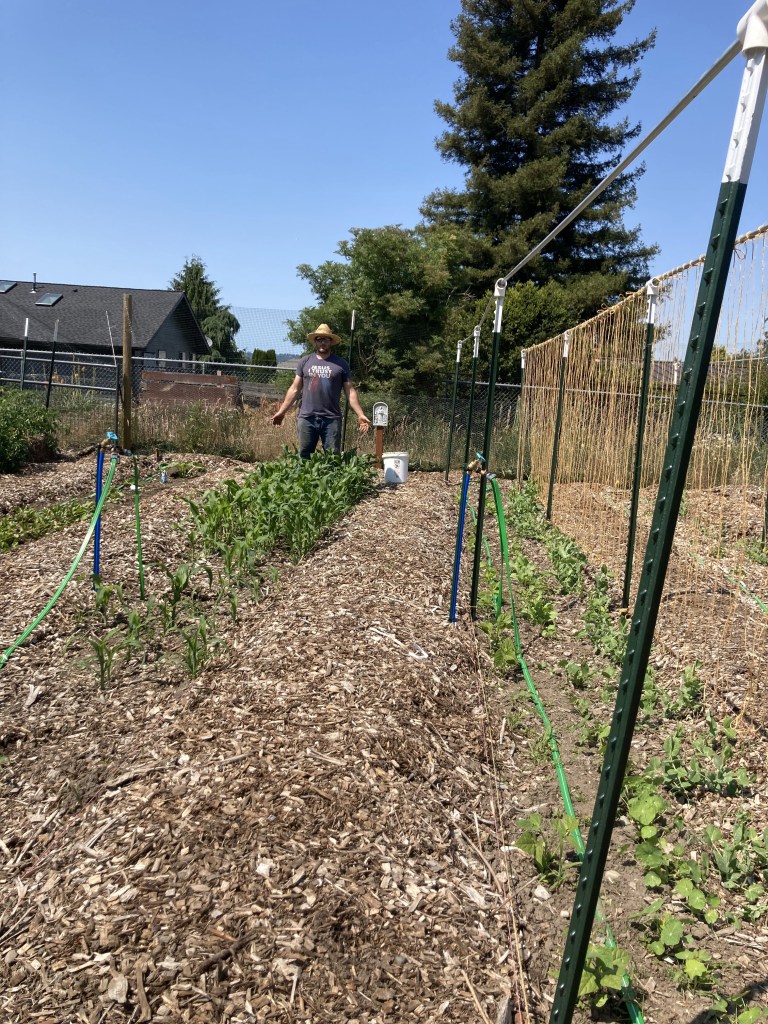
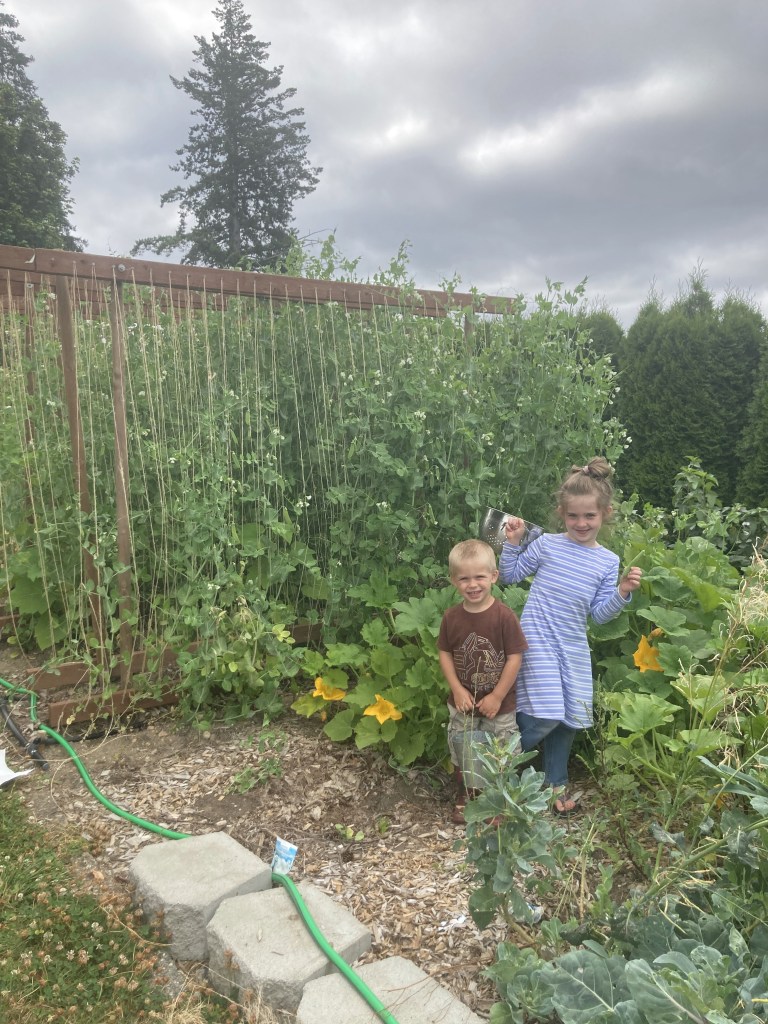

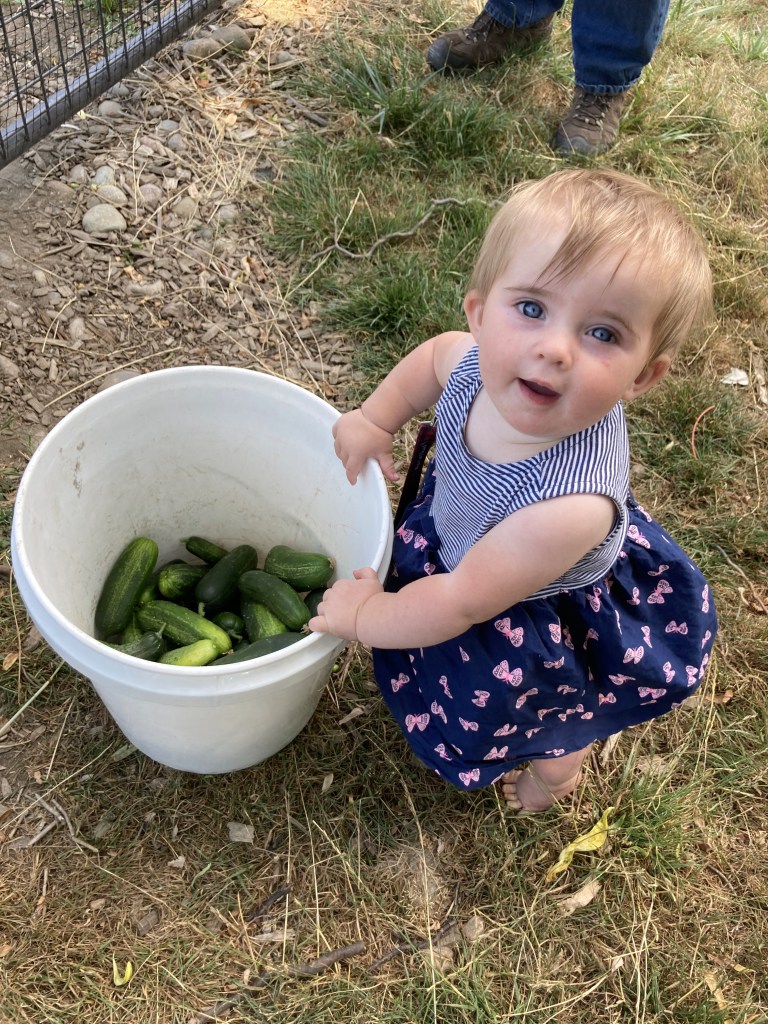
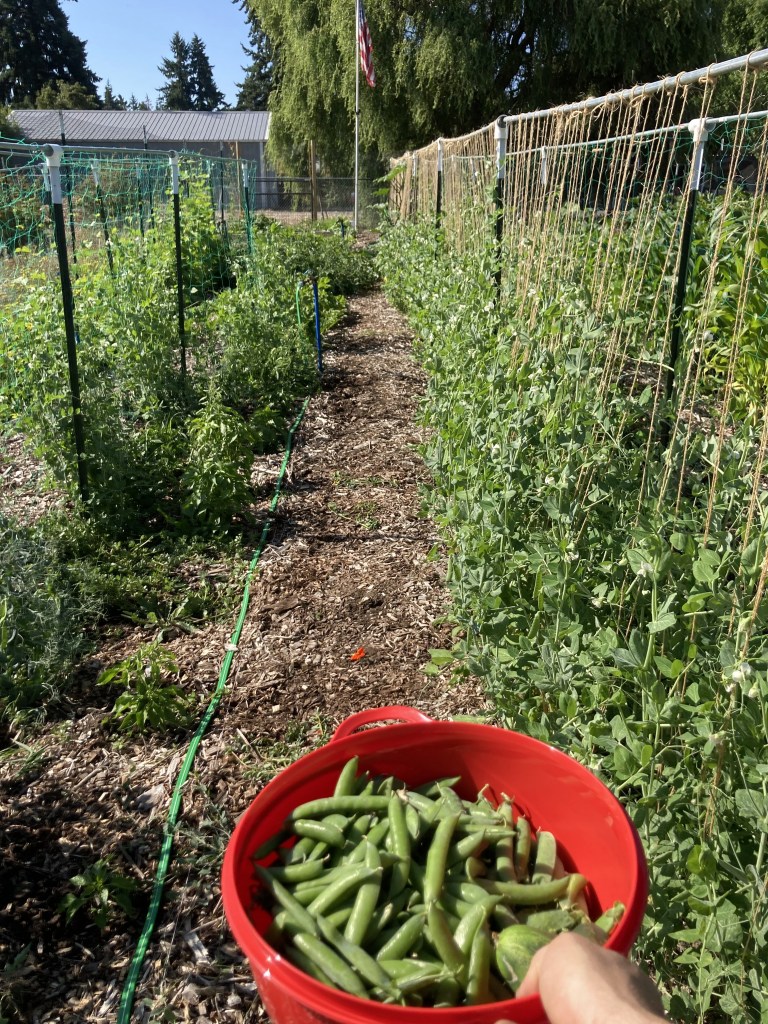
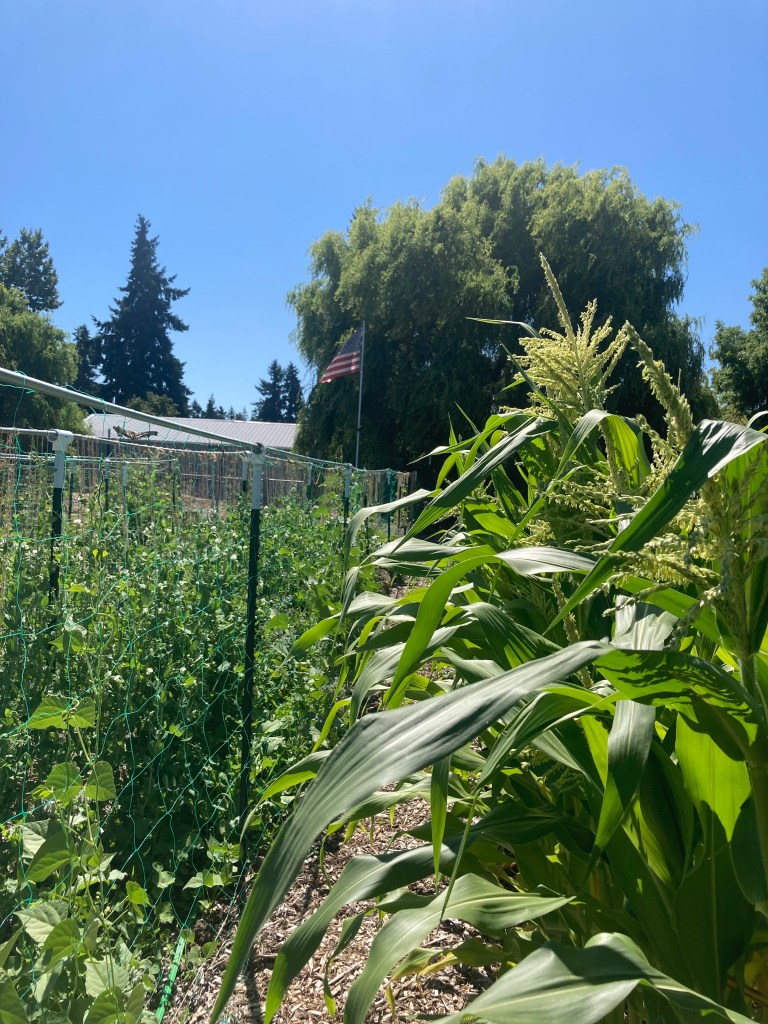
If you have made it all the way to the end, and still, for some reason, want to read more, check out some garden related blog posts here.
Brussels Sprouts
Monday morning, harvested 6 stalks of brussels sprouts. These have been let go a month too long, and some of the larger buds are starting to open. When that happens they lose some of the sweetness and become a bit tough, and they don’t hold together for cooking or pickling anymore. So it was time…

Turnip
“Ryan, what are you doing?” “I am admiring my turnip.” I mean, come on! That’s the prettiest turnip I have ever grown! I think I am going to put that turnip and some lamb meat into a hand pie, with gravy!
 Little Farm in the Big City