If you had to pick one survival animal for the end of the world, what would it be?
I would be hard pressed to choose between a cow and a chicken.
Both of these animals are remarkable creatures, with the ability to take food items that humans cannot eat (grass, leaves or bugs, worms, grass, etc.) and turn them into a food item that humans can eat, i.e. milk or eggs.

Ultimately, we went with chickens initially, as a smaller, cheaper animal, with fewer infrastructure requirements and consequently a lower entry cost. The downside to the chickens is that it is hard to raise them productively without bringing in feed, which kind of goes against our ultimate goal of not being dependent on off farm inputs, but we’ll get to that in a bit.
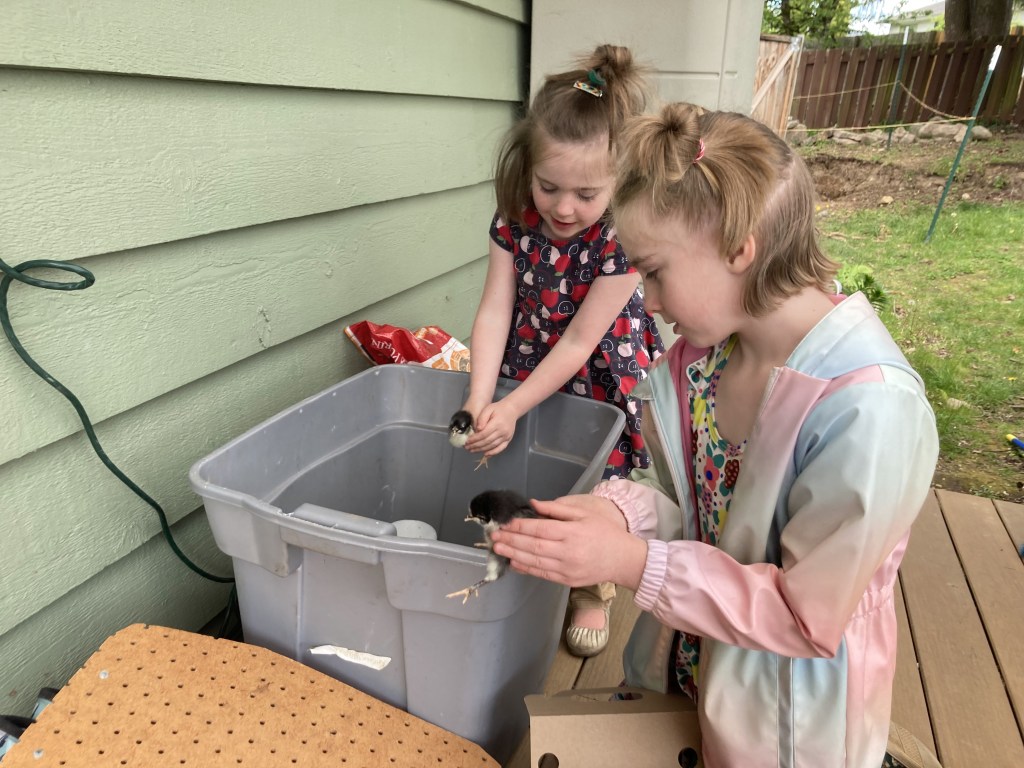
We started out getting chickens more or less on a whim. Ryan and the kids decided one day to go to the store and get chicks, which we put in a rubbermade tote for about a week.
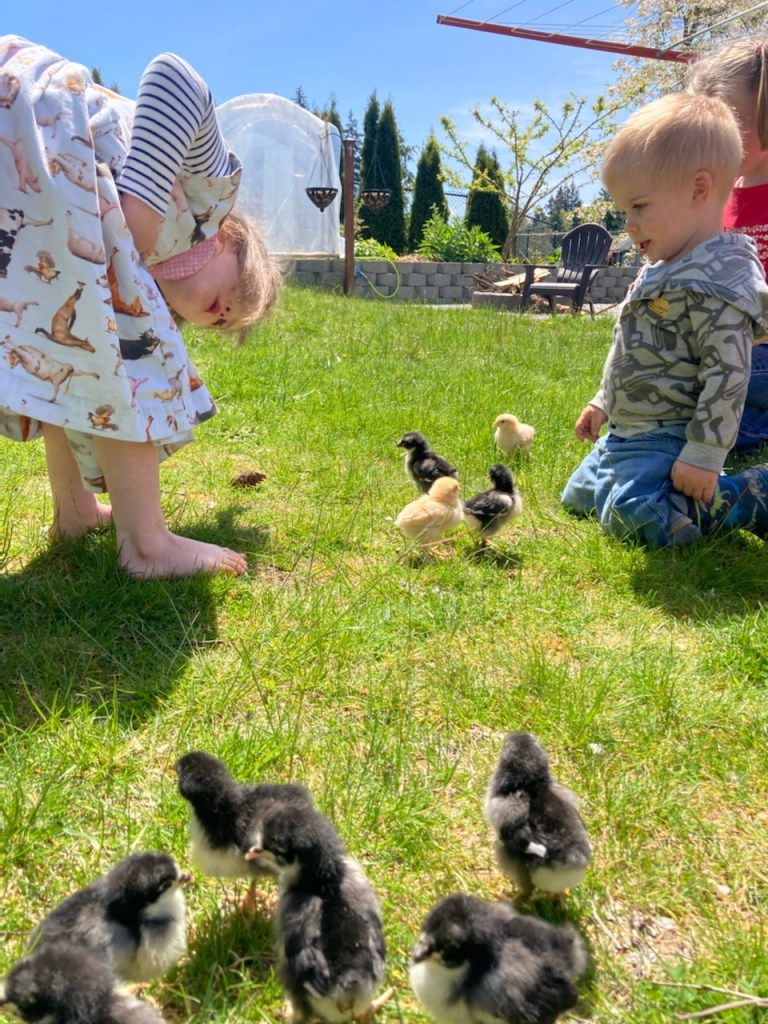
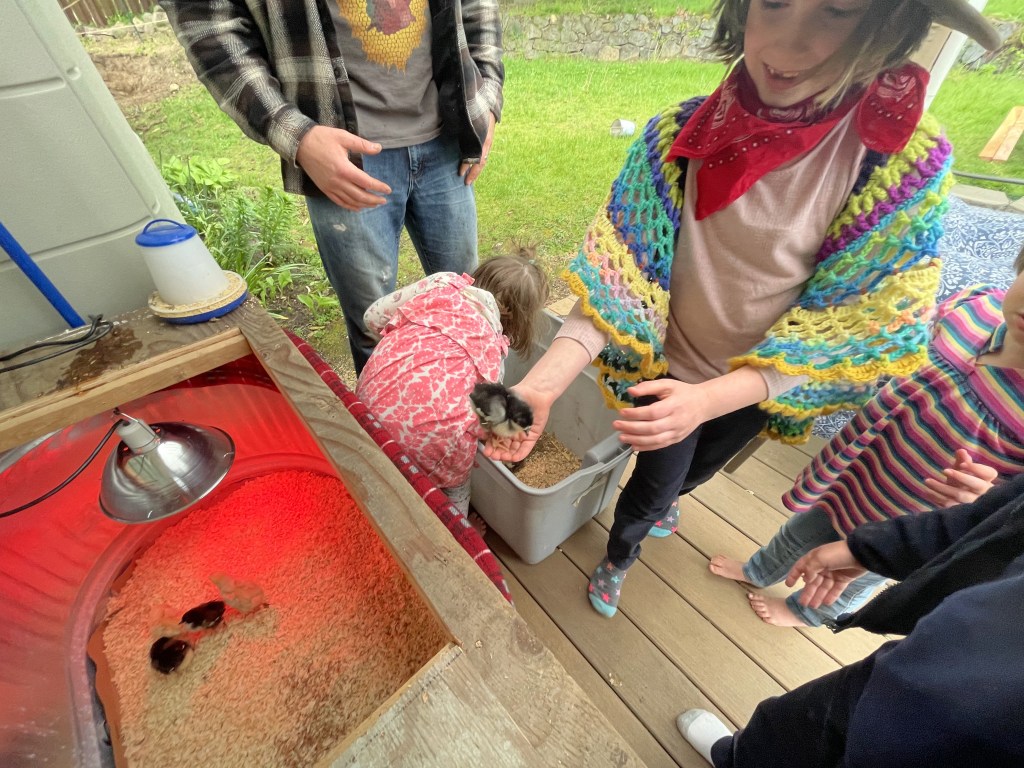
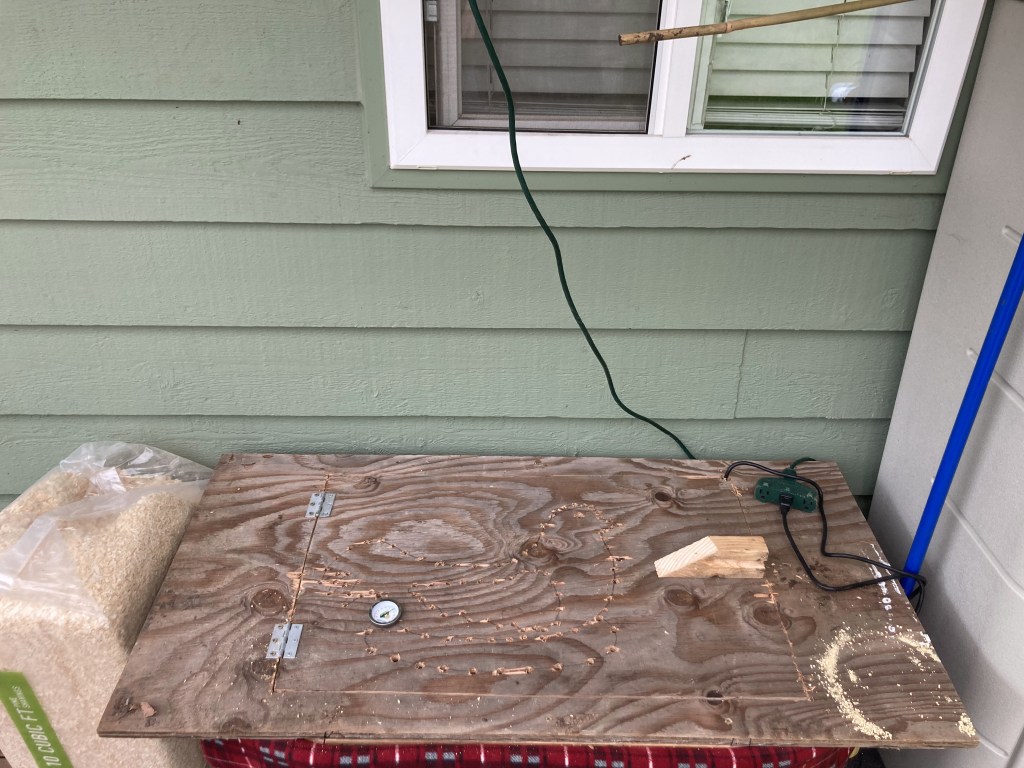
When they got too big we moved them into a brooder made from a stock tank with a custom plywood lid.
Over the next few weeks we built a ridiculously overbuilt chicken tractor for them.
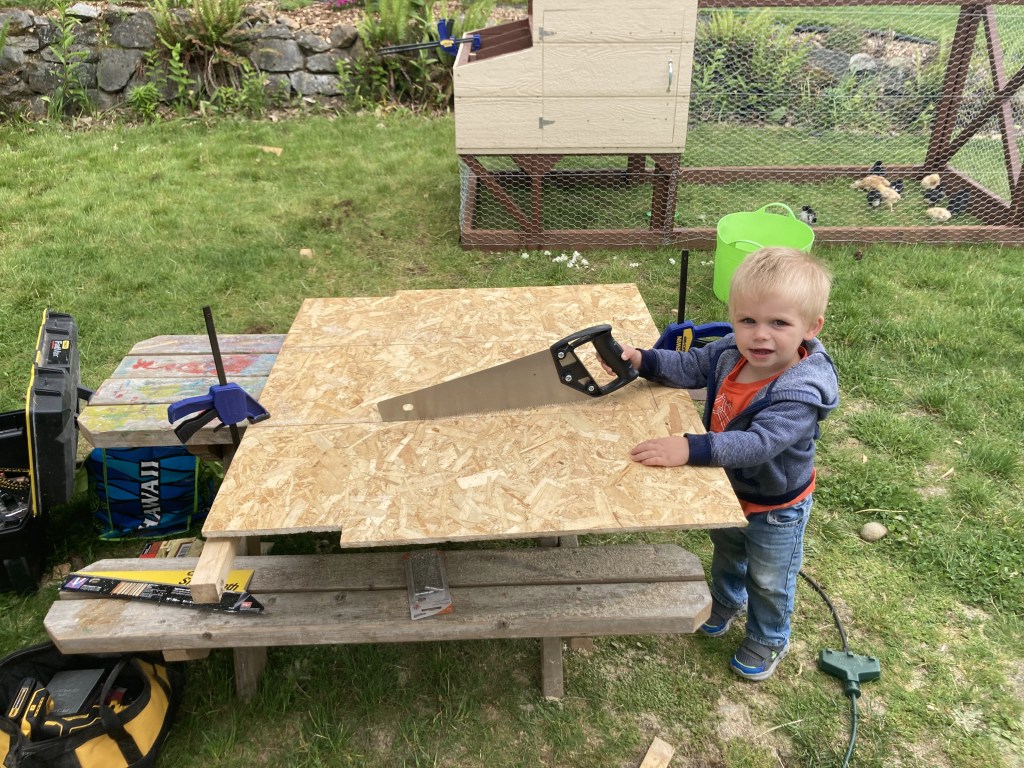
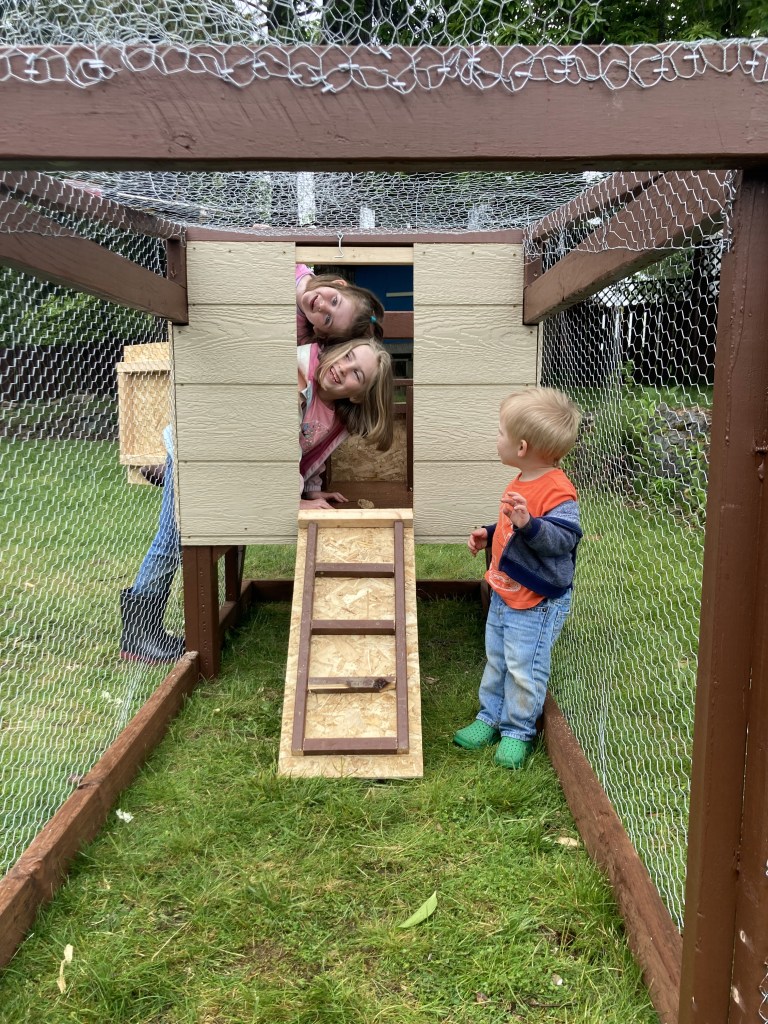
Apart from the weight, it actually worked quite well.
It was only a 24 square foot tractor, the same size as one of the garden beds at the house. The original plan was to butcher 6 of the 10 chickens, leaving the other 4 to lay eggs and poop on the garden beds during the winter. But then we unexpectedly bought a farm.
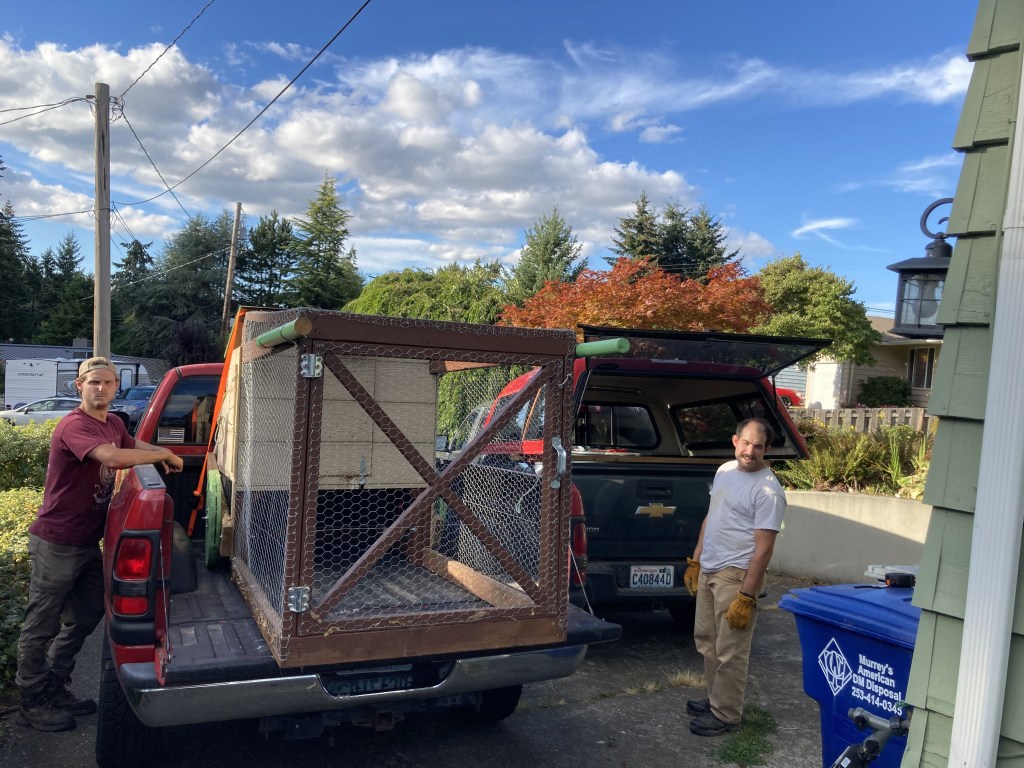
Rather than eat the chickens, we decided to winter them over in the future vegetable garden, to scratch in the wood mulch and poop out some nitrogen. So with the help of some friends we moved it over to the farm, and the chickens lived happily on the garden for their first winter.
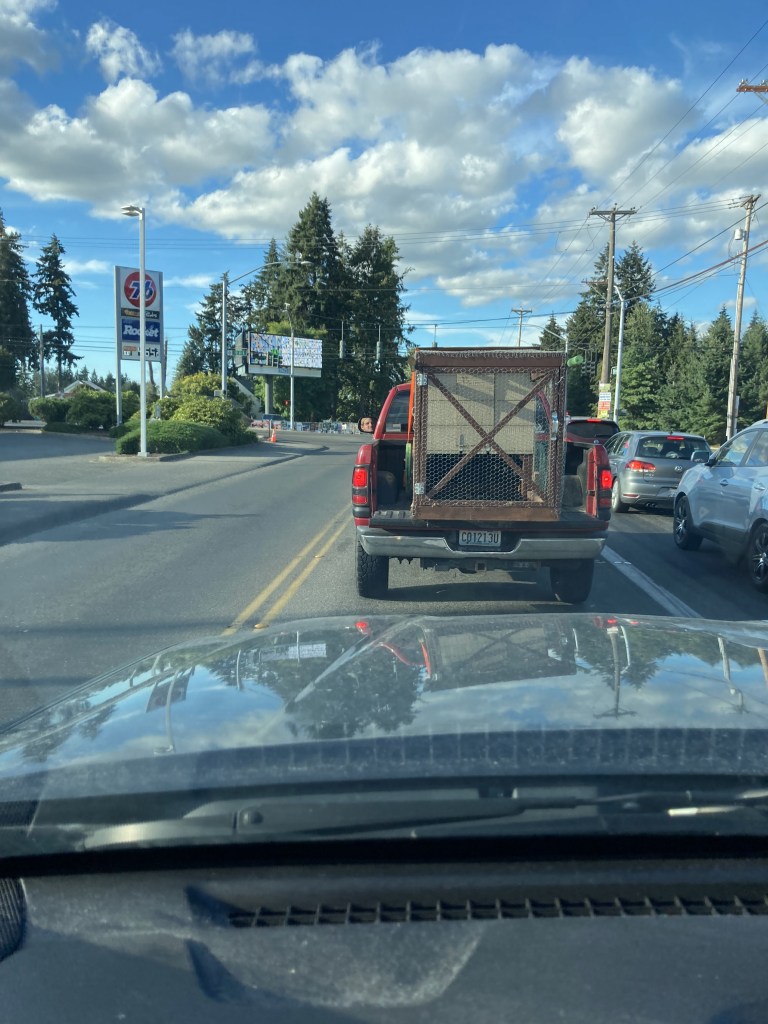
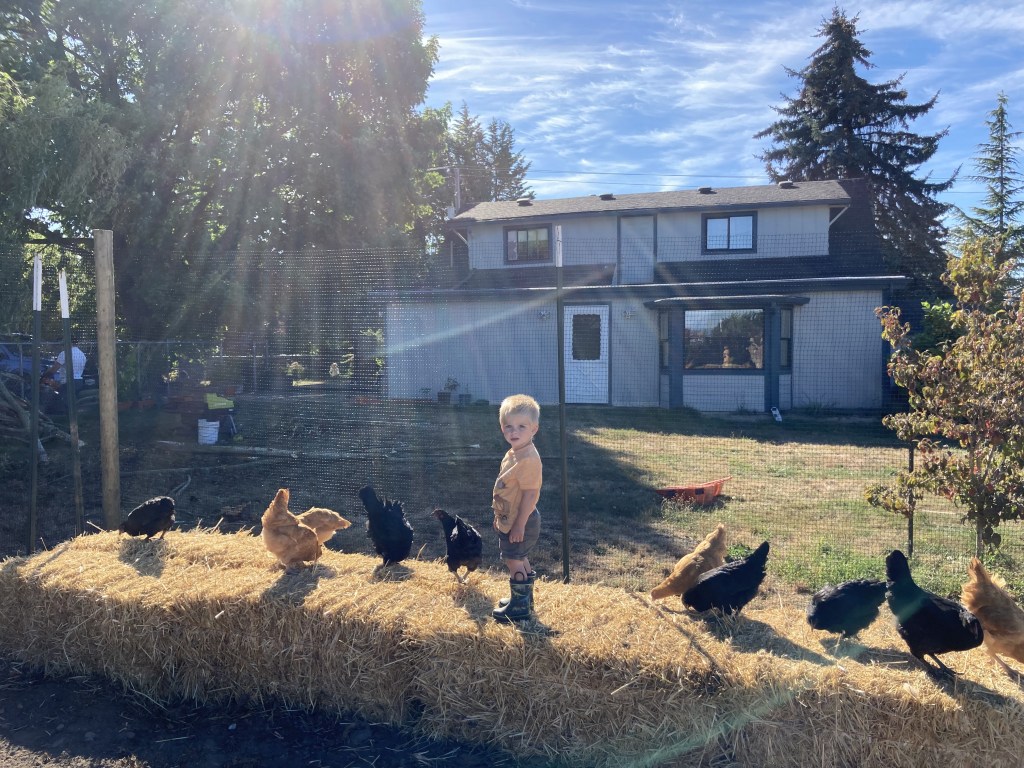
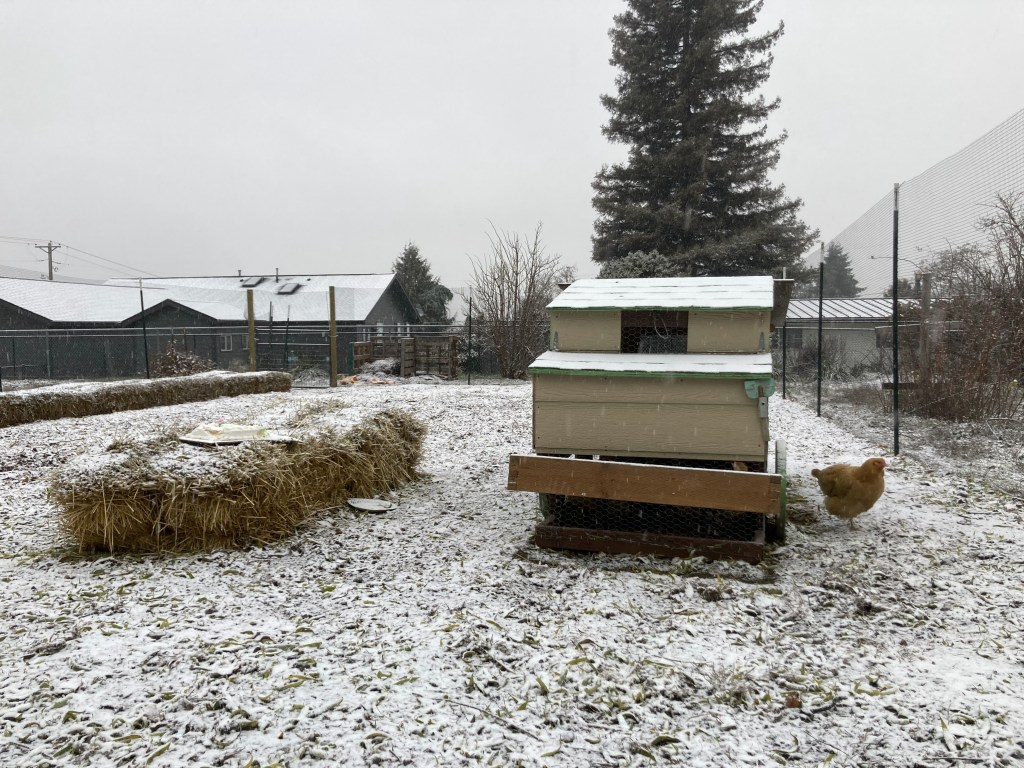
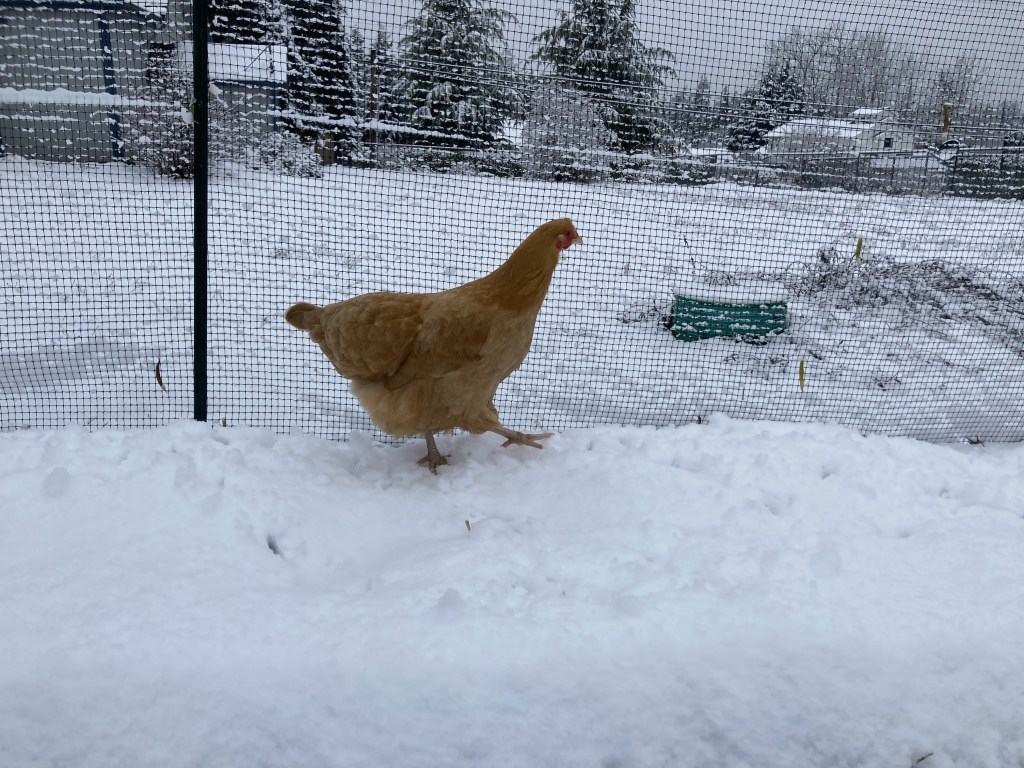
They did not seem to mind the snow, and it was in fact during the winter that we got our first eggs from them.
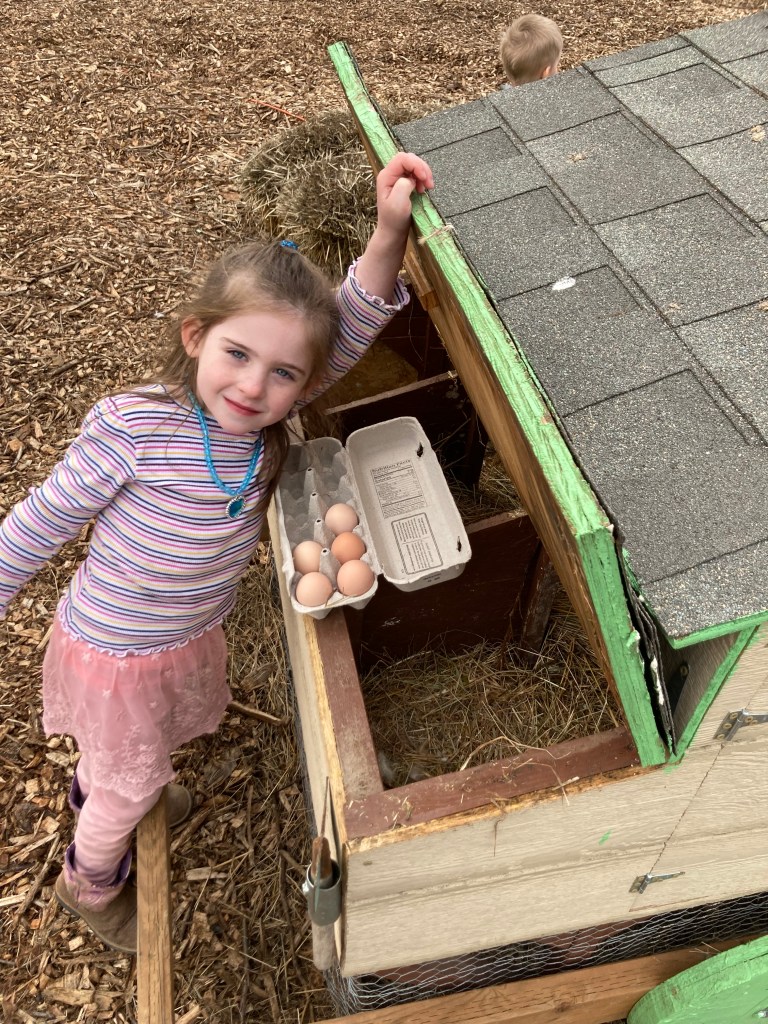
In January of 2023 we bought a large flock of chicks of various breeds. We ordered leghorns, cinnamon queens, americaunas, and dorkings.
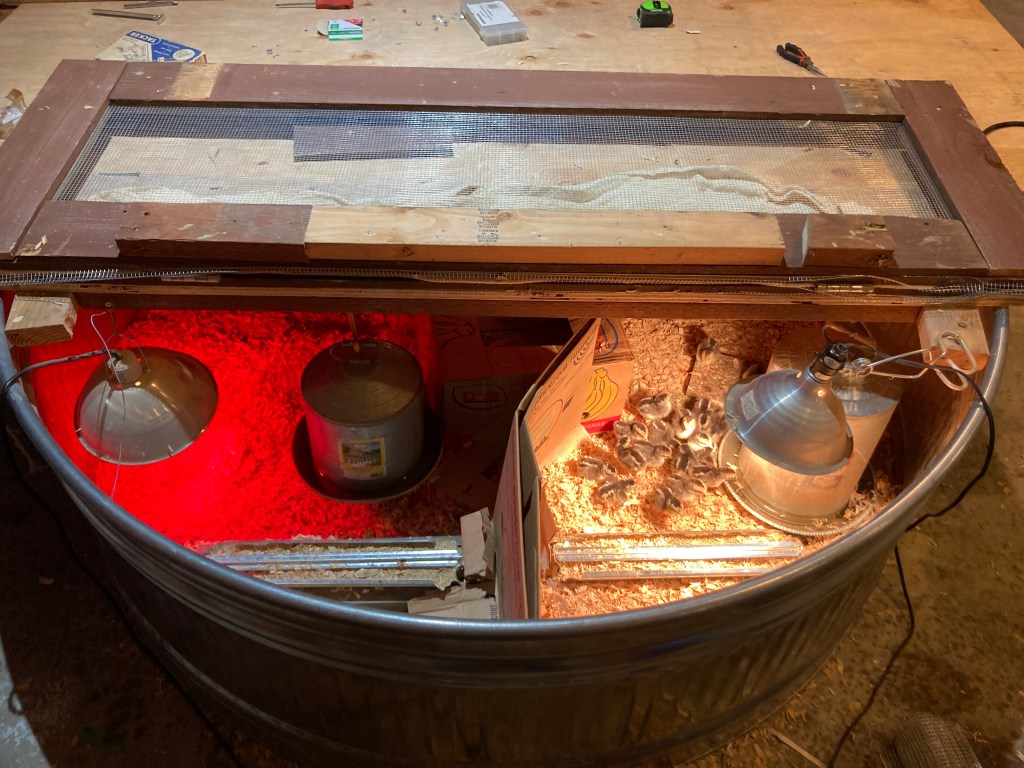
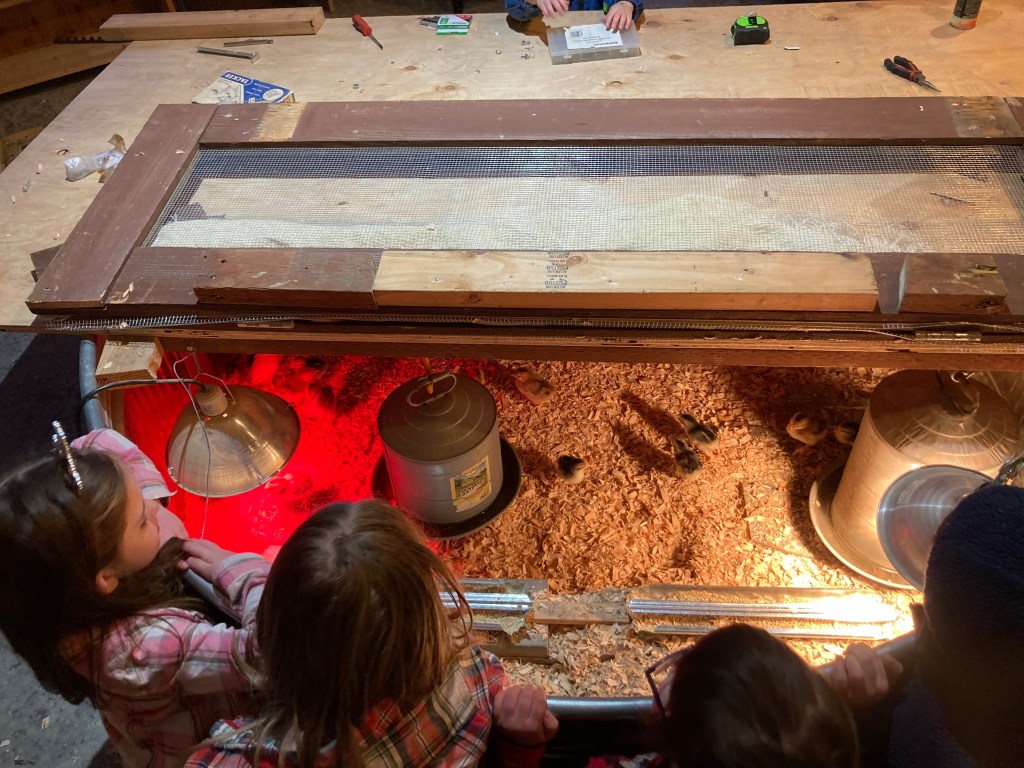
Unfortunately, brooding them got off to a rough start and the dorkings took the brunt of it. Already a smaller, more docile breed, they also arrived a few days later and younger than the other breeds, which in chick terms is kind of like throwing a bunch of really quiet one-year-olds in a playpen with a crowd of rambunctious 2 and 3 year-olds.
That’s why in one of the pictures above you see the brooder divided into two compartments, to keep the two flocks separate until the dorkings had time to catch up.
In the meantime we started work on our grandest project to date: the Pigken Coopen (that’s German pleural form for a cross between a pig pen and a chicken coop).
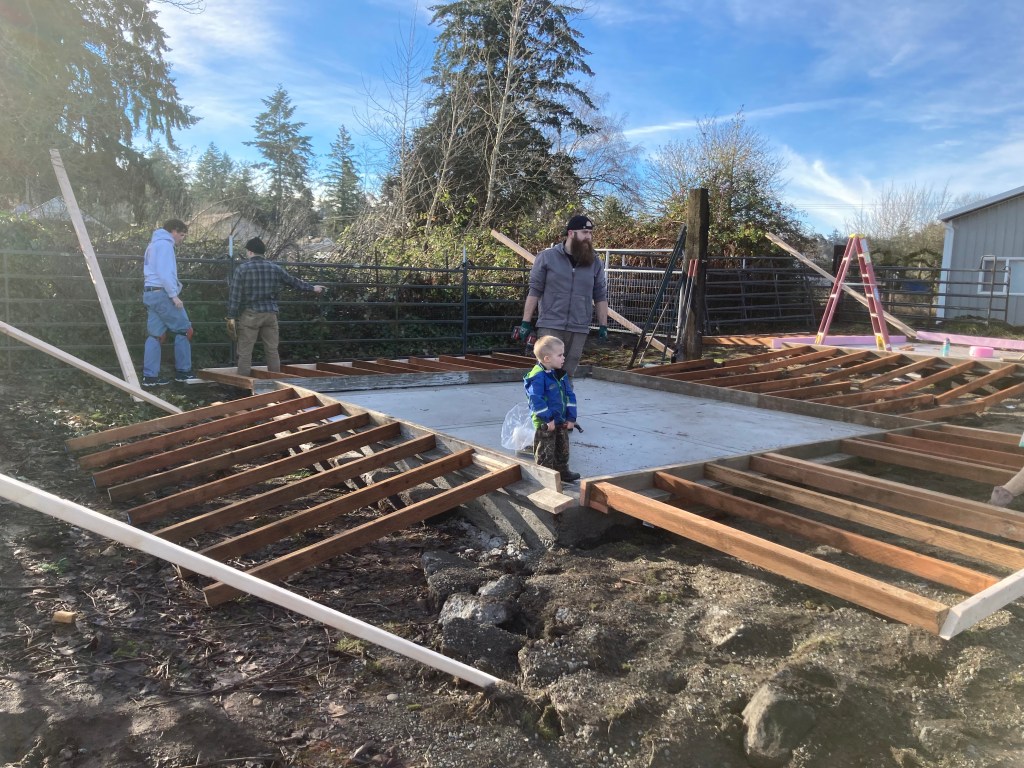
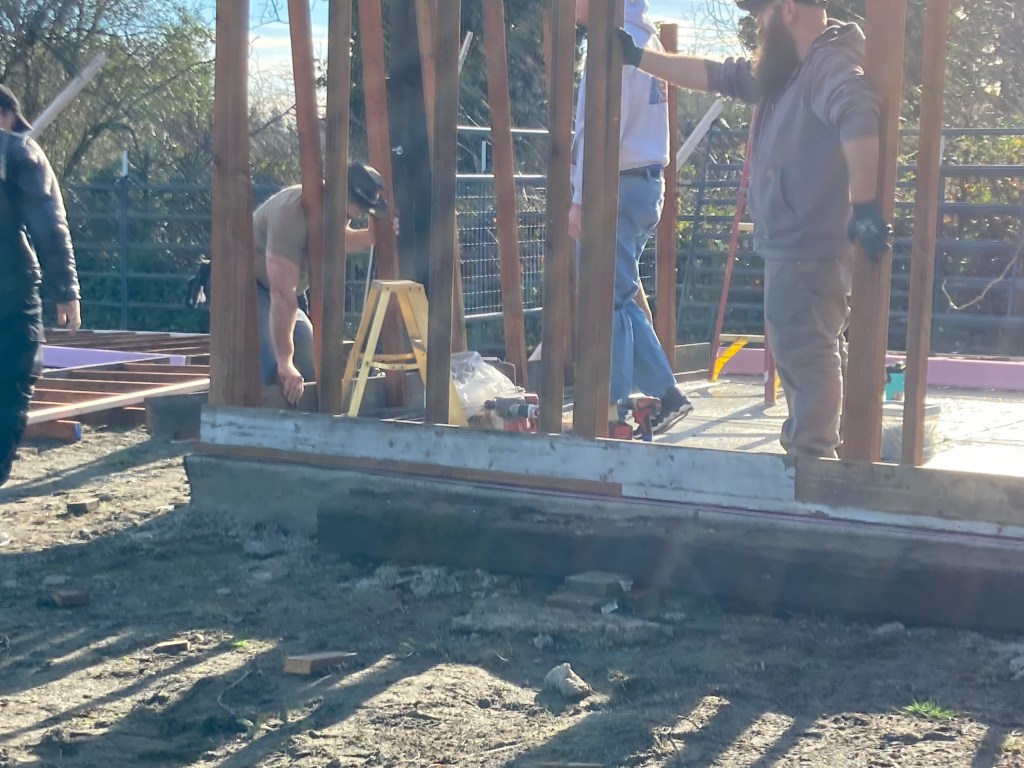
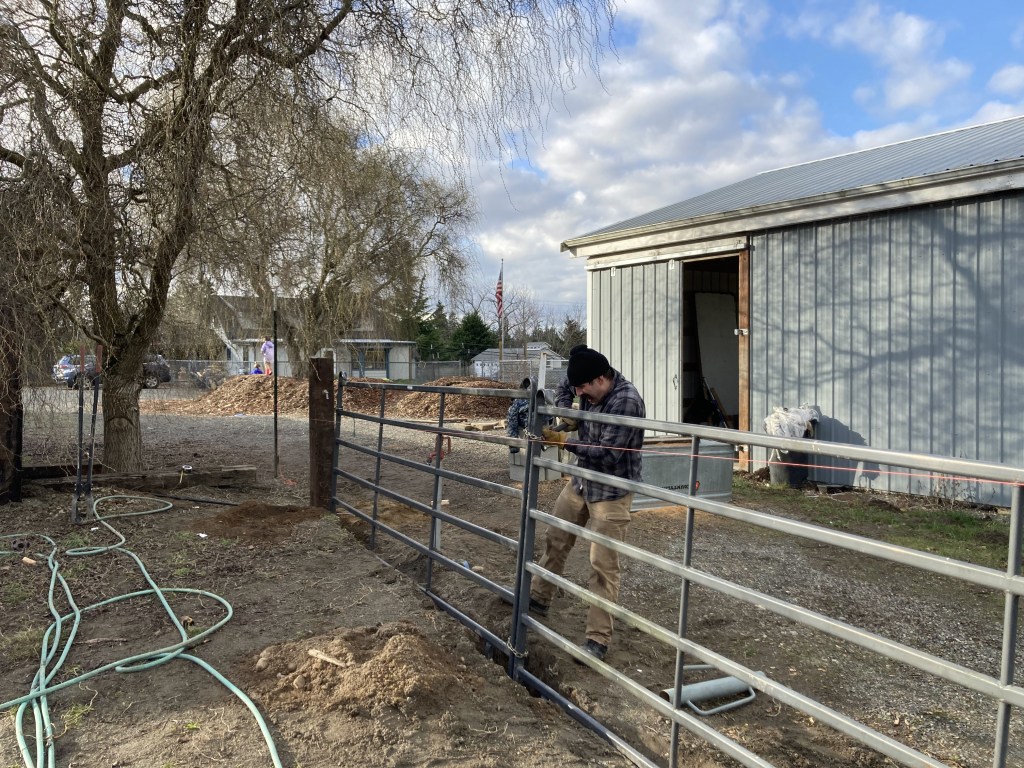
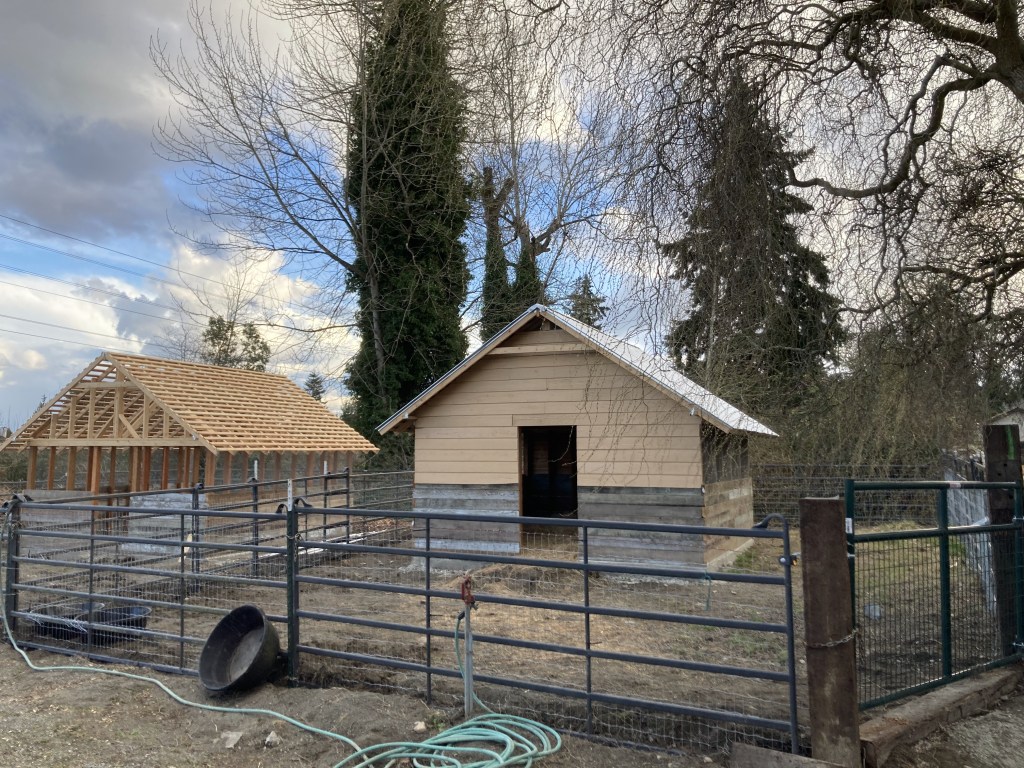
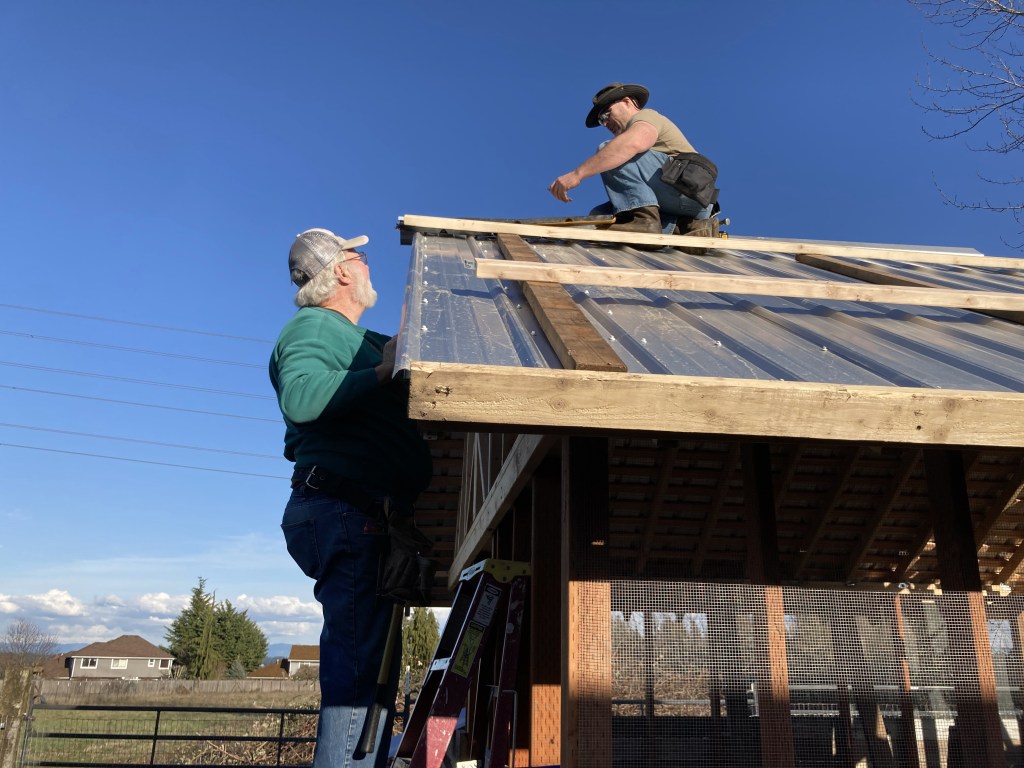
Unfortunately we had to finish the pig house (on the right) first because we had piglets coming that couldn’t wait, so the chicken house (left) got pushed back a ways. But in the end, after about 2 1/2 months of working weekends and evenings, we got both finished, and finally, late one Saturday night, Adam and Ryan carried the brooder with the new flock over to the chicken yard and tossed them all in.

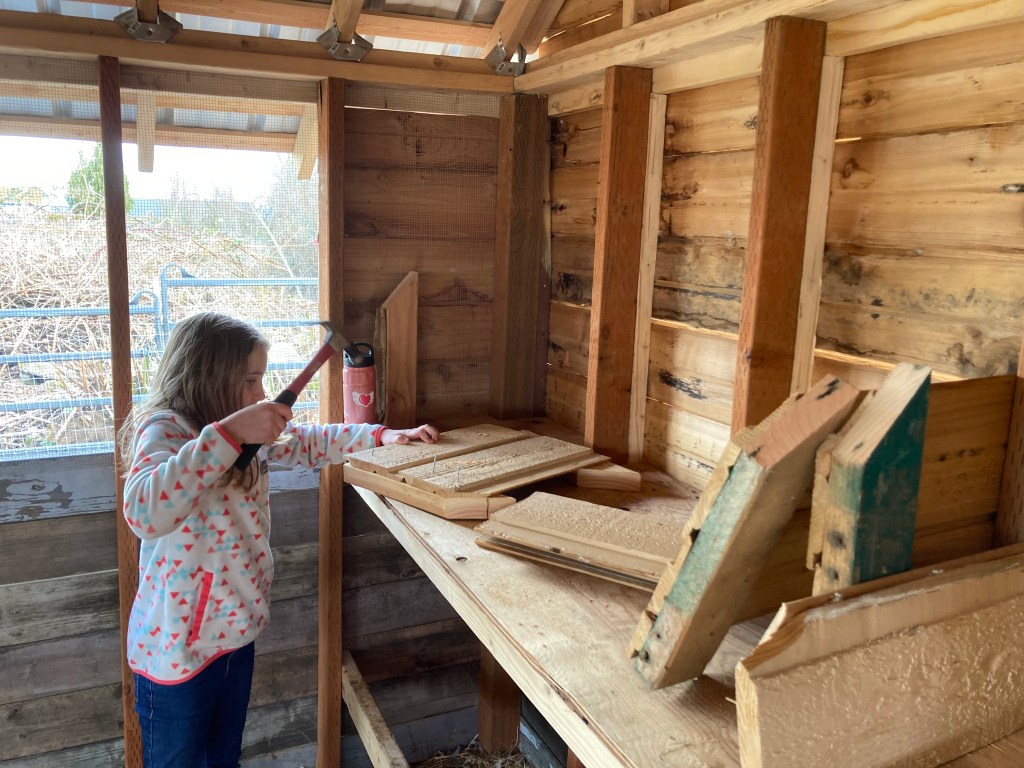
Then it was time to build laying boxes. Originally we were just going to put milk crates on a shelf and call it good, but Evie insisted that this didn’t look “Homesteady” enough. “Laura Ingalls didn’t have milk crates!” she helpfully reminded us.
So we took an afternoon and built some laying boxes.
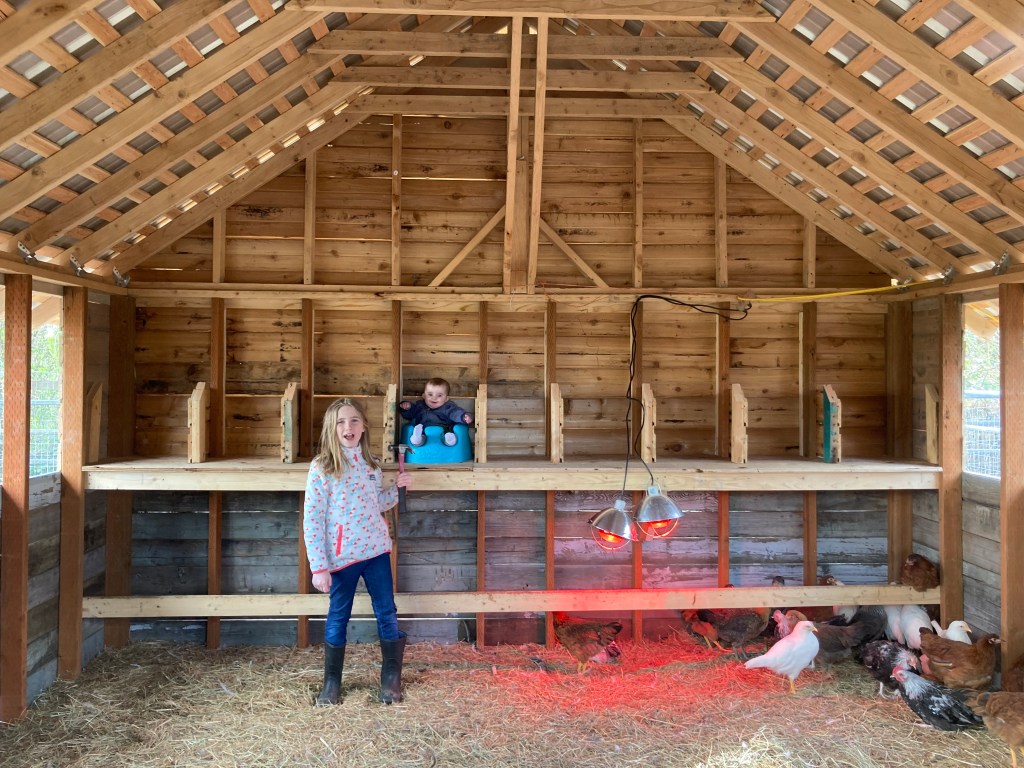
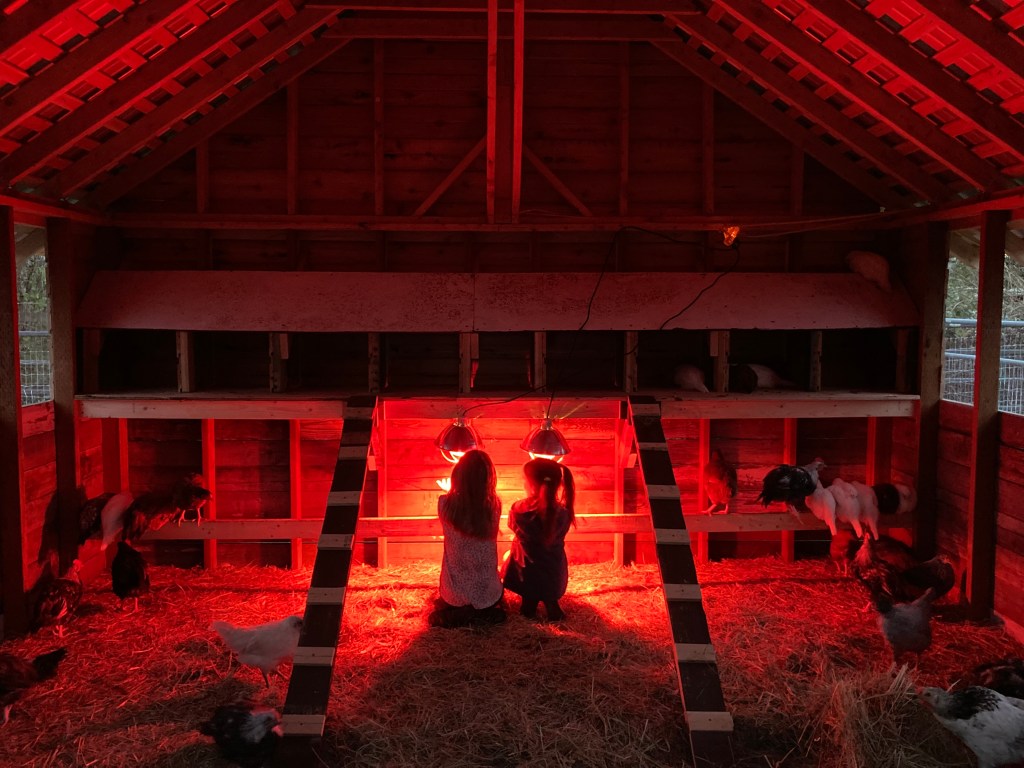
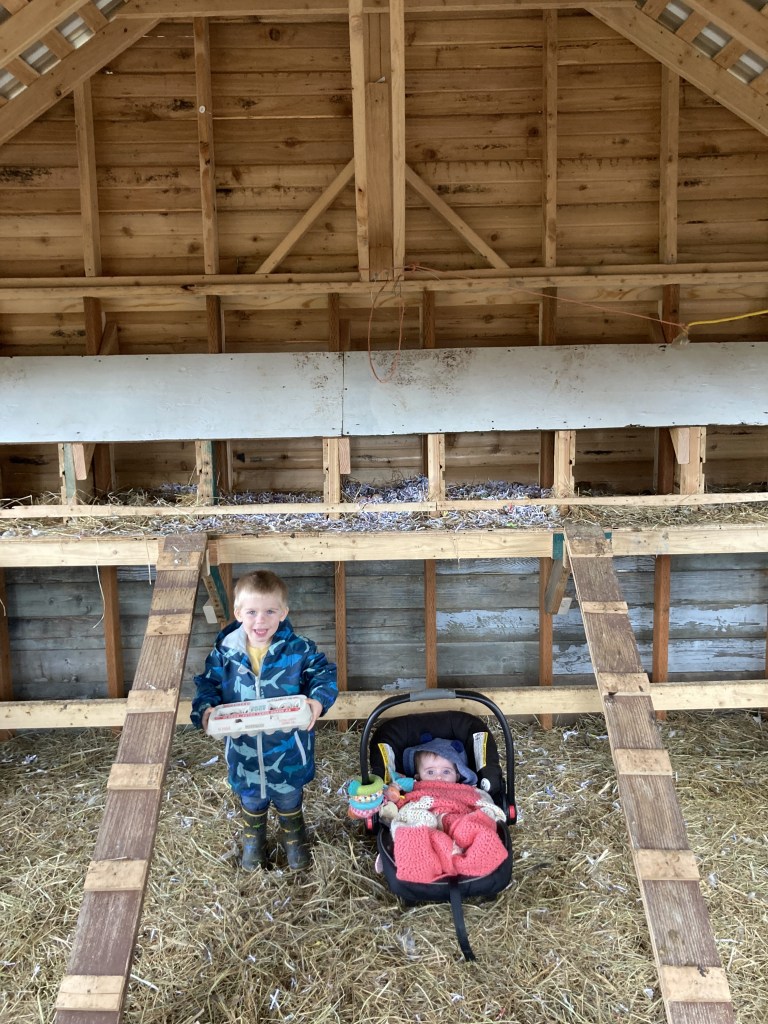
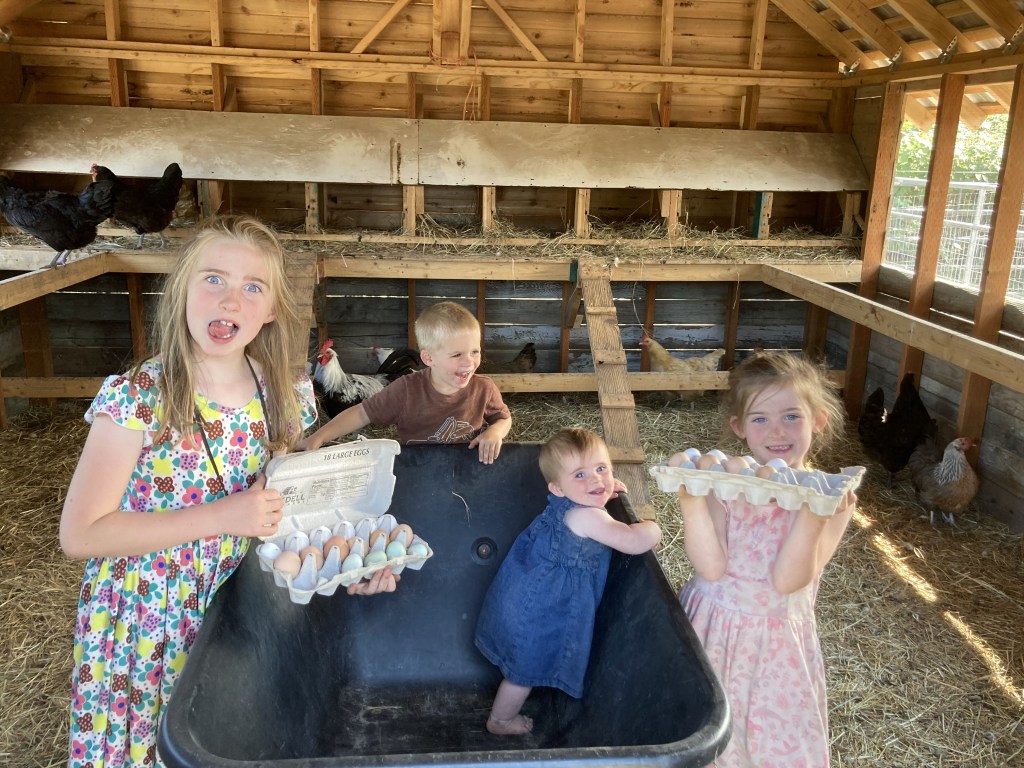
And there they have lived ever since. We now let them out into the pasture daily, although we lost a few to coyotes when the grass got too tall before we were able to cut it.
Our most recent chicken related venture has been the purchase of a flock of Cornish X that we plan on raising and butchering some time in late September 2023.
Check below for blog posts about chickens!
Saturdays and Soups
Nothing goes better with late winter weather than soup and fresh bread. Especially when you have been Rosary ruck marching. Like a man. Saturday was a divide and conquer day. After First Saturday Mass, Mommy and the older girls went shopping for one set of necessities (mostly fabric), while Daddy and the little two went…

Culling the Flock
Last Monday we culled the roosters and drakes. This really should have been done at the start of Autumn, but, hey, we get to it when we can. Roosters and drakes eat feed, but they do not lay eggs. Therefore they are an economic drain instead of a resource. We really only need two roosters…
Wheelbarrow PT
Sometimes you have to choose between farm work and training. Or do you? This week I have been doing “wheelbarrow PT” in the mornings. We are running out of time to plant our winter garden this year. Some of the crops with longer days to maturity (DTM) need to be well established and growing by…
 Little Farm in the Big City