

Lots of people (myself included) watch homesteaders on Youtube, and that show about early Victorian farms, and read John Seymour’s “Self-Sufficient Life” and get all fired up about living the more simple life.
Some even buy or rent or borrow some land and make a start at homesteading.
But there is a dark side of that “simpler life” that no one talks about.

It’s before sunrise.
Get it? The dark side? Because the sun isn’t up yet!!!
😀

I find that people are pretty neatly divided into three camps about the necessary manual labor of farming, gardening and homesteading.
- Heck no!
- If I have to.
- Heck yes!
It’s kind of like when I was on active duty, people were pretty neatly divided into three groups about the physical training, and it was the same three camps. The people who go into special forces are almost exclusively in camp 3. That doesn’t mean we don’t go through times where the very sight of a fully loaded rucksack makes us want to puke, or that we absolutely love every single aspect of being a team guy (static line jumps, for instance) but generally speaking, people aren’t going into that line of work, and certainly don’t succeed at it unless they have an appetite for the work.

Well, the shovel is to farming what the rucksack is to Special Forces. It is a tool of the trade, but not a sexy one. Everyone wants to get to the part where we do the thing, nobody wants to waste time on getting there. So in SF, we want to skip to doing the mission, not walking 20 hours to get there. In farming we want to get right to the pasturing the animals, not digging hundreds of feet of trench, and building hundreds of feet of fence.

The rucksack is just how we get all the stuff to the party. It is grueling, boring, and painful. The shovel is how we shape the ground to accept whatever it is we want to build. It can also be grueling, boring and painful.

Unless you have helpers!

“Daddy, I tan do it! I so strong!”
With the hole dug by use of the humble shovel, we can now get to the really important and fun task…
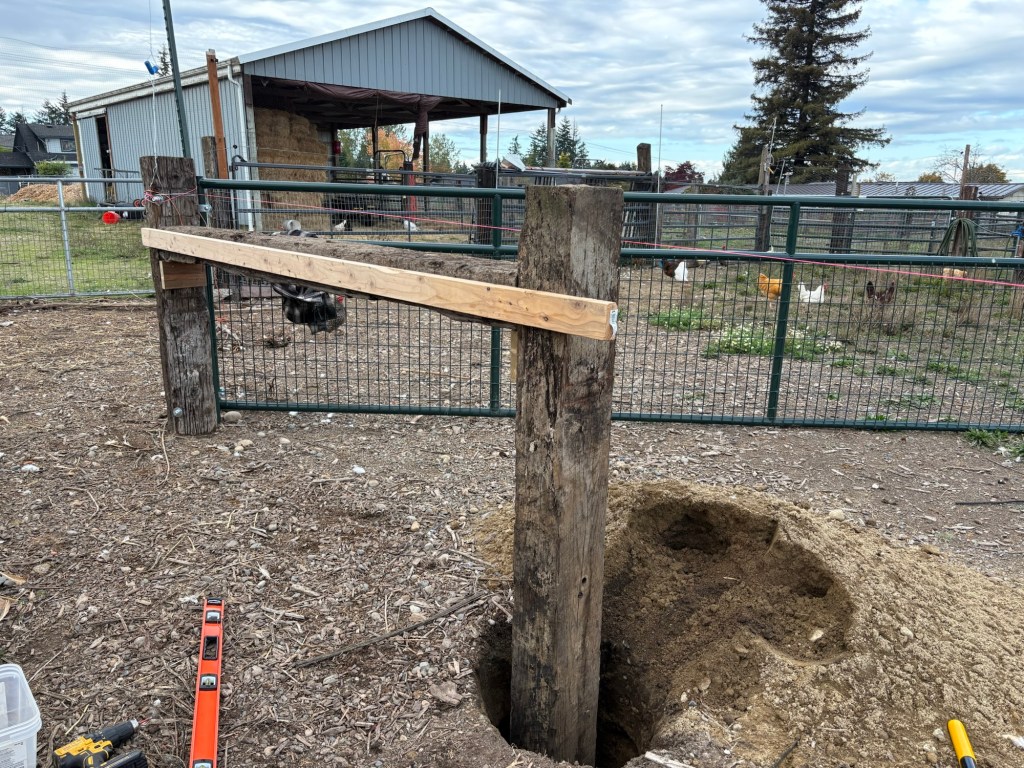
That of building the fence anchor.
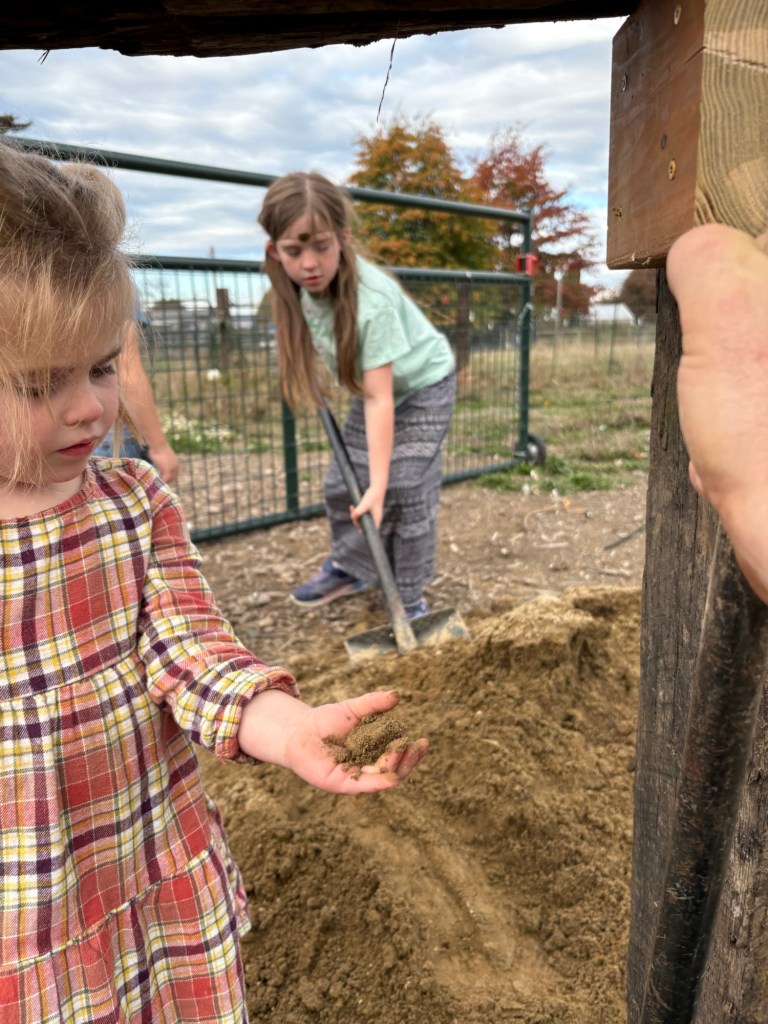
This involves leveling and plumbing, aligning and bracing, dumping and tamping. These are all fun tasks that the kids can and do join in with great gusto. More relevantly, they are quick tasks (now that I know how to do them. They were slow when I first started building fences on this farm).

It takes 20-30 minutes to assemble the fence anchor, once we have all the components together. Actually, I fumbled badly on the twitch wire, not having installed one in several months. I completely forgot which way to wrap it, cut the wire in the wrong place, tried to splice it, broke the splice, and had to throw it away and rebuild the whole thing. The kids lost interest in this process and wandered off to push each other off a pile of wood chips.

Nevertheless, there it is. Ye olde fence anchor.
Then back at it dark and early Friday morning, racing the oncoming rain.

I laugh when I think back to when we first started building fences on the farm, all the time and money we wasted renting a gas powered auger and still had to dig all the post holes by hand, because the dirt would keep falling back in every time we pulled the auger out. Or all the time and money we wasted on the gas powered trencher, and still having to dig that dang trench by hand.
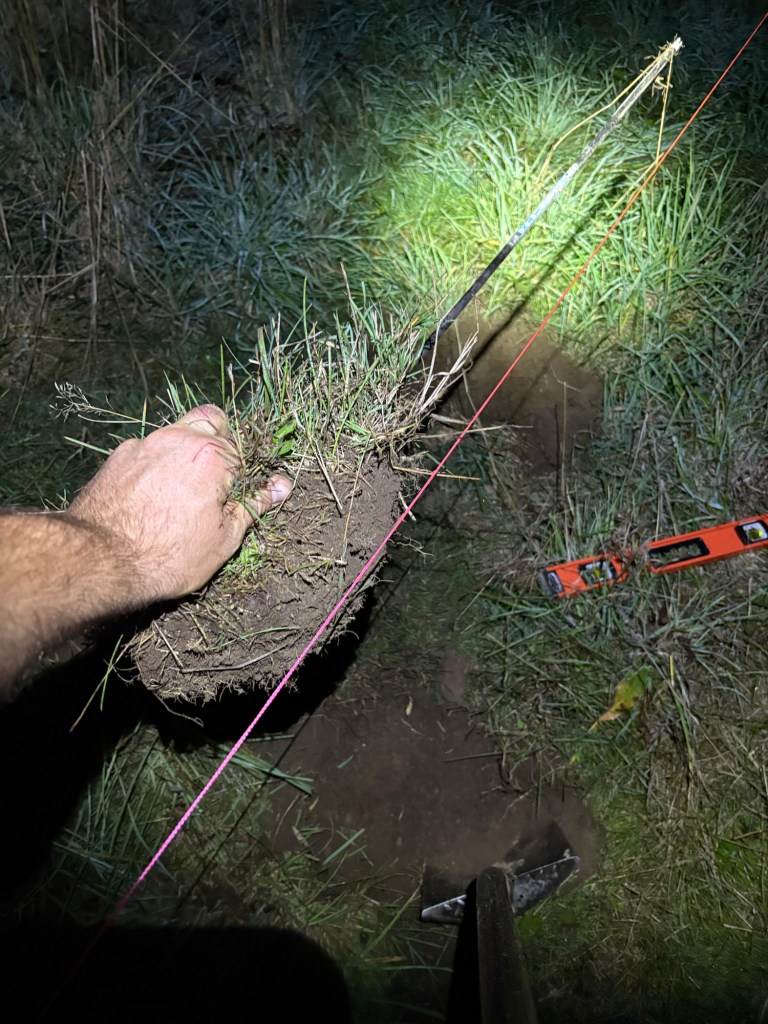
It’s like back in Selection, or the Q course. You can break your head trying to think of a shortcut, and then still have to do it the old fashioned way. Or you can just cut to the chase and do it the old fashioned way.
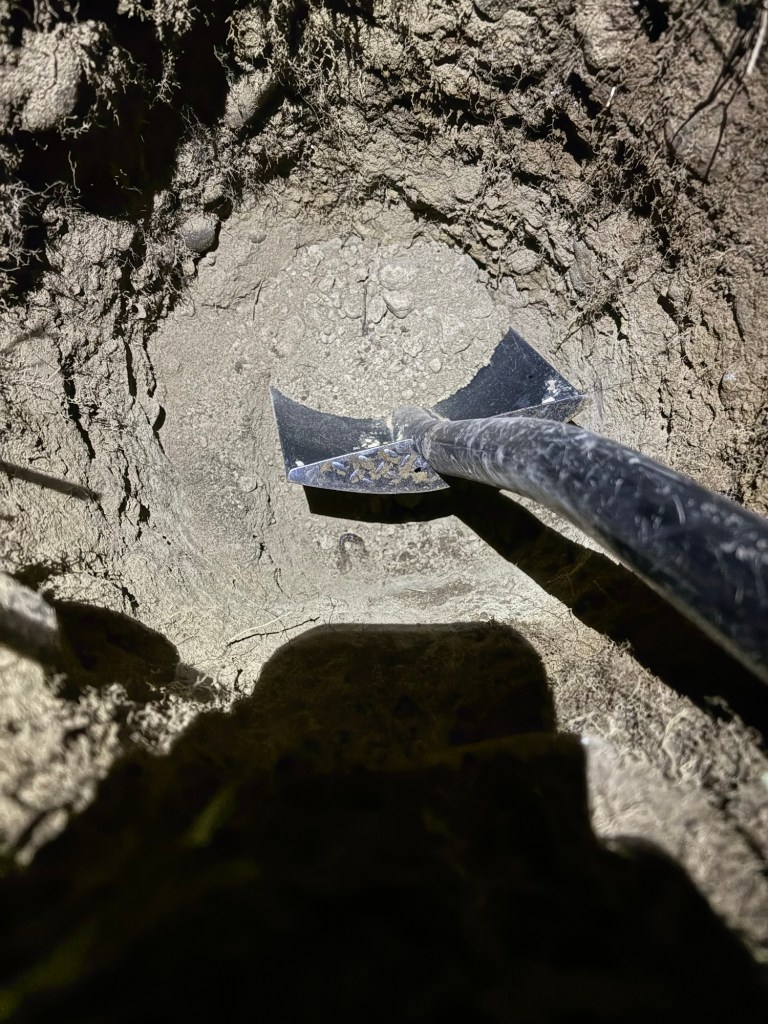
This section of the pasture, 176 feet east of the chicken gate, the roots go down about two feet and there is a tough compacted hardpan at three feet that you have to break through before you get to the sand layer.

Still, takes only about 45 minutes to dig a 4 foot deep hole with nothing but a shovel and a bar/tamper.
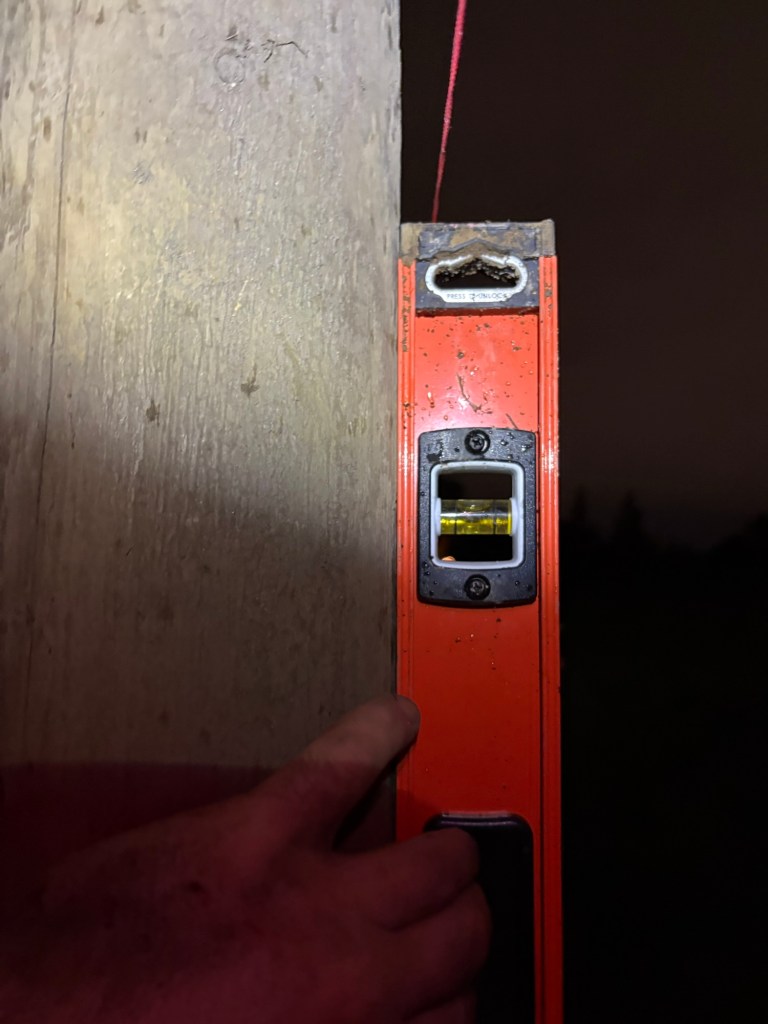
Then another 15 minutes to plumb and tamp the post.
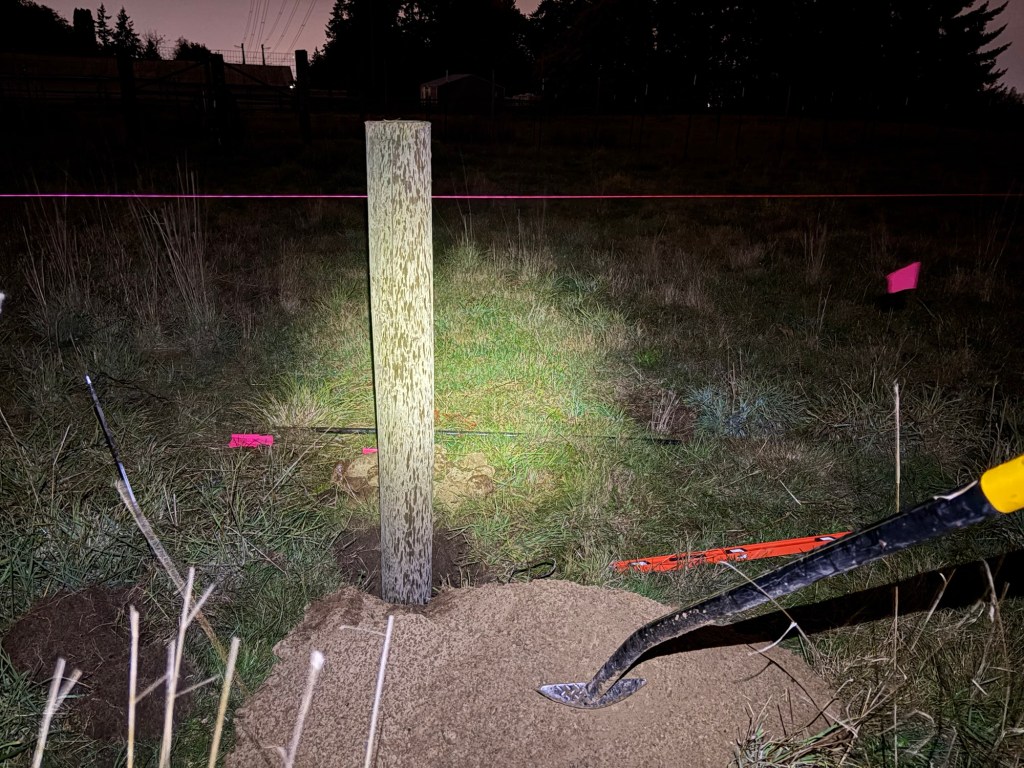
In the rain.
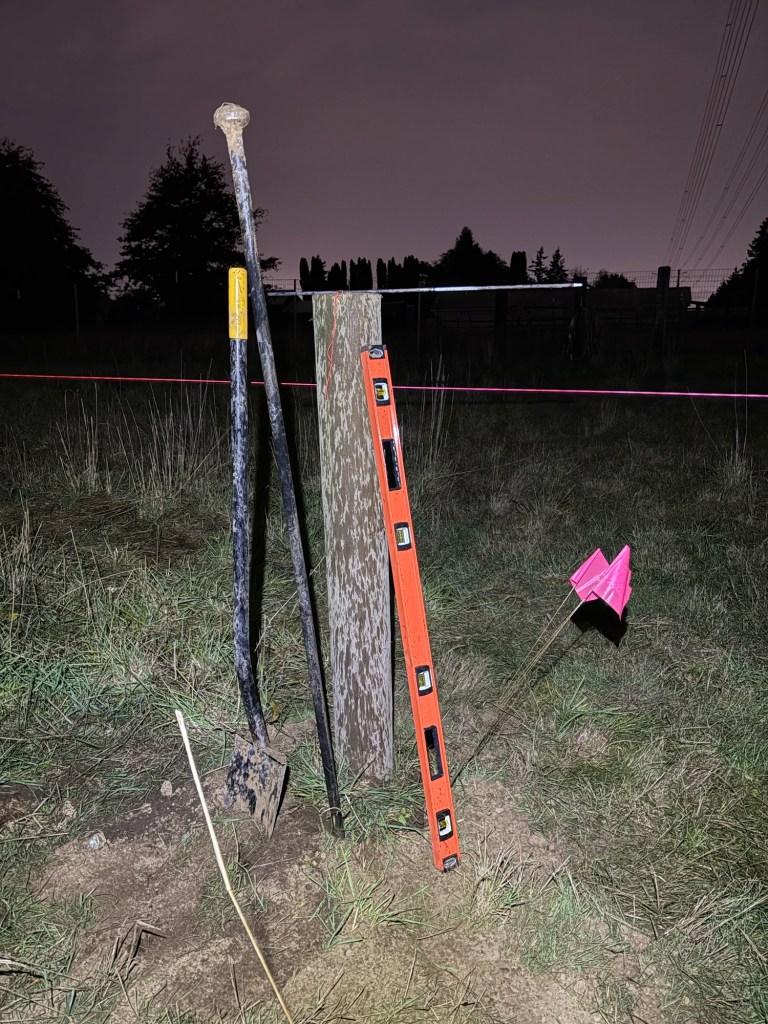
Finished before it got too bad.
Just like in Special Forces training, you have to go through the place where just the sight of a rucksack makes you sick, and keep carrying it until you get to the place where it fits you like an old pair of jeans and is as comforting as an old friend.
Same with the shovel, but easier, because manual labor does not have the hidden undercurrent of threat of violence and warfare.

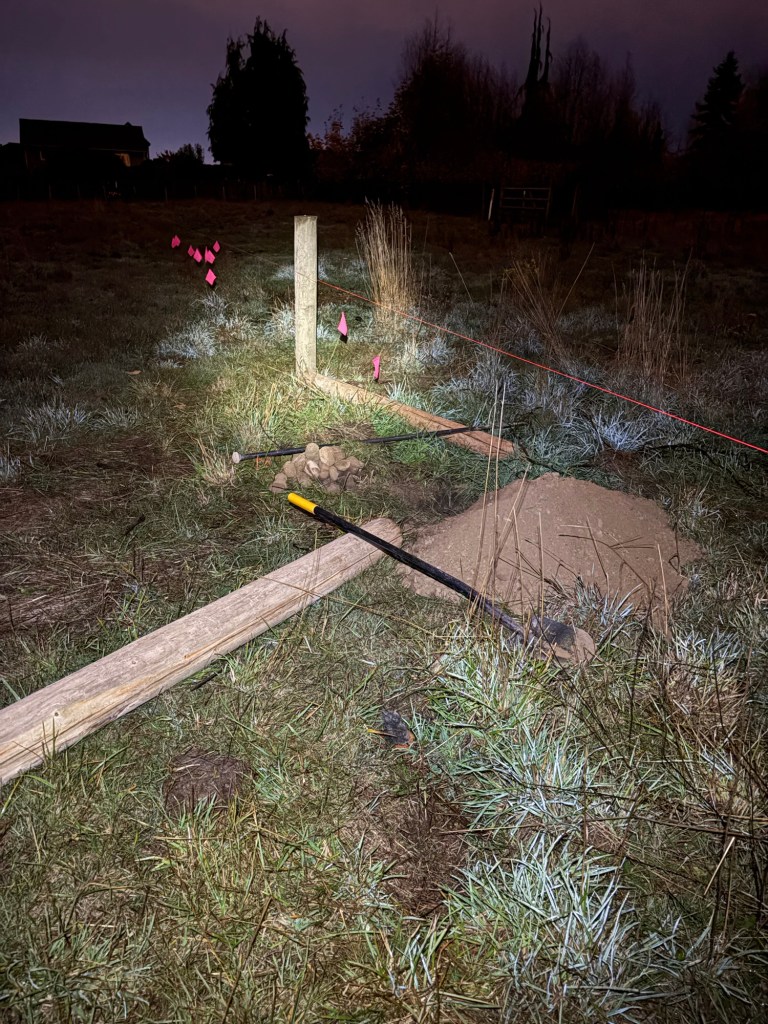
Tuesday morning, using the cross bar to verify my start point, starting the dig at 5:10.
In talking about this with men’s group, one of the beautiful things about manual labor is that it leaves the mind open for prayer. One can pray and meditate, or listen to books or music, admirably while the hands are occupied with tasks.
Once the body learns its role, it is happy to leave the mind quiet but ready.
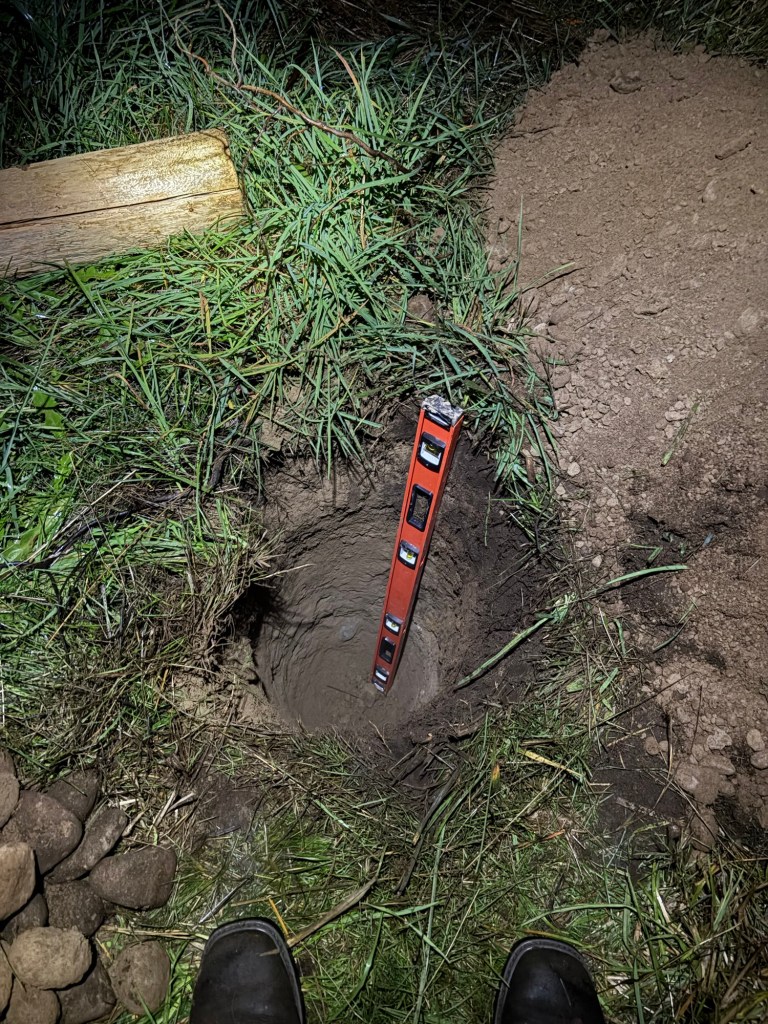
5:50, the hole is complete.
Conversely, the other great and beautiful thing about manual labor is that it can absorb all of you. All your wit and brawn and attention, all can be focused on the task at hand in a way that office work rarely calls for. In fact, the whole project of industrialism has been to reduce the amount of engagement that any worker needs to have with his work. Is it any wonder most modern work is unsatisfying?
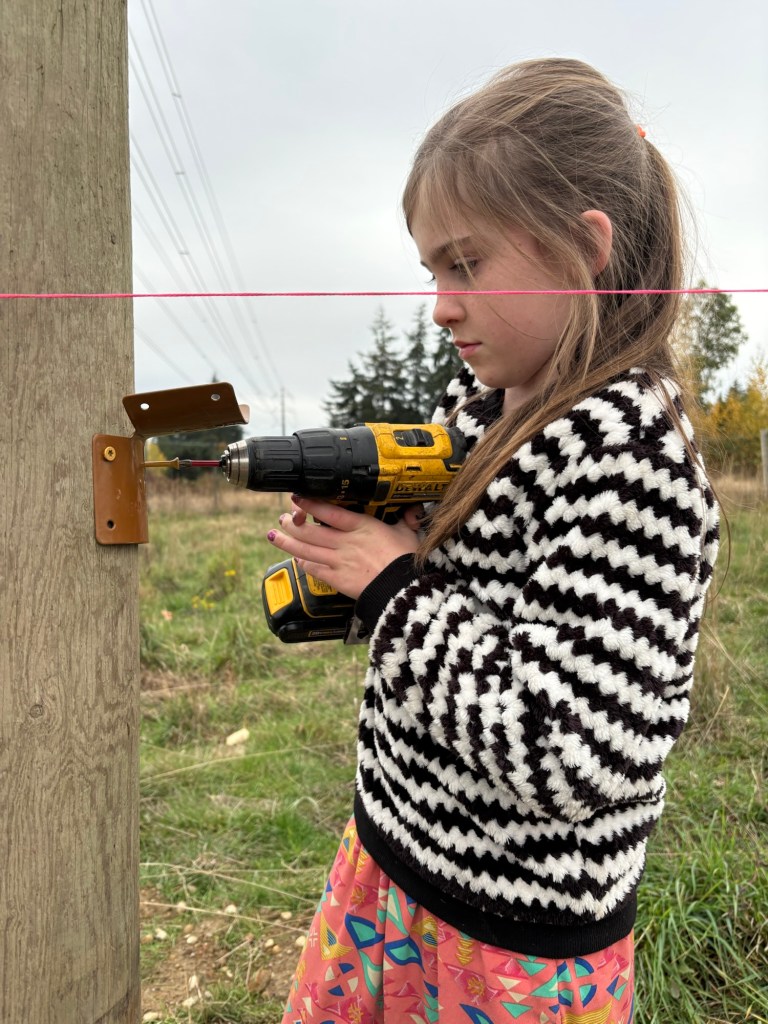
But farming or gardening or building things requires the use of all the senses to observe, the whole body to hold and shape, and the whole mind to understand, plan and execute.
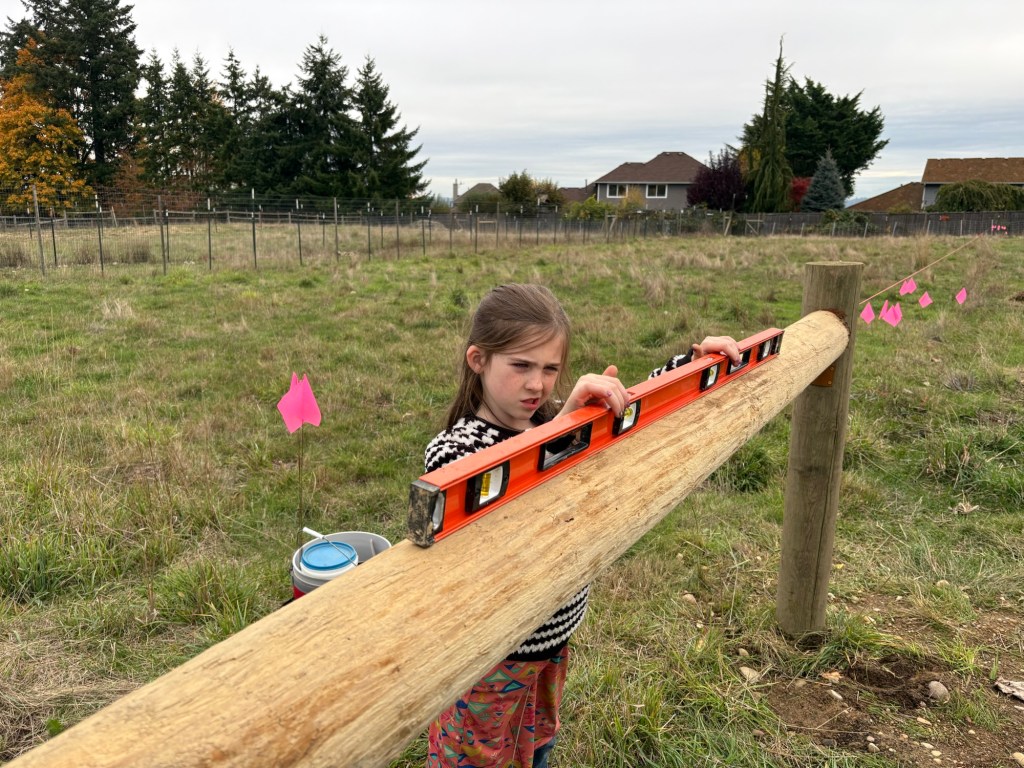
Part of the reason I loved digging up IED’s so much in Afghanistan is precisely this, that it demanded all of me, and because the demand was so high, it quieted the incessant inner chatter, and for a few minutes, my mind could be quiet, and I could be absorbed wholly in just one thing.

Farming is like that.
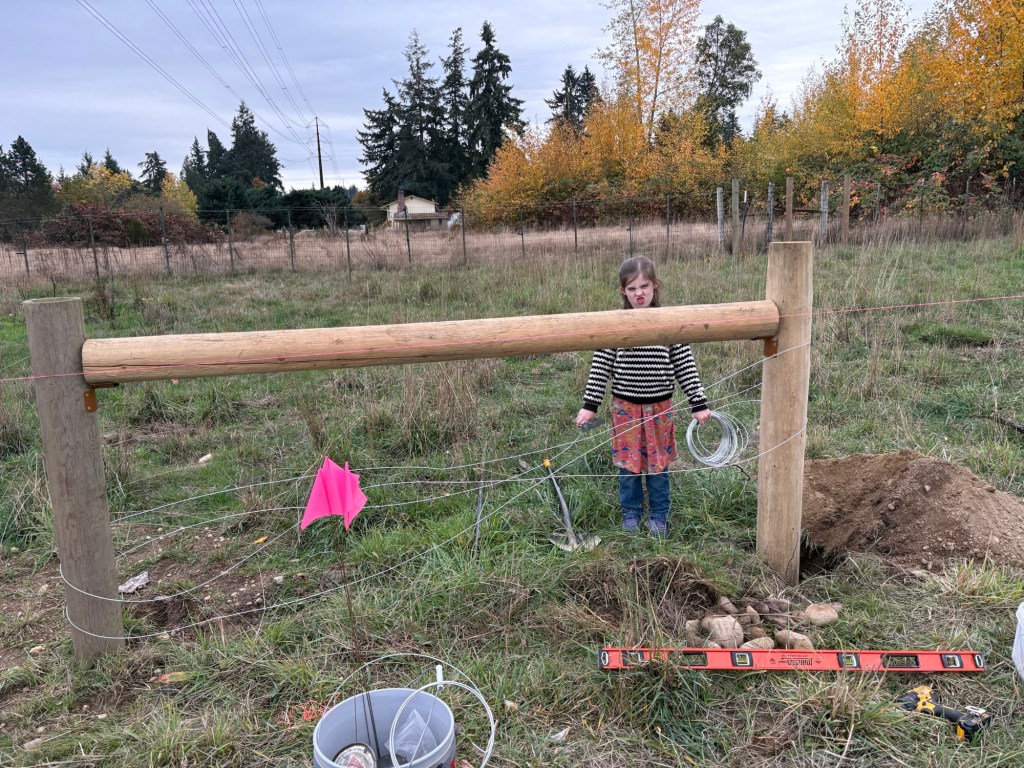
But better, because instead of trying simply to defeat something ugly, I am trying to build something beautiful.
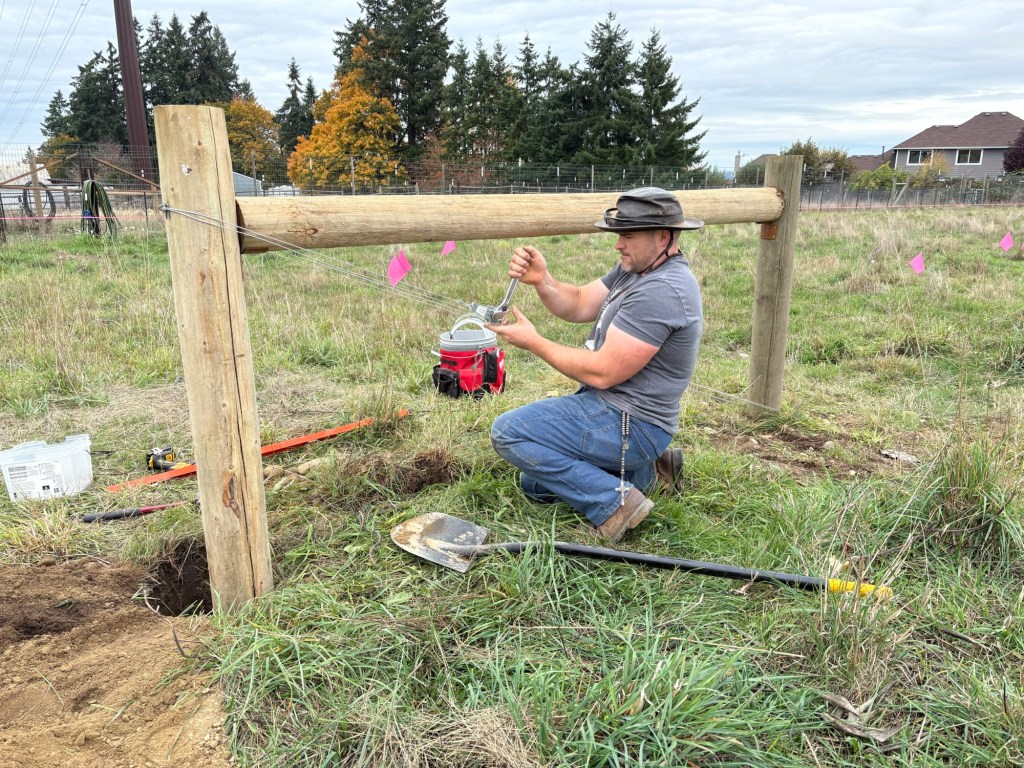
And I can share it with my favorite people.

As they take part in the way and to the extent that their brains and bodies allow, they build those brains and bodies to see the world as a good and useful and beautiful place, albeit with its own idiosyncrasies and inconveniences that must be dealt with.
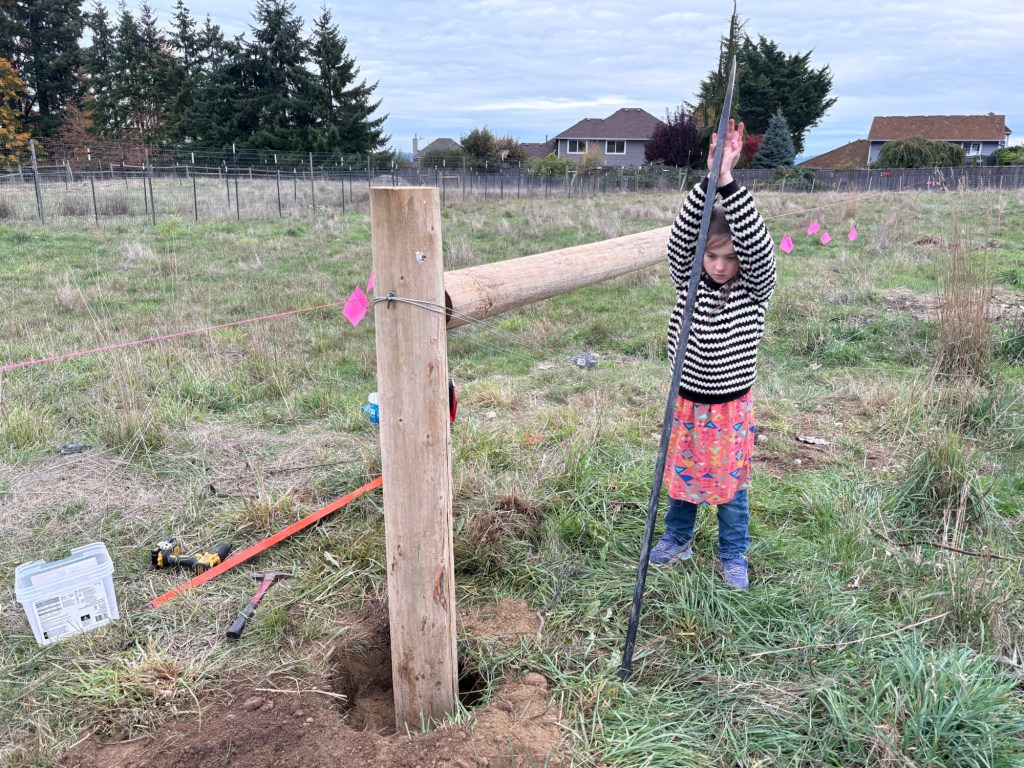
They learn by doing to work with the world as given, but to direct and shepherd it toward more of the goodness and beauty that it could have.

In a word, they learn to keep and till the garden.

And I think that is a very good thing.

 Little Farm in the Big City